
Rotorua: an honest visitor's guide
What to do in Rotorua, which Māori cultural experience to pick, where to stay, and the practical stuff (yes, the smell) no one warns you about.
Should you go?
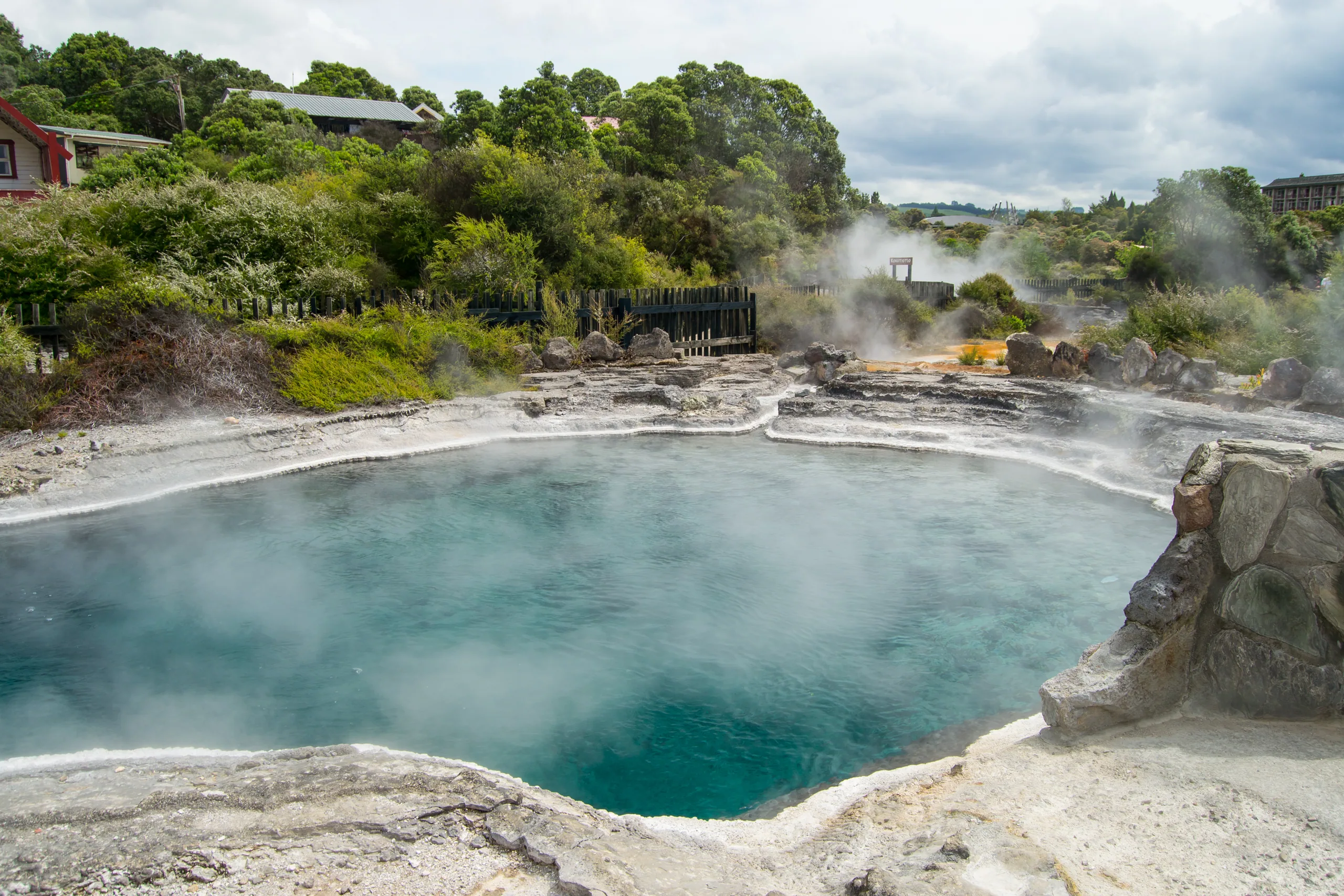
If your New Zealand trip touches the North Island for more than three days, Rotorua should be on the list. It’s the most concentrated stretch of “things you came here to see” in the country: a Pohutu Geyser eruption, a mud pool that bubbles like porridge, a Maori cultural night that’s actually run by Maori, and a luge track down a hill that ends in a lake view. All inside a 20-minute drive radius.
The honest catch: Rotorua has a tourist-town centre that, in parts of summer, can feel like a slow-motion bus queue. The lakefront strip near Fenton Street is fine but not charming. What lifts the trip is getting out of the centre quickly. Stay near the lake or in Whakarewarewa, eat where the locals eat, and pick one (good) cultural experience instead of stacking three.
The other thing nobody puts on a brochure: the smell. Rotorua sits on top of an active geothermal field, and the sulphur (rotten egg) note drifts through town depending on wind and rain. You’ll notice it for the first hour, then your brain edits it out. Some hotels back onto steaming reserves and you’ll smell it more strongly there. Not a reason to skip Rotorua. Just don’t be surprised at the airport.
Two nights is the right answer for most people. One night feels rushed. Three is right if you want mountain biking, Hobbiton, or a slower spa day.
Getting there
Rotorua sits inland in the central North Island, an easy drive from almost every major North Island base. There’s no bad way in.
From Auckland
The default approach. State Highway 1 south to Tirau, then SH5 east into Rotorua. Around 230 km, 3 hours if you don’t stop, 3.5 to 4 hours with a coffee in Tirau or Cambridge. The road is mostly motorway and dual-carriageway, with the final stretch being two-lane rural road through farmland and forest. Easy drive for first-time New Zealand drivers.
Coaches (InterCity, ManaBus) run the route in around 4 hours. Flights with Air New Zealand connect Auckland to Rotorua in 50 minutes but, with airport admin and the airport-to-town shuttle, you save maybe 30 minutes door to door versus driving. Drive.
From Wellington, Taupo and Tauranga
- Wellington to Rotorua: roughly 460 km via SH1 and SH5, 5.5 to 6 hours. Realistically a one-way day with a lunch stop in Taupo. Most people break the drive in Taupo or Napier rather than do it in one push.
- Taupo to Rotorua: 80 km, 1 hour via SH5. This is one of the most useful North Island legs. The road climbs through Wairakei geothermal valley with steam plumes drifting across the highway. It’s a scenic drive in its own right.
- Tauranga to Rotorua: 85 km, 1 hour 10 minutes via SH36 (the back road) or SH33 along the lake. Cruise-ship passengers from Tauranga regularly do Rotorua as a long day trip and it’s tight but doable.
- Hamilton to Rotorua: 110 km, 1.5 hours via SH1 and SH5. If you’re combining Hobbiton (Matamata) with Rotorua, this is the natural route.
Flying in
Rotorua Airport (ROT) sits on the east side of Lake Rotorua, about 10 minutes from the city centre. Air New Zealand operates daily flights from Auckland, Wellington and Christchurch on regional turboprops. It’s small, simple, no jetbridges. Worth it if you’re tight on time and skipping the rest of the North Island drive. Otherwise, drive in. Rotorua is part of the North Island road trip experience, not a fly-in destination.
Top things to do
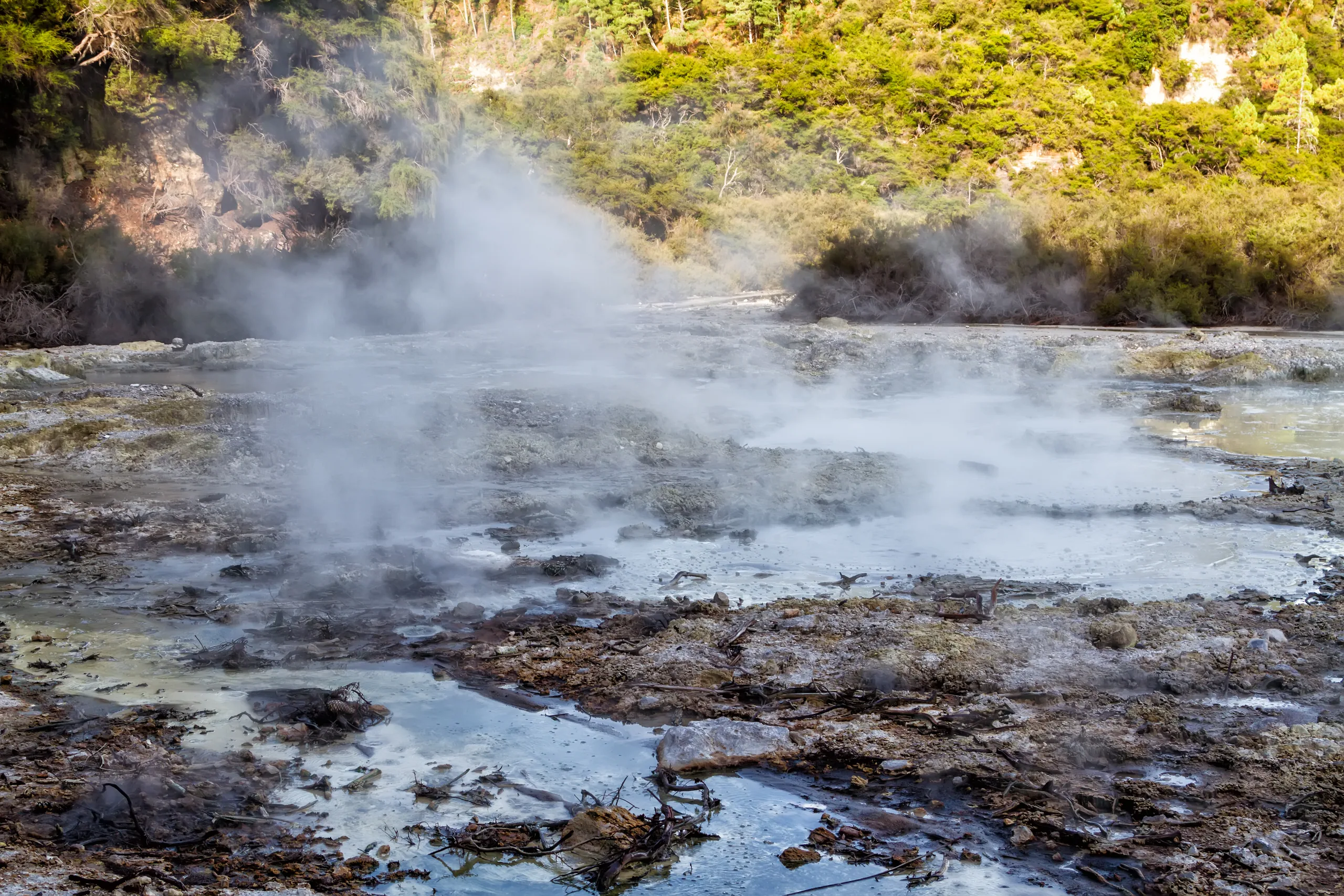
Three categories: geothermal parks, Maori cultural experiences, and active stuff (luge, biking, forests). A good two-day plan covers one of each per day.
Te Puia and Whakarewarewa (Maori culture + geysers)
Te Puia is the headline geothermal site inside the city, home to Pohutu Geyser (the largest active geyser in the southern hemisphere), the New Zealand Māori Arts and Crafts Institute, and a kiwi conservation centre. You can do it as a day visit (with a guided tour through the carving and weaving schools) or as an evening cultural experience with a hangi and concert. The day visit is the better introduction. Daytime entry generally starts around NZD $60 per adult for geothermal valley and cultural centre access, with higher-priced packages including guided tours and performances (check the official site for current rates). Geyser eruptions happen roughly once or twice an hour and you’ll usually see at least one in a 90-minute visit.
Right next door, Whakarewarewa: The Living Māori Village is a residential Māori village built on the geothermal field. Locals still cook in the steam vents and bathe in the hot pools. The guided village tour is a genuinely different experience: less polished than Te Puia, more lived-in, and you’re walking through people’s front yards. Pick one of the two for a half-day. If you want a “Disney for geothermal” feel, Te Puia. If you want quieter and more authentic, Whaka village.
Wai-O-Tapu thermal wonderland
Wai-O-Tapu is 30 minutes south of Rotorua on SH5 and it’s the most photogenic geothermal park in the country. The Champagne Pool is a 65 metre wide carbonated hot spring lined in bright orange and yellow mineral edges. The Devil’s Bath is a fluorescent green pool that looks like a chemistry accident. Lady Knox Geyser erupts daily at 10:15am (it’s induced with soap, which is a slightly awkward fact they openly explain).
Allow 2 to 3 hours including the geyser. Adult entry is from around NZD $45 per adult (2025 indicative pricing, check the official site for current rates). Go early to beat the tour buses, or late afternoon for warmer light on the silica terraces.
Polynesian Spa and Hells Gate
Polynesian Spa sits on Lake Rotorua’s southern shore and has been operating since 1882. The setup is a tier of mineral hot pools at different temperatures, with the lake as the view. The Deluxe Lake Spa (adults-only) is worth the upgrade. Family pools and a private pool option exist if you’re not in the mood for the public deck. Adult entry typically ranges from about NZD $35 for standard pools to NZD $80+ for the Deluxe Lake Spa or private experiences, depending on the pool complex and package (check the official site for current rates).
Hells Gate is the alternative, 15 minutes east of town toward Tauranga. More dramatic: boiling mud pools, a sulphur waterfall, and a mud bath / sulphur spa combo. Hotter and more “adventure” feeling than Polynesian. Hells Gate is also owned and operated by local iwi (Ngāti Rangiteaorere) and that comes through in the storytelling. Allow from around NZD $50 for the geothermal walk up to around NZD $120 per adult for the full mud bath and sulphur spa combo (check the official site for current rates). If you want a spa with a view, Polynesian. If you want to roll around in geothermal mud, Hells Gate.
Skyline luge and the Redwoods
Skyline Rotorua is a gondola up Mount Ngongotaha with a luge track down. The luge is not a winter sport here, it’s a wheeled gravity cart on a sealed track, with three difficulty levels. It’s the most kid-friendly attraction in town and adults love it more than they admit. Expect to pay from around NZD $45 to $50 for a gondola-only pass, and around NZD $70 to $80 per adult for popular gondola + multi-luge ride combos (pricing varies with the number of luge rides and seasonal specials, check the official site for current rates). Allow 2 to 3 hours. Buy a multi-luge pack rather than a single ride.
The Redwoods (Whakarewarewa Forest) is a 5,600-hectare forest of California redwoods planted in the early 1900s. Free to walk. The Redwoods Treewalk is a 700-metre suspended path between the trees, optionally lit at night with David Trubridge lamps. Daytime is free walking. Daytime Treewalk tickets are around NZD $35 per adult and the Nightlights Treewalk is around NZD $45 per adult (check the official site for current rates). Do the night walk if you have the budget. The Redwoods is also one of New Zealand’s best mountain bike parks, with 130+ km of single track from beginner to expert. Mountain Bike Rotorua rents bikes and runs shuttles.
Hobbiton (a 1 hour drive away)
If you’ve watched Lord of the Rings even once, you should go. Hobbiton Movie Set sits on a working sheep farm outside Matamata, an hour west of Rotorua. The set is still maintained as it was for the films, with 44 hobbit holes, the Green Dragon Inn (you get a drink), and the Party Tree. Tours are guided only. Book direct via Hobbiton Movie Set Tours. Hobbiton entry direct from Matamata is from around NZD $120 per adult, while Rotorua to Hobbiton day tours including return transport typically run around NZD $170 to $220 per adult depending on inclusions. Most tours depart Rotorua in the morning and take around 6 to 8 hours return.
If you’re driving Rotorua to Auckland, you can hit Hobbiton on the way and it adds maybe 30 minutes to the route. That’s the efficient play. Pair with Waitomo Glowworm Caves for the classic two-stop North Island day.
Maori cultural experiences (which to pick)
Three established evening operators in Rotorua, plus Te Puia’s evening option. They all combine a powhiri (welcome), a cultural performance (haka, poi, waiata), and a hangi (food cooked in earth ovens). The differences are real.
Te Pa Tu (formerly Tamaki Maori Village)
The most theatrical of the three. Set in a recreated pre-European village in a forest 15 minutes south of town. Tours run a multi-stop walking format through different cultural learnings before the performance and dinner. Higher production value, English-language commentary throughout. From around NZD $185 per adult, with premium feast tiers running higher (check the official site for current rates). The pick if it’s your first Maori cultural experience and you want maximum context.
Mitai Maori Village
Smaller, more intimate, runs in a single venue with a sacred stream where waka (war canoe) glides past as part of the performance. The hangi is lifted from the earth oven in front of you, which is the visual moment most guests remember. Typically around NZD $155 per adult, including performance, hangi dinner and return transport from Rotorua in most packages (check the official site for current rates). The pick for couples and small groups who want less moving around and more sit-down depth.
Te Puia evening (Te Po)
Te Puia is the only operator that combines the cultural experience with a guided night-time visit to the geothermal valley and Pohutu Geyser. You’ll see the geyser erupt under flood lights. Cultural performance and hangi are excellent but slightly shorter than Mitai or Te Pa Tu. From around NZD $145 per adult, including performance, dinner and geyser viewing by night (check the official site for current rates). The pick if you only have one evening in Rotorua and want geothermal + cultural in one ticket.
Honest take: any of the three is worth your time. Don’t book two. Pick one, go in early, and stay for the full evening (most include hotel pickup and drop-off).
Where to stay
Rotorua’s accommodation splits roughly four ways: central city near the lakefront, Whakarewarewa side (south end), Lake Tarawera and the Blue Lake (eastern lakes, quieter), and the airport / Holdens Bay strip (north shore).
Budget
- YHA Rotorua / Crash Palace in the city centre. Backpacker pricing, walkable to the lake and most restaurants. From around NZD $35 dorm / $100 private (check the official site for current rates).
- Rotorua Top 10 Holiday Park for campervans and cabins. Has a geothermal hot pool on site, which is the kind of detail you only get in Rotorua.
Mid
- Regent of Rotorua is a renovated motel-converted-into-boutique. Heated pool, modern rooms, central. Strong value at around NZD $200 to $260 per night (check the official site for current rates).
- Pullman Rotorua in the city centre. Reliable international-standard hotel with mineral pools.
- Holiday Inn Rotorua near the airport. Convenience pick if you’re flying in or driving through.
Luxury
- Solitaire Lodge on Lake Tarawera, 25 minutes east of town. All-suite lodge with one of the most photographed lake views in the country. Splurge tier.
- Treetops Lodge in the bush south of town. Luxury wilderness lodge with on-property hunting, fishing, and guided forest experiences. The “remote luxury” pick.
- Hamurana Lodge on the north shore of Lake Rotorua. Boutique luxury with a working spring on site.
If it’s your first time in Rotorua, stay either in the city centre (walkable to dinner) or out by the lake (quieter, no sulphur smell at night). Skip the highway-strip motels unless you’re truly just sleeping between drives.
When to go
Rotorua is a true year-round destination. Unlike most of New Zealand, the geothermal attractions are weather-proof and the temperature differential between seasons is less dramatic than you’d expect.
Tourism New Zealand and Bay of Plenty visitor data consistently flag late December through mid-February as the peak window for the region, with school holidays driving accommodation pressure and cultural-evening waitlists. Most visitors also report adjusting to the sulphur smell within the first day or two, so the first afternoon is when you’ll notice it most.
December to February (summer): warmest weather (22 to 26°C), longest days, busiest crowds, highest accommodation rates. Book Hobbiton, Te Pa Tu, and Mitai weeks ahead. Lake swimming is genuinely good in summer. Mountain biking trails dry and fast.
March to May (autumn): shoulder season, often the best time to visit. Trees turn through the Redwoods, crowds thin out, accommodation prices drop, and temperatures stay mild (15 to 22°C). Mountain biking is excellent. This is the locals’ favourite window.
June to August (winter): cold mornings (single digits, sometimes frost) but mid-afternoon warms up to 12 to 14°C. The geothermal parks are at their most photogenic with cold air making the steam plumes huge. Hot pools become genuinely magical at 8°C ambient temperatures. Cheaper. Quieter.
September to November (spring): variable. Can be brilliant or grim. Lots of rain potential. Trails muddy. Cherry blossoms in Government Gardens late October.
On the smell
The sulphur smell is constant but its intensity is weather-driven. High pressure (calm, clear days) traps the gas low to the ground and you’ll smell it most. Wind and rain clear it. Mornings are usually stronger than evenings. If you’re staying in town and your nose is sensitive, pick a hotel on the north or eastern lake shore, not central Fenton Street or Kuirau Park edge. Most visitors say they noticed it on arrival and forgot about it by lunch.
Skip this if…
A few honest reasons Rotorua might not be for you:
- You have respiratory conditions and sulphur compounds aggravate them. Talk to your doctor and consider Taupo as an alternative (similar geothermal access, less concentrated in town).
- You’ve already done Yellowstone, Iceland, or Beppu and you’re not specifically here for the Maori cultural side. The geothermal landscapes are great but not unique on a global scale. The cultural experience is what makes Rotorua singular.
- You’re on a 5-day NZ trip and trying to also fit Queenstown and Milford Sound. You’ll be too tired to enjoy any of it. Cut Rotorua, do it on a return trip.
- You hate organised cultural performances. The Maori evenings involve audience participation. If you’ll cringe through it, skip and book a private cultural guide or a quieter daytime Whakarewarewa village tour instead.
The practical stuff nobody mentions
A short list of things that will save your day or your dinner reservation:
- Book the cultural evening on day one of your stay, not day two. If your first one weather-cancels or you don’t love it, you have a backup night. Most operators offer hotel pickup, so you don’t need to drive after a meal that includes wine.
- Lady Knox Geyser at Wai-O-Tapu is induced with soap. They tell you openly. It’s still impressive but don’t expect a natural eruption. Plan to be there by 9:45am for the 10:15am start.
- The Polynesian Spa is open until 11pm. Going late is the move: smaller crowds, lake darkness, stars above. Bring a towel from your hotel.
- The Redwoods is free to walk during the day. You don’t need a Treewalk ticket to enjoy the forest. The Treewalk is a separate paid experience on suspended bridges, and the lit night walk is the better version of it.
- Mountain bike park shuttles run from Waipa carpark. If you’ve never ridden NZ-style enduro single track, take a lesson with Mountain Bike Rotorua first. The trails are well-graded but the grade-3 trails are spicier than typical international trail standards.
- The Eat Streat strip on Tutanekai Street is the obvious dinner area. It’s covered, heated, and walkable. For something quieter, Atticus Finch, Sabroso (Latin), or Capers Cafe are local favourites.
- Rotorua tap water tastes faintly geothermal. It’s safe and meets standards. Some visitors prefer bottled for the first day.
If your trip touches the North Island, do this. Pick one geothermal park, one cultural evening, one spa, and one active thing. Stay two nights, sleep by the lake, and let yourself stop noticing the smell. Combine with Taupo, the Tongariro Crossing, and the 10-day NZ itinerary for the wider North Island plan.
Top things to do in Rotorua: an honest visitor's guide
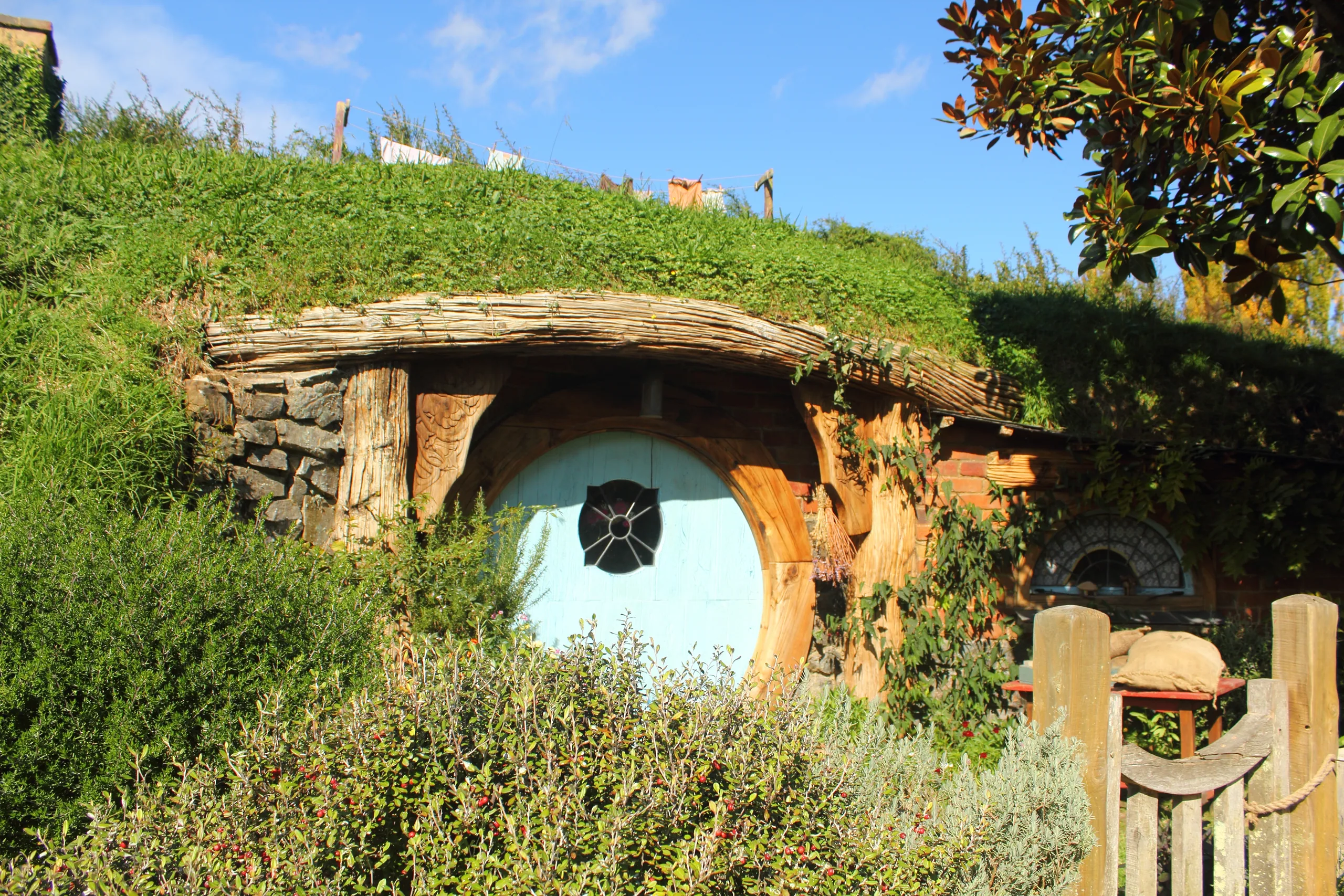 2h on-set tour; 3 to 4h including arrival and Shire's Rest
 Hobbiton Movie Set: visiting the Shire
An overview of visiting Hobbiton Movie Set at Matamata, including the tour options and how to get there from Auckland, Rotorua or Tauranga.
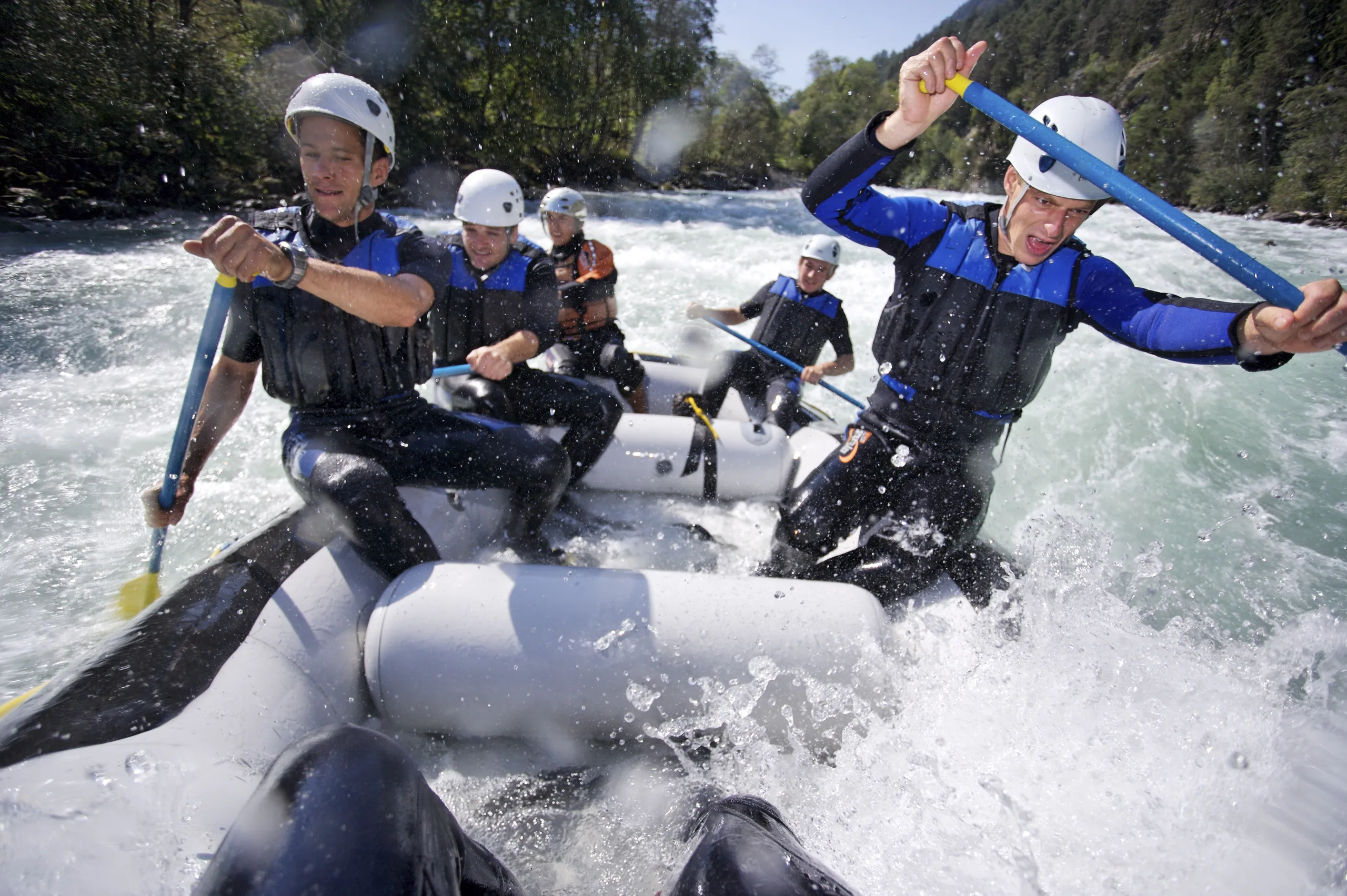 45 minutes (classic boat tour) to 5 hours (black water rafting)
 Waitomo Glowworm Caves: an honest visitor's guide
Which Waitomo tour is actually worth it. Classic boat tour vs Ruakuri vs black water rafting, plus how to get there from Auckland or Rotorua.