
Aoraki Mt Cook: an honest visitor's guide
What to do at Aoraki Mt Cook National Park: the free walk that beats paid tours, when a scenic flight is worth it, and why to stay overnight.
Should you go?
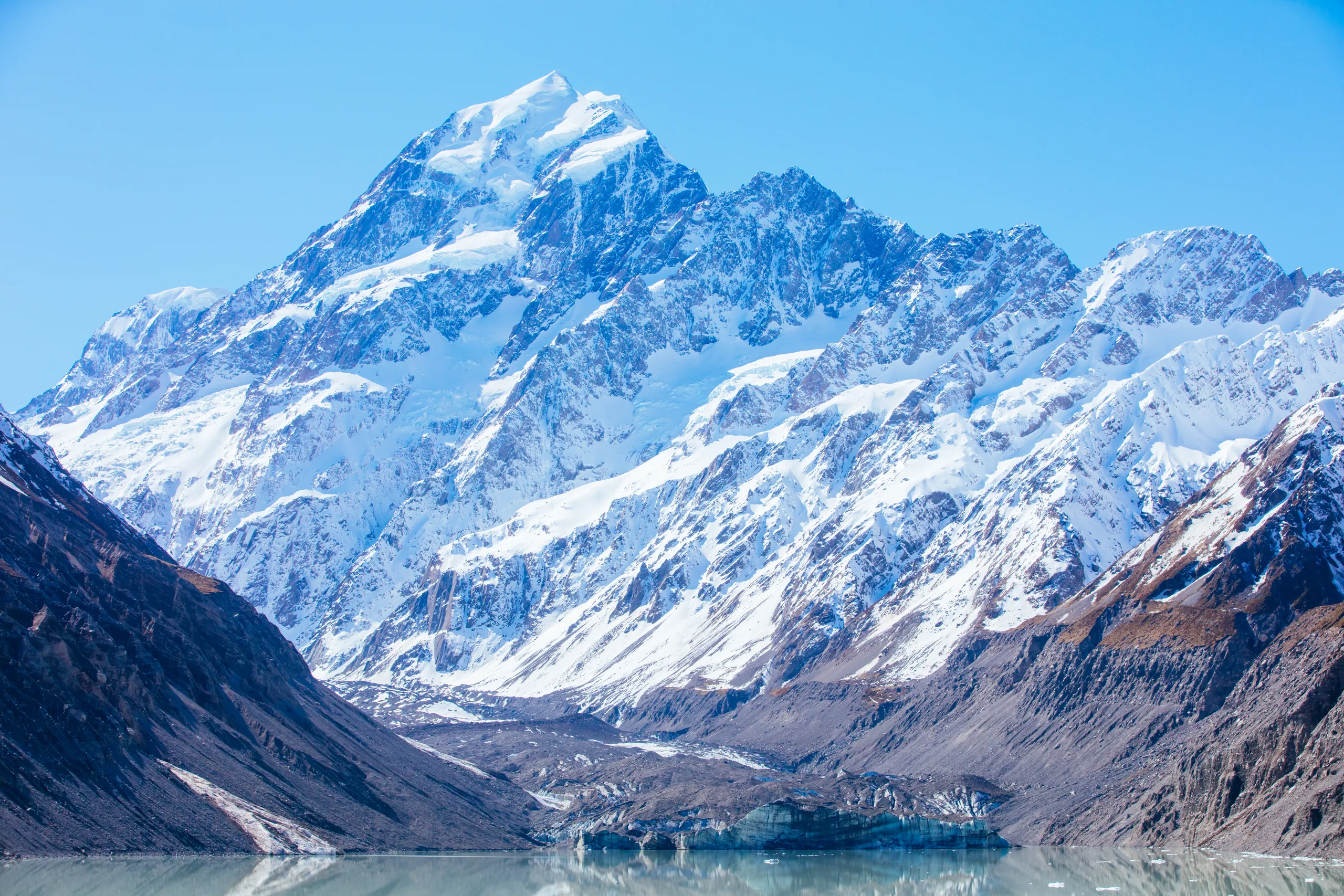
Yes, and we’ll go further than that. If you have to choose between Aoraki Mt Cook and one of the other South Island marquee detours, Mt Cook is the one we’d push you toward. Milford Sound is dramatic, but it’s a cruise. Aoraki Mt Cook National Park is a place where you walk into the landscape on your own two feet, get to within touching distance of glaciers, and stare up at the country’s tallest mountain (3,724 metres) from a valley floor that feels impossibly close.
The Hooker Valley Track alone justifies the detour. It’s free, it’s three hours, it’s mostly flat, and it finishes at a milky-blue lake full of small icebergs with Aoraki rising directly above. There is no equivalent walk this accessible anywhere in New Zealand. Add a scenic flight with a snow landing, or the Glacier Explorers boat tour on the Tasman terminal lake, and you have one of the strongest 48-hour windows on a South Island trip.
The honest catch: Mt Cook is a genuine dead-end detour. State Highway 80 runs 55 km off State Highway 8 and stops at the village. You’re not “passing through.” You have to commit, which means at least one night and ideally two. Day-trippers from Queenstown or Christchurch arrive frazzled, walk a shortened Hooker Valley in the wrong light, and leave thinking it was nice. Stay the night and watch alpenglow turn the peaks pink at sunset, then again at sunrise, and you’ll understand why people keep coming back.
What to actually do here
Mt Cook Village is small. There’s a visitor centre, a few accommodation options, a couple of cafés, and that’s about it. The activities are concentrated in a tight area, which is a good thing: you can stack three or four serious experiences into 48 hours without spending half the time in a car.
Hooker Valley Track (the must-do free walk)
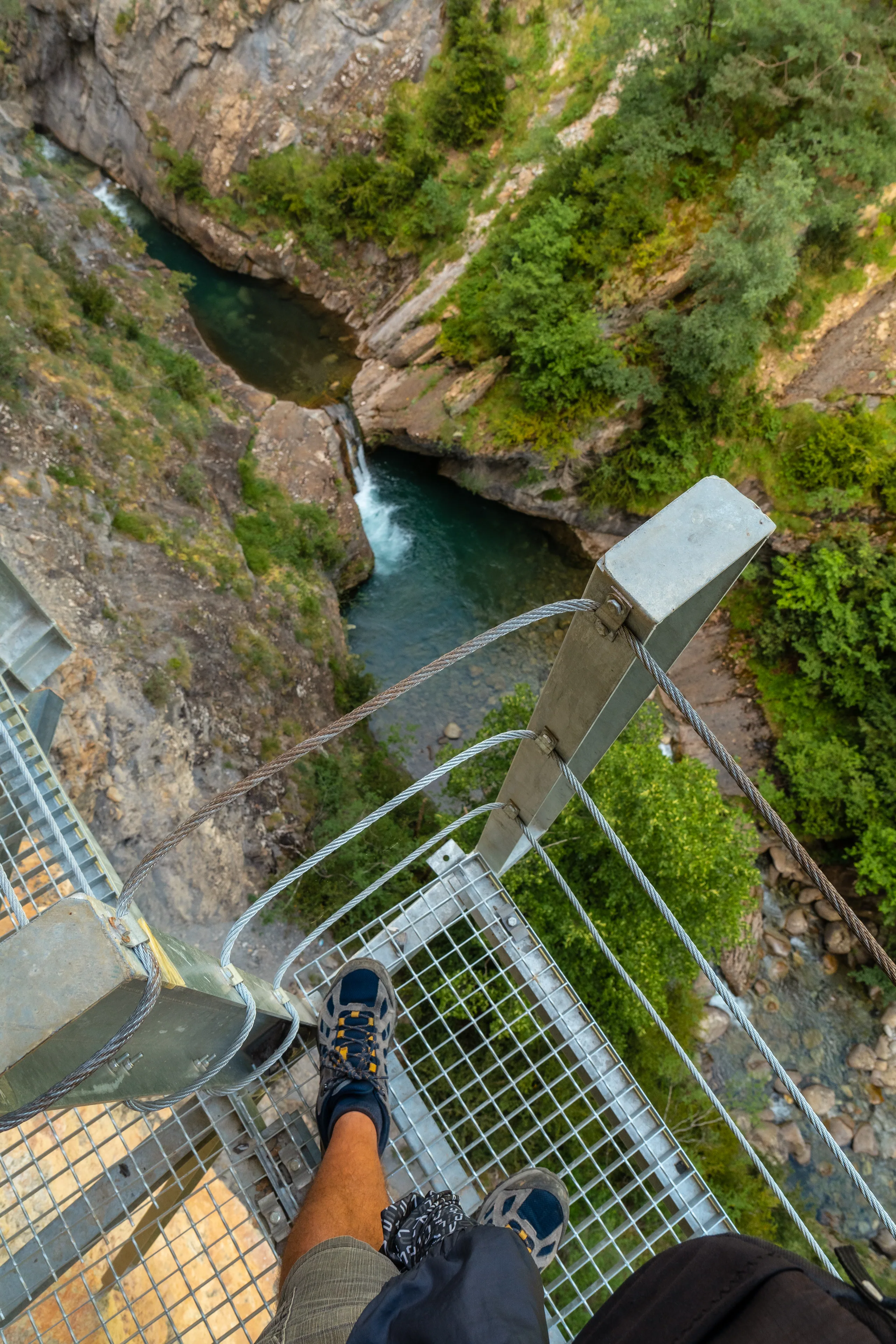
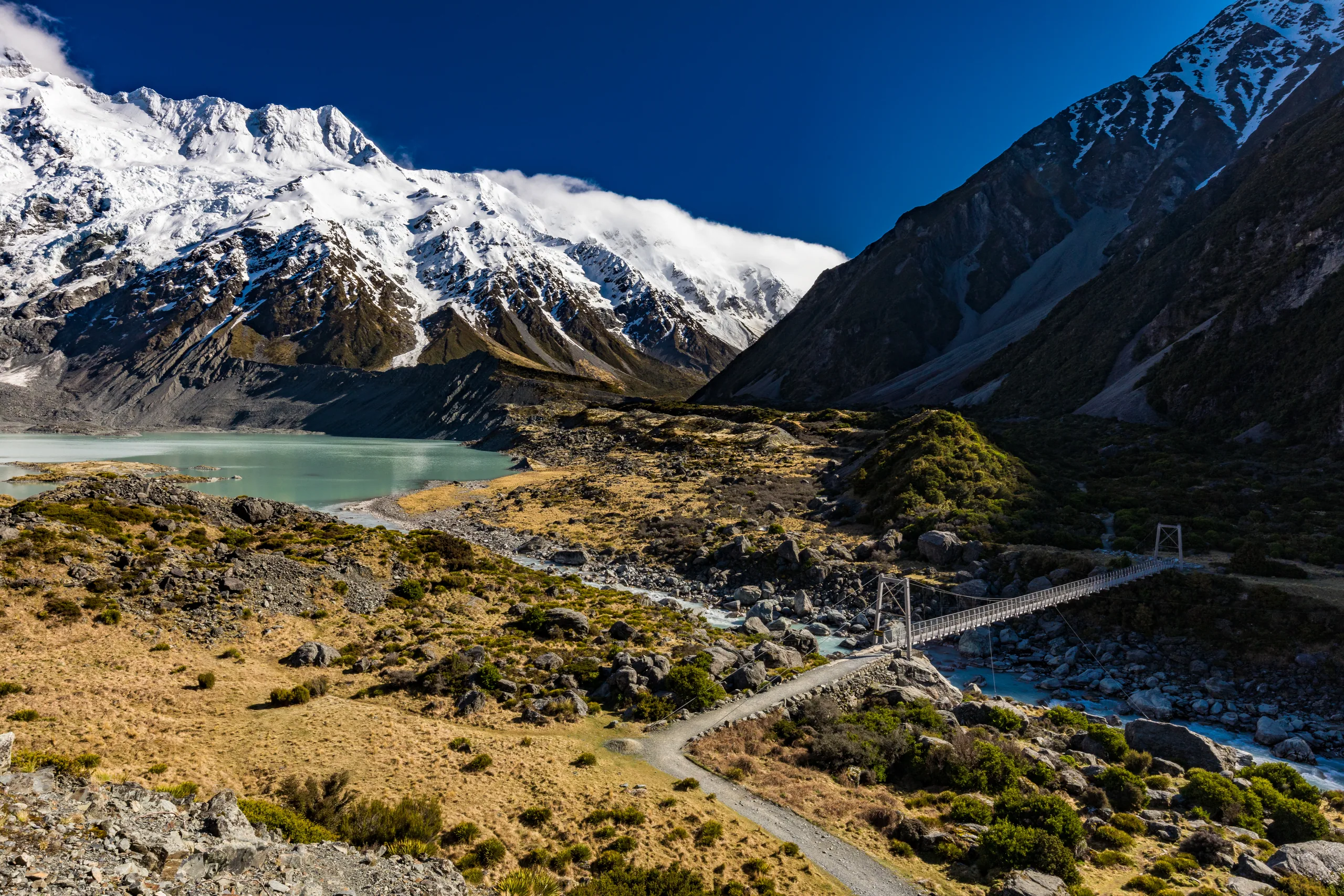
If you do nothing else at Mt Cook, do this. The track starts from the White Horse Hill campground car park, around 2 km from the village, and runs 5 km each way along the Hooker River to the terminal lake of the Hooker Glacier. Most people take 3 hours return including time at the lake. The trail is well-formed gravel and boardwalk the whole way, with three swing bridges, a few short hills, and zero technical difficulty.
What you walk into: Mueller Lake on your right early on, the Mueller Glacier moraine to your left, then a long open valley with the Southern Alps closing in on both sides. The final 500 metres opens out onto Hooker Lake, where small icebergs calved from the glacier float in milky water and Aoraki rises straight up at the head of the valley. On a calm morning you’ll get reflections that look retouched.
A few practical notes. The valley funnels wind, and even on a hot summer day the swing bridges can be cold and exposed. Bring a windproof layer, water, and snacks. There’s no shade and limited shelter, so a hat and sunscreen matter. Allow extra time at the end of the track. Most people sit at the lake longer than they planned to.
Kea Point Track (the short alternative)
If three hours feels like too much, Kea Point is a 2 km return walk from the same car park that ends at a viewpoint over the Mueller Glacier terminal lake, with Mt Sefton and the Footstool above. About one hour. Worth doing as an arrival-day stretch even if you’re walking Hooker Valley properly tomorrow.
Tasman Glacier boat tour
The Tasman Glacier is the longest glacier in New Zealand at 23 km, and its terminal lake is full of icebergs that have calved off the glacier face. Glacier Explorers is the only operator that runs boats on the lake, and the tour is the closest most people will ever get to a piece of ancient ice.
The basics: it’s around NZD $195 per adult, takes about two and a half hours door to door (including the 30-minute walk in from the car park to the lakeshore), and runs roughly September to May. The boats are custom small craft built to handle iceberg movement. Guides will pull pieces of ice from the water for you to hold, and on a calm day you’ll get within metres of the glacier face.
It does not run in winter when the lake is too cold and the access road can be closed. In shoulder season (September, October, April, May) cancellations for weather and lake conditions are common. Book the first available slot of your stay, not the last, so you have a backup window.
Scenic flights and heli-glacier landings
The flights at Mt Cook are some of the best in the country, and they come in two formats.
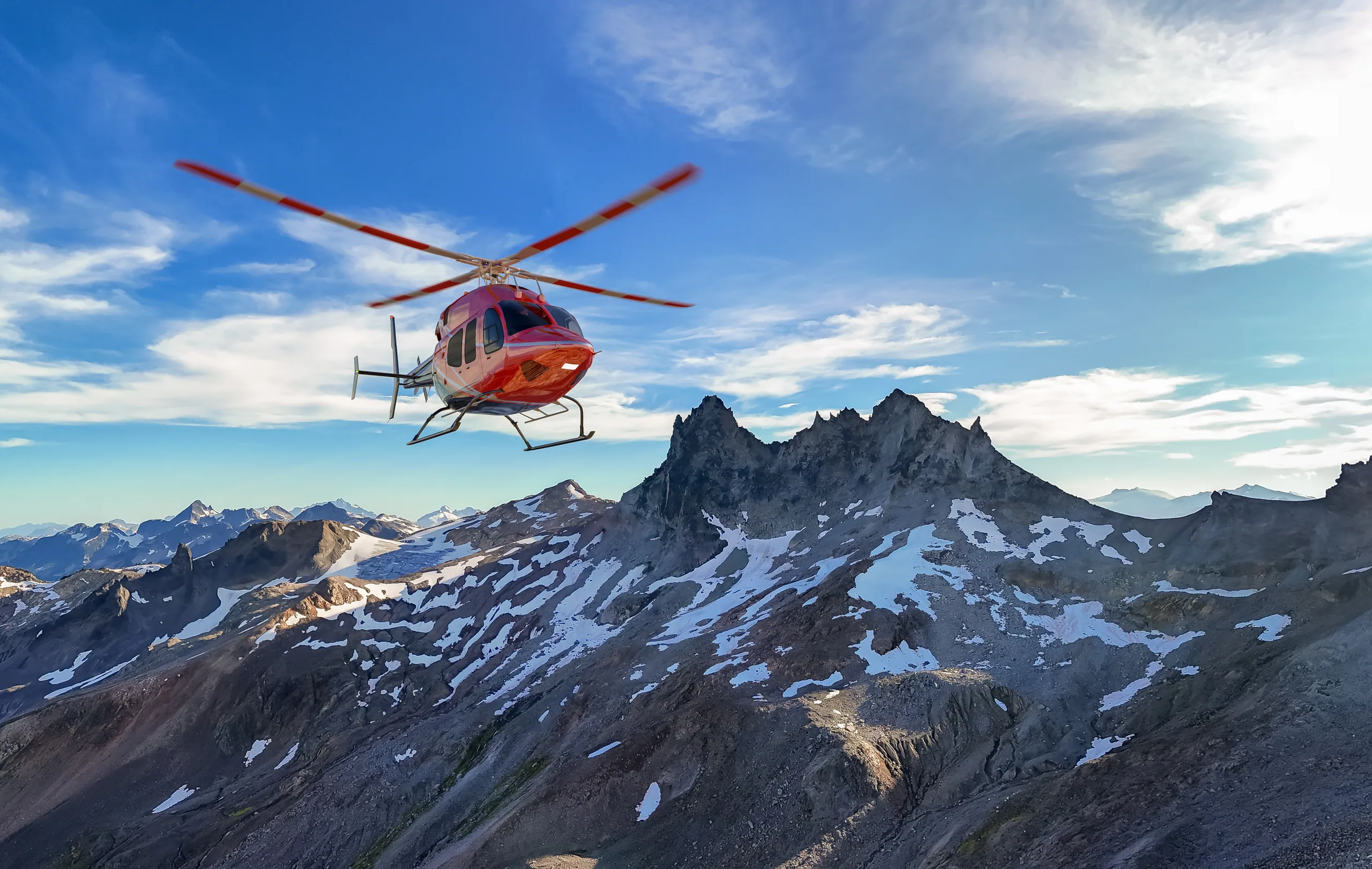
Helicopter flights with operators like The Helicopter Line and Inflite Mt Cook typically run 30 to 60 minutes, with one or two snow landings on a glacier or alpine ridge. Prices start around NZD $460 for the shortest option and run to NZD $850+ for longer routes that take you over Aoraki and the Tasman Glacier. The shortest flight (around 35 minutes with one landing) is enough for most people.
Ski-plane flights with Mt Cook Ski Planes and Helicopters are unique to this park. The fixed-wing aircraft has retractable skis and lands directly on the Tasman Glacier neve, high up the icefield. You step out onto the glacier in the middle of the Southern Alps. Prices start around NZD $459 for a 55-minute flight including landing.
Either way, weather cancels flights often. Cloud cover, wind, and visibility on the landing zones all need to align. If a flight matters to you, build a buffer day into your itinerary and book the first slot of your stay. Operators reschedule onto later slots when weather closes in.
Sealy Tarns and the steeper alternatives
If you want a real workout and your knees still work, the Sealy Tarns Track is the local favourite. It branches off the Kea Point track and climbs 2,200 stairs (yes, counted) up the side of the Sealy Range to a small alpine tarn with a sweeping view back across the Hooker Valley to Aoraki. Allow 3 to 4 hours return and expect your legs to feel it the next day. The reward is one of the best viewpoints in the park.
Beyond Sealy Tarns, the track continues to Mueller Hut, a Department of Conservation alpine hut at 1,800 metres. It’s a serious 8-hour return day, with scree, ice, and occasional snow even in summer. Check the Mountain Safety Council before any alpine day and book the hut well ahead through DOC if you want to stay overnight.
Stargazing (Dark Sky Reserve)
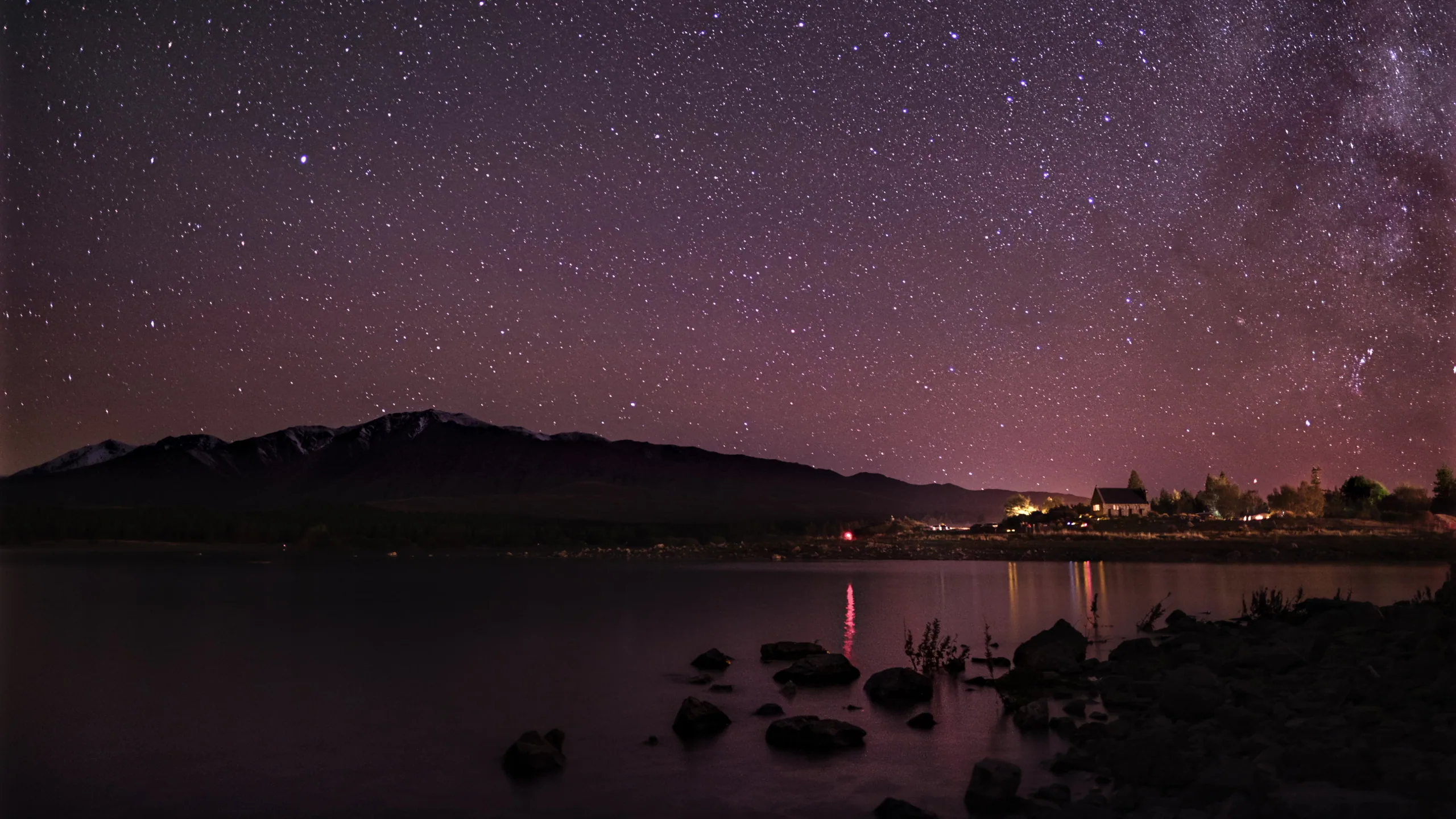
Mt Cook Village sits inside the Aoraki Mackenzie International Dark Sky Reserve, one of only a handful of certified gold-tier dark sky reserves in the world. On a clear night the Milky Way is visible to the naked eye, arching directly over the peaks.
Big Sky Stargazing at the Hermitage runs guided 75-minute outdoor tours with telescopes for around NZD $109, including warm jackets. It’s a good intro to the southern sky if you don’t know what you’re looking at. The Hermitage also has a planetarium for cloudy nights.
You can also just walk a few hundred metres from the hotel lights, lie down on the grass, and look up. Bring a warm jacket and a head torch (red light setting), and give your eyes 20 minutes to adjust. The village is quiet by 10 pm in shoulder season.
Getting there
Mt Cook is at the end of a 55 km dead-end road. There is no through-route. Plan your inbound and outbound drives carefully, especially in winter.
From Christchurch via Tekapo
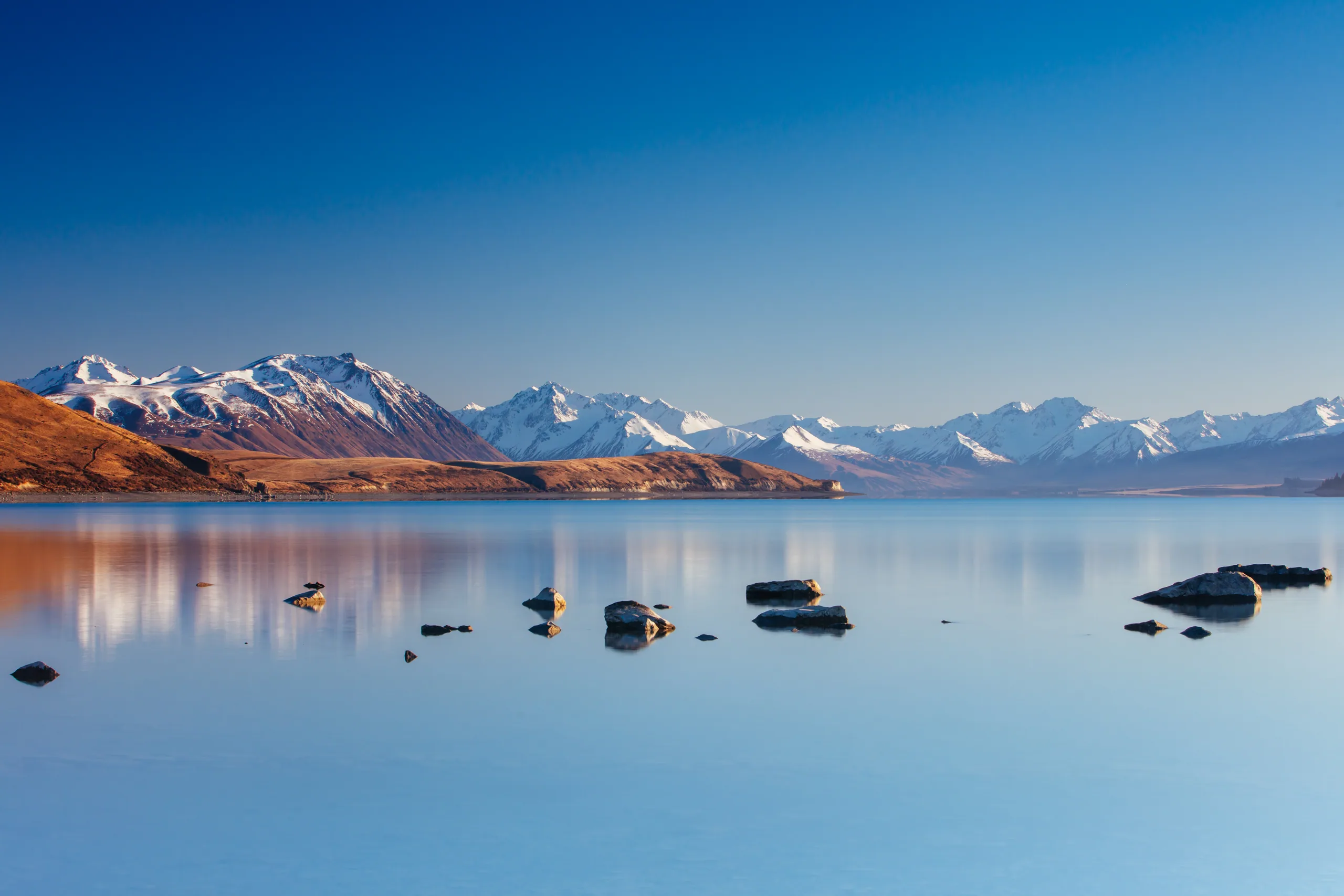
The classic approach from Christchurch. 330 km, around 3 hours 15 minutes without stops, but you’ll want to stop. The drive crosses the Canterbury Plains, climbs over Burkes Pass into the Mackenzie Basin, and runs along the eastern shore of Lake Pukaki with Aoraki rising straight out of the water at the far end. The last 55 km along SH80 hugs the lake the whole way and is one of the best stretches of road in the country.
Worth stopping for: Lake Tekapo (Church of the Good Shepherd, lupins in November and December), the Tekapo to Pukaki viewpoint at the top of the hill, and the Peters Lookout pull-off on SH80 about 20 km from the village. Plan 4.5 to 5 hours door to door with stops.
In winter, the road is generally clear but ice on shaded sections is normal. Carry chains if your rental requires them and check NZTA road conditions before you leave. See our driving in New Zealand guide for the chain rules.
From Queenstown / Wanaka
From Queenstown, it’s 265 km and about 3 hours 45 minutes via Cromwell, Lindis Pass, and Omarama. Lindis Pass is exposed alpine country and can be snow-affected in winter. From Wanaka, it’s a similar distance and time via the same route from Cromwell.
This drive is less scenic than the Christchurch approach in the first half, but Lindis Pass itself is beautiful (tussock-covered hills, big sky) and the final approach along Lake Pukaki delivers the same payoff at the end. Plan 5 hours door to door with stops in Tarras or Omarama.
If you’re heading from Mt Cook to Queenstown or Wanaka after your stay, this drive pairs naturally with a night in Wanaka before continuing south.
From Auckland or further north
There is no realistic way to do Mt Cook from the North Island without flying. The closest airports are Christchurch (3 hours away) and Queenstown (3.5 hours away). Both are served by multiple daily direct flights from Auckland. Christchurch is the better arrival point for Mt Cook specifically, especially if you’re combining it with Lake Tekapo and the Mackenzie.
Where to stay (and the case for staying overnight)
Mt Cook Village has limited accommodation, and that’s by design (it sits inside a national park). The options:
The Hermitage Hotel is the institution. It’s been at the same site since 1884 and is the only full-service hotel in the village. Rooms range from older standard rooms to alpine-view rooms with floor-to-ceiling windows directly facing Aoraki. The alpine view rooms are worth the upgrade if your trip allows. The hotel also houses two restaurants, a café, the Big Sky Stargazing operation, and the Sir Edmund Hillary Alpine Centre (museum and planetarium).
Aoraki Court Motel and Mt Cook Lodge & Motels are mid-range alternatives in the village itself, with kitchenettes and easier rates.
Aoraki Mt Cook Alpine Lodge is a self-catering option with shared kitchens, popular with hikers and longer stays.
White Horse Hill DOC campground is for tents and campervans only, no power, with toilets and water. Around NZD $20 per adult per night. It sits at the trailhead for Hooker Valley and Kea Point, which is unbeatable if you want to be out walking at sunrise.
If the village is full or your budget won’t stretch to The Hermitage, Twizel (50 minutes south) and Lake Tekapo (1 hour east) have plenty of motels and apartments and work fine as bases. You give up the in-village convenience but save real money.
The case for staying overnight: Mt Cook is one of those places where the light does the heavy lifting. Morning and late afternoon transform the peaks. Day-trippers arrive at midday when the sun is overhead, the contrast is flat, and the wind has usually picked up. Stay the night and you get sunset alpenglow, a quiet morning at the trailhead, and the Milky Way overhead if the sky is clear. The drive in is hard to justify for a flat midday view of the same mountains.
When to go
November to April is the main walking season. Tracks are clear, the Hooker Valley is exposed but warm enough, the Tasman Glacier boat tour runs, and most operators have full schedules. January and February are peak with the warmest weather and longest days, but also the most crowds at Hooker Lake. March and April are excellent: settled autumn weather, fewer people, the first dusting of snow appearing on high peaks.
May to September brings winter. Snow on the village, ice on the tracks, the Tasman Glacier boat tour shut down, but the mountains at their most photogenic and the night sky at its clearest (long nights, dry cold air). Hooker Valley is still walkable in winter if you have decent footwear and the patience for icy boardwalks. Scenic flights still run when weather allows.
October is shoulder. Variable weather, sometimes snow at the village still, but the lupins start appearing along Lake Tekapo and the Hooker Valley opens up properly. A good time if you can handle a few cancellations.
A note on weather: Mt Cook makes its own weather. The peaks pull cloud out of clear skies. Don’t be discouraged if Aoraki is hidden when you arrive. The valley clears and re-clouds on a 30-minute cycle in summer. Wait it out.
Skip this if…
A short and honest list of reasons to drop Mt Cook from the itinerary:
- You only have one week in the South Island and you’re trying to do Milford, Queenstown, Wanaka, the West Coast, and Christchurch. Something has to go. Mt Cook is a 24-hour detour minimum, and it’ll suffer if you cram it.
- You’re travelling with young kids or limited mobility and the Hooker Valley walk isn’t on the table. The village itself doesn’t have enough to justify the drive without the walk.
- It’s mid-winter with a settled snow forecast and you’re driving a 2WD without chains experience. The road in is usually fine, but shaded sections ice up and recovery is slow.
- You’re a scenic-flight purist and you’ve already booked flights over Fox or Franz Josef on the West Coast. The aerial views overlap. Pick one side of the Alps and commit.
If your trip is two weeks or more in the South Island, none of this applies. Go.
The practical stuff nobody mentions
A short list of things that will save your trip:
- No fuel in Mt Cook Village. Last petrol is at Twizel (50 minutes south) or Lake Tekapo (1 hour east). Fill up before you turn off SH8.
- Cell coverage is patchy. Vodafone/One NZ has reasonable coverage in the village and on the main tracks. 2degrees is weaker. Download offline maps and your bookings before you arrive.
- Limited groceries. The village has a small store inside the Old Mountaineers Café with basics at hiking-hut prices. Bring your own food from Twizel or Tekapo if you’re self-catering for more than a night.
- The wind in the Hooker Valley is real. Even on a 25-degree summer day, the swing bridges can be cold and the open valley can have 40 km/h gusts. Pack a windproof layer regardless of the forecast.
- Sandflies at the lake edges. Not as bad as the West Coast but enough to ruin a 20-minute sit. Repellent helps.
- Sunburn is fast. You’re at altitude with thin air, often with snow reflection. SPF 50, hat, sunglasses, even on cloudy days.
- Book scenic flights and Glacier Explorers early in your stay. Both cancel for weather. If you book the last morning, you have no backup. The first morning gives you 24 to 48 hours of buffer.
- The road has occasional one-lane bridges. Yield to oncoming traffic at the signs. They’re well marked but easy to miss if you’re staring at the lake.
Mt Cook is the rare place that genuinely rewards going slow. Two nights, the Hooker Valley walk in good light, a flight or a boat tour, and a dark sky on a clear night. That’s the trip. Do less, do it properly, and let the mountain show up on its own schedule. The park slots naturally into our 7-day South Island itinerary on the drive between Lake Tekapo and Queenstown.
Frequently asked questions
# Is Aoraki Mt Cook worth visiting?
# How long do you need at Mt Cook?
# Can you do Mt Cook as a day trip from Queenstown or Christchurch?
# What is the Hooker Valley Track like?
# Is the Tasman Glacier boat tour worth the money?
# What is a scenic flight at Mt Cook like and how much does it cost?
# Is Mt Cook good for stargazing?
Other activities you might pair this with
Where to base yourself
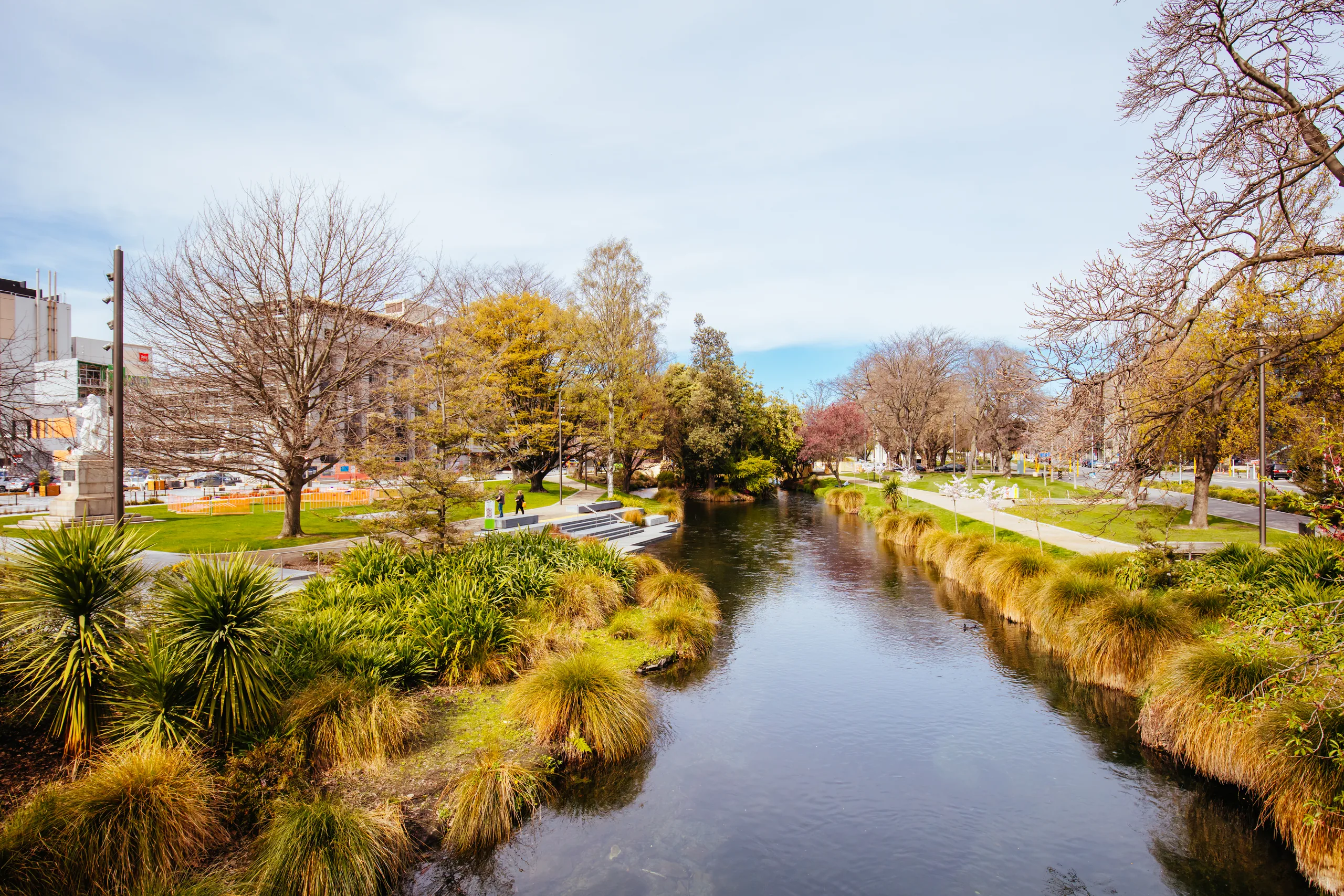
Christchurch: The honest guide to New Zealand's Garden City
What you need to know about Christchurch: what's worth your time post-rebuild, how to use it as a South Island base, and the stuff most guides skip.
Explore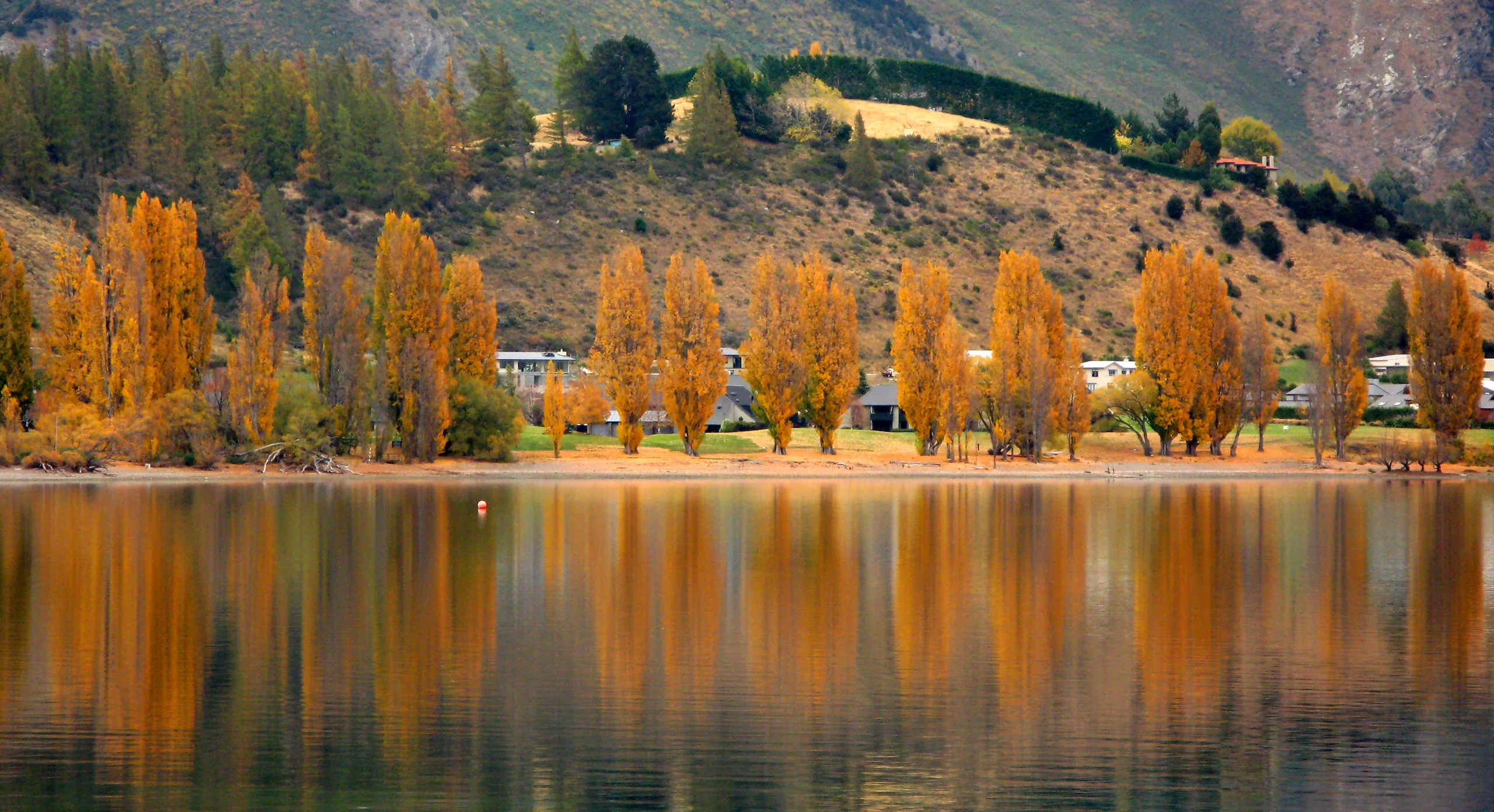
Wanaka: Queenstown's chiller cousin
Honest guide to Wanaka, NZ: Roys Peak, That Wanaka Tree, Rob Roy Glacier, Cardrona. How to get there, when to go and whether to base here.
Explore
Queenstown: Honest guide to the adventure capital
What's actually worth doing in Queenstown, when to skip the crowds, and how to base yourself here for Milford Sound and the rest of the South Island.
Explore