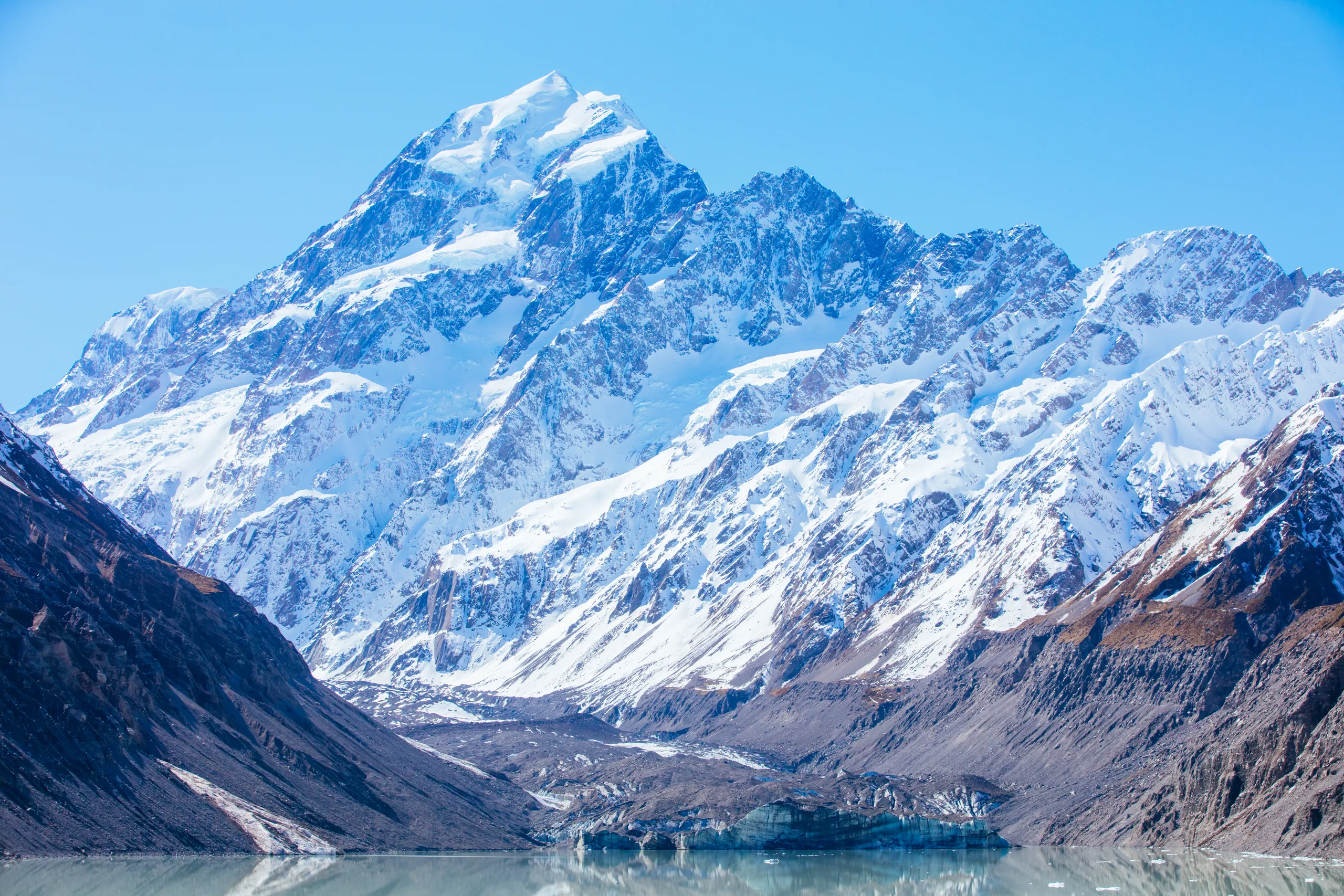
Wanaka: Queenstown's chiller cousin
Honest guide to Wanaka, NZ: Roys Peak, That Wanaka Tree, Rob Roy Glacier, Cardrona. How to get there, when to go and whether to base here.
Should you go?
If you have any time in the Southern Lakes and you’re not allergic to mountains, yes. Wanaka is the answer to a question a lot of travellers don’t realise they’re asking: what if Queenstown, but you could hear yourself think?
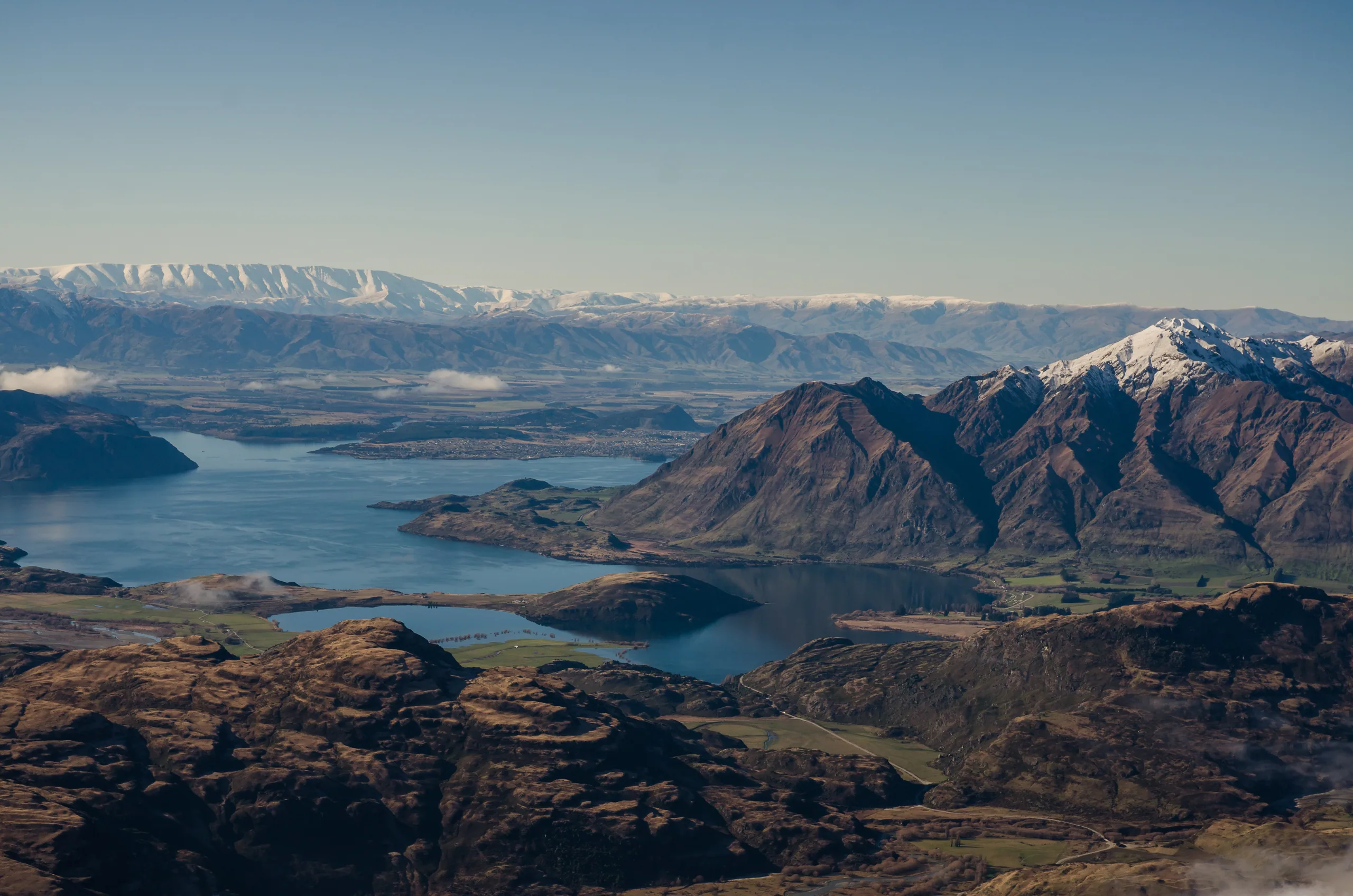
The geography is unreasonable. The town sits on the southern shore of Lake Wanaka, the country’s fourth-largest lake, with the southern wall of the Southern Alps rising straight out of the far side. Mt Aspiring National Park starts 30 minutes up the road. Two of the South Island’s best ski fields are within an hour. The town itself is one main street, a lakefront, a handful of bakeries that take their job seriously, and roughly zero stag dos.
The honest comparison: Queenstown is built around adrenaline tourism and an international airport. Wanaka is built around a lake and a national park. Queenstown wins on activity density, restaurant choice, late-night anything, and direct flights. Wanaka wins on parking, peace, stargazing, hiking access, and the simple feeling that you’re in New Zealand rather than in a tourism machine. Locals in both towns will tell you they prefer their own. They’re both right.
We usually pick Wanaka if a trip allows two bases. We usually pick Queenstown if a trip allows only one (because of the airport). And we usually tell people: if you’re already driving between them, give Wanaka two nights, not one.
The one caveat: Wanaka has grown fast. Summer weekends in Roys Bay can feel busy now, the Tree gets a queue at sunset, and parking at the lakefront from December to February is a real chore. Outside those peaks it still feels like a small town. Inside them, manage expectations.
Getting there
Wanaka doesn’t have a useful airport for most travellers. You’ll arrive by road, almost certainly from Queenstown.
From Queenstown (Crown Range or SH6)
Two routes. They’re roughly the same distance but very different experiences.
Crown Range Road (SH89) is the scenic line. It’s the highest sealed road in New Zealand, climbs out of Arrowtown to a saddle at around 1,076 m, and drops into the Cardrona Valley before levelling out for the run into Wanaka. Roughly 70 km and 1h15m without stops, but you’ll want to stop. There’s a lookout near the top with a view back over the Wakatipu Basin that is one of the best free viewpoints in the country. The Cardrona Hotel (founded 1863) sits halfway down and is worth a stop for a beer and a photo. Cardrona Distillery is just up the road from the hotel. In summer this drive is a pleasure. In winter it can ice over fast, especially the switchbacks on the Arrowtown side. Chains are sometimes required. Don’t attempt it in a low sedan on a fresh snow morning.
State Highway 6 via Cromwell is the long way round but the safe way. Around 115 km and 1h30m, two lanes the whole way, gentler grades, and the only sane choice if you’re in a campervan, a low sedan, or any kind of fresh winter snow. Check the NZTA Journey Planner for chain requirements. The Kawarau Gorge between Queenstown and Cromwell is genuinely beautiful (and home to the original AJ Hackett bungee site), but you’ve usually already done that on the way in.
A pattern that works: drive up via the Crown Range, drive back via SH6, hit a Cromwell fruit stop on the way home in summer.
From Christchurch / Mt Cook
Christchurch to Wanaka is around 425 km and 4h30m via the inland route (SH8 through Geraldine, Tekapo, and Lindis Pass). It’s a beautiful drive, with Lake Tekapo, Lake Pukaki, and the Lindis Pass tussock country between you and Wanaka. Most people break it at Tekapo or Twizel.
The natural play is to detour into Aoraki / Mt Cook Village off SH8 (a 55 km side road from Twizel, dead-ends at the village). That adds two to three hours, more if you walk the Hooker Valley Track, but combining Mt Cook and Wanaka in a single Christchurch-to-Queenstown leg is one of the great South Island road days. Don’t try to do it all on a tight schedule. Stay overnight in Twizel or at Mt Cook itself.
From Dunedin, plan on 3 to 3h30m via Alexandra. From Invercargill, around 4 hours.
Flying in
Wanaka Airport (WKA) is operational for scenic flights, skydiving, and general aviation, but there are currently no scheduled Air New Zealand commercial services. Most travellers fly into Queenstown (ZQN), which has multiple daily direct flights with Air New Zealand and Jetstar, then drive.
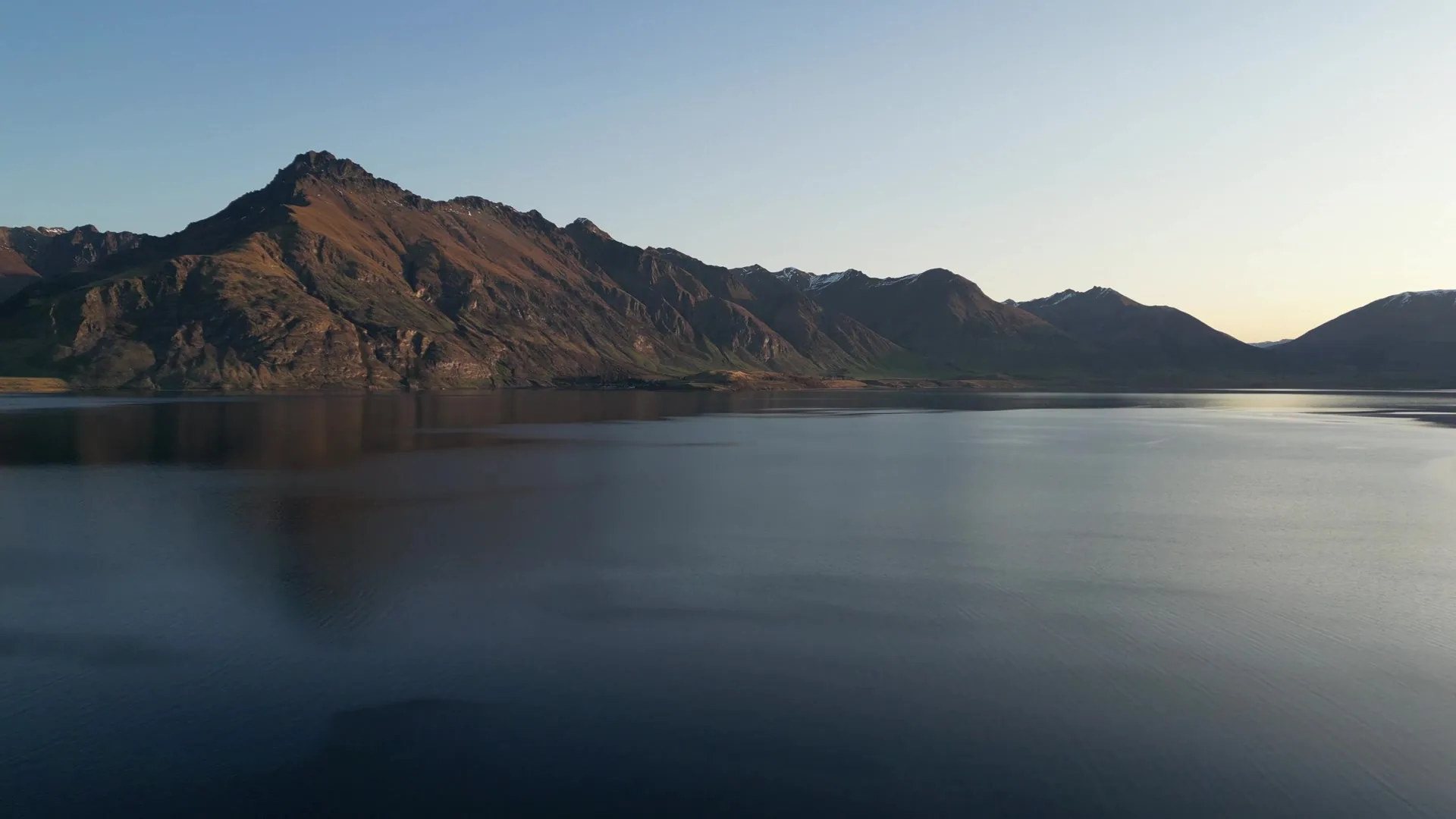
Top things to do
There are roughly five hundred things to do in and around Wanaka. These are the ones we’d actually send a friend on first.
Roys Peak (the sunrise photo)
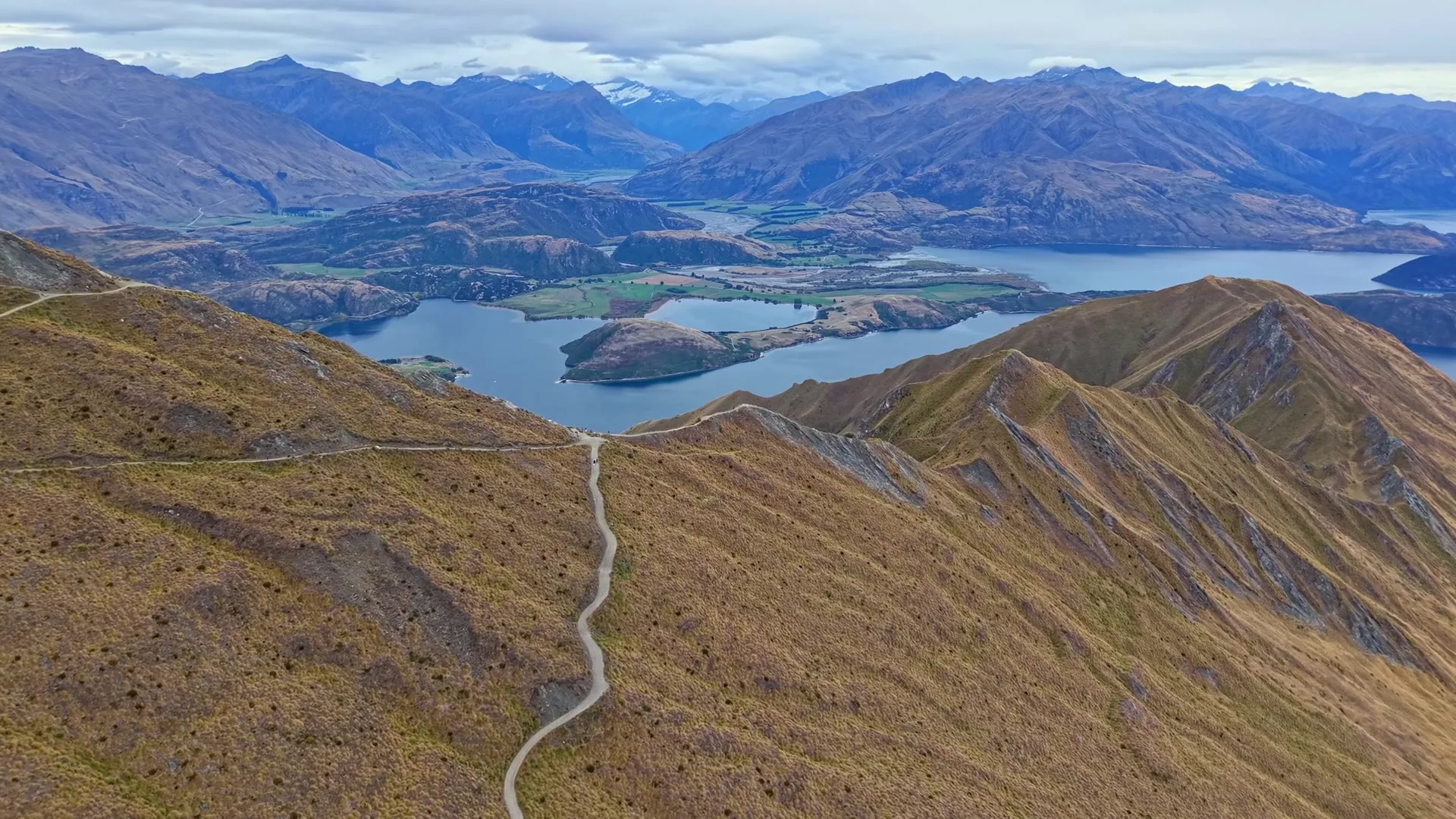
The most photographed hike in New Zealand and, weirdly, still worth doing. The track climbs a 4WD farm road up a ridge above Lake Wanaka. The viewpoint everyone photographs (the one with the spur jutting out over the lake) is at the false summit, not the true summit. Most people turn around there.
The numbers: 16 km return, around 1,250 m of climbing, 5 to 7 hours. No technical scrambling, but it’s relentlessly uphill on the way up and hard on the knees on the way down. Bring a litre of water minimum, sunscreen, and layers (it can be 25°C at the lake and snowing at the top in spring).
Two practical notes. First, the track is closed annually for lambing from 1 October to 10 November (reopens 11 November). Check the DOC page before you commit to a date in case the window shifts. Second, the sunrise queue for the photo spot is a real thing in peak season. If you want the shot without thirty people in it, start two hours before sunrise with a headtorch, or skip sunrise entirely and go up in the late afternoon when the crowds have left.
That Wanaka Tree (yes, the famous one)
A lone willow standing in the shallows at the western end of Roys Bay, a five-minute walk from the town centre. It’s become so famous it’s a meme, and yes, the meme is correct: it’s a tree, in a lake, and people queue to photograph it.
That said, on a still morning at sunrise, it’s genuinely beautiful, and free. Go early. Take the photo. Move on. It’s a 15-minute experience, not a half-day. The tree was vandalised in 2020 (some branches were sawn off) and has since recovered. It’s still standing, and treated with appropriate local affection.
Rob Roy Glacier track (Mt Aspiring NP)
If you do one full day-walk from Wanaka, make it this one. The track sits in the West Matukituki Valley, deep inside Mt Aspiring National Park. You drive in on a 54 km road from Wanaka, the last 30 km of which are unsealed gravel with about ten unbridged ford crossings. It is not a road for low rental cars, and the rental car companies often forbid it. Check your contract and our driving in New Zealand guide. Plenty of operators run shuttles or 4WD trips if you can’t drive it yourself.
The walk itself is 10 km return, around 4 to 5 hours, classified Intermediate by DOC. You cross a swing bridge over the Matukituki River, climb through beech forest, and emerge into a hanging valley with the Rob Roy Glacier hanging off vertical cliffs above you. Avalanche debris, kea, waterfalls peeling off ice shelves. It is one of the best half-day walks in the country.
Don’t go in heavy rain. The fords on the access road rise fast and the track itself can be hit by debris. Check the Mt Aspiring DOC visitor centre in Wanaka the day before, plus MetService and the NZ Avalanche Advisory.
Lake Wanaka (paddleboard, swim, jetboat)
The lake itself is the main event for a lot of people, and it deserves a slow day. A few ways to use it:
- Stand-up paddleboard at sunrise. The lake is glacier-fed and brutally cold, but the surface is glass on calm mornings. Hire from one of the lakefront operators and paddle from Roys Bay west toward the Tree and Eely Point. Wetsuit recommended outside of January-February.
- Swim from Eely Point or Bremner Bay on a hot day. Beach entry, shallow shelves, manageable water temperature for short swims in summer.
- Jetboat tours run up the Clutha River and the Matukituki. Worth it if you’ve never done a jetboat ride; skip if you’ve already done the Shotover in Queenstown, because it’ll be similar but less dramatic.
- Mou Waho Island cruise. A guided boat trip to an island in the lake with a short walk to a tarn that famously has its own little island inside it (a lake on an island in a lake on an island). Half-day. Quieter than most of Wanaka’s water tours.
Cardrona ski / mountain biking
In winter, Cardrona Alpine Resort is the family-friendly ski field of the Southern Lakes. Big intermediate terrain, three terrain parks, the most reliable snowmaking in the area. Adult full-day lift passes typically sit in the NZD$150 to $200 range, with prices varying by date and how early you book. Check the official Cardrona site for current pricing and early-bird deals. Treble Cone, 30 minutes the other side of Wanaka, remains open as the locals’ advanced and off-piste field, with the best lake-view skiing on the South Island. Recent seasons have seen shortened or uncertain operating days tied to marginal snow and operational challenges, so always check Treble Cone’s official channels for current opening dates and daily status before planning a trip.
In summer, Cardrona runs the chairlift for sightseeing and operates one of the better lift-served mountain bike networks in the country. Day passes are usually around the same price as a Queenstown bike-park day. Check the official site for current rates.
Diamond Lake / Rocky Mountain
The Roys Peak alternative for people who don’t want to do Roys Peak. Diamond Lake is a small lake about 18 km west of town, with a tiered track network. The short loop to the lake itself is 30 minutes. The full Rocky Mountain summit loop is around 7 km, 3 to 4 hours, with two excellent viewpoints down to Lake Wanaka. Far less crowded than Roys Peak. Better for families. Not as iconic a photo, but a better walk in terms of variety.
Wanaka vs Queenstown (honest comparison)
We get this question constantly. The short answer is at the top of this page. The longer answer:
Pick Queenstown if you have one base in the region, you want maximum activity choice and nightlife, you’re flying in and out with a tight schedule, or your trip is built around adventure tourism (bungee, Shotover, skydive, paragliding, Skyline luge). Queenstown is also the right call if you’ve got a group of mixed energy levels: there’s something for everyone within a 10-minute walk of the lakefront.
Pick Wanaka if you have two bases in the region, you’re a hiker or photographer, you want a real ski trip rather than a ski day, you’ve got kids who’d find Queenstown overstimulating, or you simply want to slow down somewhere beautiful for a few days. Wanaka is also the right call for a low-key honeymoon or a couples trip that doesn’t need to be a non-stop activity sprint.
Most travellers should do both. A two-base Southern Lakes trip (three nights Queenstown, two or three nights Wanaka, or the reverse) is the move. The drive between them is itself a highlight, and you don’t have to repack to access the best of each.
What Queenstown has that Wanaka doesn’t: the airport, the Shotover Jet, the Skyline Gondola and luge, Arrowtown (technically nearer Queenstown but it’s between the two), most of the big-restaurant scene, and the volume of accommodation options that lets you find a last-minute room.
What Wanaka has that Queenstown doesn’t: direct national park access (Mt Aspiring), bigger mountain views from the lakefront, Cardrona and Treble Cone (closer here than to Queenstown), a quieter cycle network, Puzzling World, the Tree, Rippon vineyard, and a town centre you can cross in five minutes.
Where to stay
Three useful zones.
Town centre / lakefront is where most travellers should aim. Walk to the Tree, walk to dinner, walk to the iSite for booking activities. Edgewater Resort sits a 10-minute lakeside walk west of town and is the easy “nice hotel” pick. Wanaka Hotel and a cluster of motels sit on Brownston Street. Holiday parks (Wanaka Lakeview, Wanaka Top 10) are budget-friendly and family-suitable.
Albert Town, 5 km out on SH6 toward the Clutha River outlet, is where a lot of long-stay holiday rentals live. Quieter, you’ll need a car, and you trade walkability for space. Good for families.
Cardrona Valley (the road back toward Queenstown) is mostly worth it in ski season, when staying up the valley puts you closer to Cardrona Alpine Resort than the town does. Otherwise it’s a 20-minute drive in each direction for groceries and dinner.
Avoid booking on summer or peak-ski weekends without a plan. Wanaka’s accommodation inventory is smaller than it looks on a map, and Queenstown spillover fills up rooms fast in January-February and July school holidays.
When to go
December to March is summer and peak season. Long days (it stays light past 9pm in December), warm enough to swim if you’re brave, all the hikes are open, the lake is at its best. Book accommodation ahead. Roys Peak gets busy.
April to May is the locals’ favourite. Stable settled weather most years, golden poplars in the Cardrona Valley, no crowds, all the day hikes still open and dry, and ski lifts not yet running so prices are lower across the board. If we had to pick one window of the year for a first Wanaka trip, this would be it.
June to early September is winter. Snow on the peaks, Cardrona and Treble Cone running, the lake gets a moody steel-grey look that photographs beautifully. Short days (4:30pm sunsets in June), often-icy roads, some of the hiking tracks impassable above the snowline. Great if you’ve come for skiing; quieter than ideal if you haven’t.
September to November is spring. Snow lingering on the peaks but most lower walks are open, lambs in the paddocks (and Roys Peak closed for lambing from 1 October to 10 November, reopening 11 November), variable weather. A good shoulder window if you want some snow and some hiking.
Tourism New Zealand visitor data for Otago consistently shows two pronounced peaks: international arrivals to the Southern Lakes peak in January and February for summer, and again in July and August for the ski season, with rooms in Wanaka often booking out 3 to 6 months ahead for those windows. If you’re aiming for peak summer (late December to mid-February) or the school-holiday weeks of the ski season, lock accommodation and any Cardrona or Treble Cone passes well in advance.
Skip this if…
A short list of honest reasons to drop Wanaka from your trip:
- You have one night in the Southern Lakes and an early flight. Stay in Queenstown, drive through Wanaka in daylight on the way to or from Christchurch instead.
- You’re on a strict adventure-activity itinerary built around bungee, Shotover, and skydiving. Queenstown is the better base; you’d be commuting back constantly.
- You’re visiting in late winter without snow tyres, chains, or any winter-driving experience. The Crown Range can be unforgiving and SH6 can ice too. Take a coach to Queenstown and call it.
- You’re allergic to driving. Wanaka rewards a car. Public transport into the national park is limited and tours fill up.
Otherwise, no, you should not skip Wanaka. Even half a day there is worth the detour.
The practical stuff nobody mentions
Quick hits that will improve your trip:
- The Mt Aspiring DOC visitor centre is in central Wanaka (Ardmore Street). Stop there before any national park walk. Hut bookings, track conditions, and avalanche advisories are all current and authoritative. Worth the 10 minutes.
- Phone signal disappears in the Matukituki Valley about 20 minutes out of town. Download offline maps. Tell someone your turnaround time. Take a personal locator beacon if you’re going past Rob Roy. PLBs are available for free hire from the DOC visitor centre.
- The lake is colder than it looks. Glacier-fed. Surface temperatures in midsummer hover in the low to mid teens. Swimmable in short bursts; not a tropical lake. Wear a wetsuit if you’re paddleboarding outside of January and February.
- Cardrona Distillery and Whitestone Cheese in Cromwell are the two best food stops on the Wanaka-Queenstown loop. Cardrona Distillery is on the Crown Range route, Whitestone is in Cromwell on SH6. Build a Crown Range out, SH6 back day around them and you’ve got lunch sorted.
- Wanaka has no late-night anywhere. Most kitchens close by 9pm, most bars by 11pm. Dinner reservations matter from December to February.
- Sandflies are present but milder than the West Coast. Around the lake edges and forest paths, repellent helps. Less of an issue in town.
- The Crown Range descent into Arrowtown has a couple of switchbacks where rental campervans have rolled. Take it slow, especially in low light. There’s no prize for getting down fast.
- Rippon Vineyard sits a 5-minute drive west of town with a view over the lake to the Buchanan Peaks that is, frankly, ridiculous. The cellar door operates on limited days and hours, often within a set afternoon window or by booking. Check Rippon’s official site for current opening times and booking requirements before driving out.
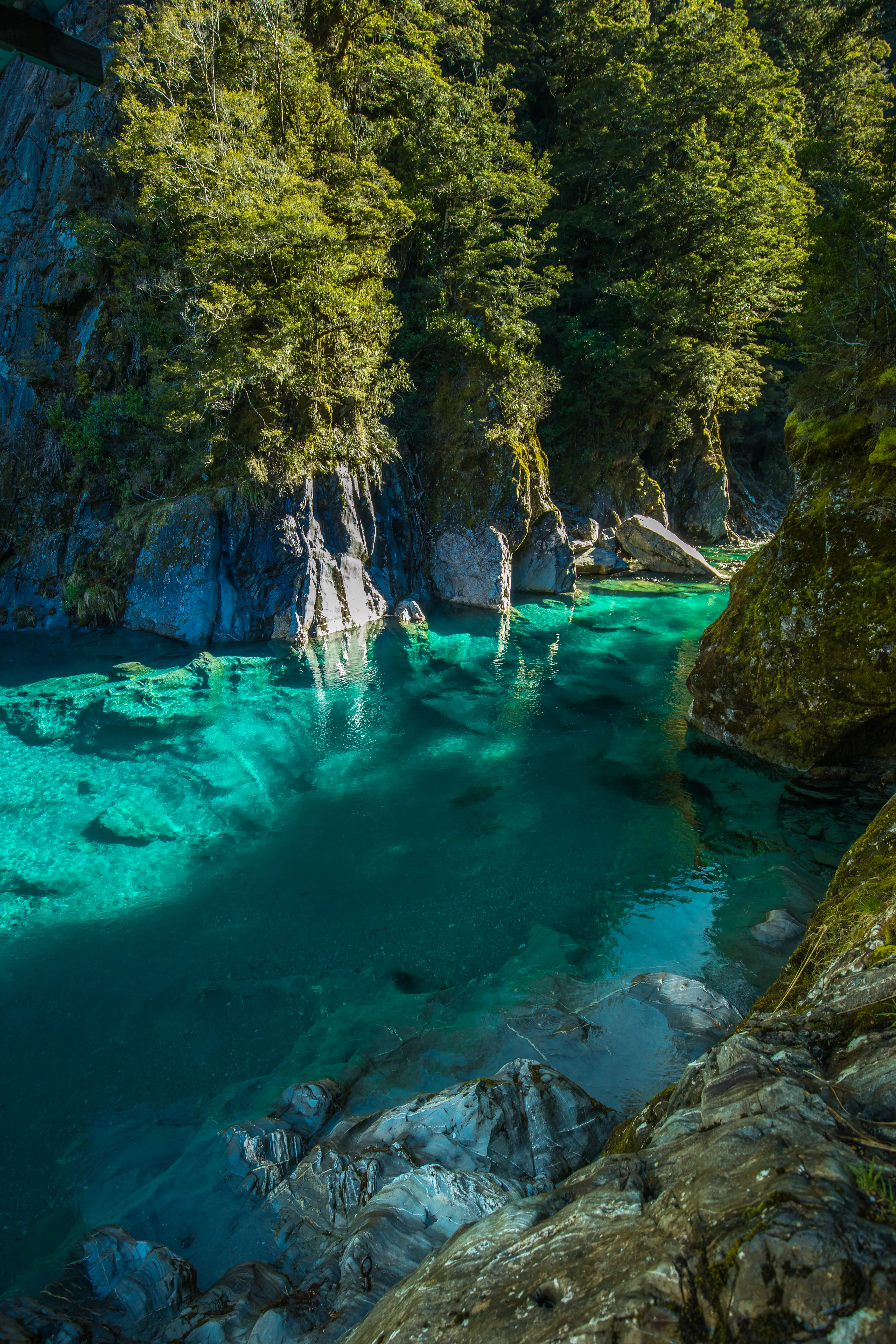
If you’re choosing between Wanaka and Queenstown and the trip allows it, do both. If it doesn’t, give Wanaka at least an afternoon on the drive between Queenstown and Mt Cook. It costs you almost nothing and changes the shape of the trip. Pair with our 7-day South Island itinerary for the wider plan.