
Milford Sound: an honest visitor's guide
What you need to know about visiting Milford Sound: which cruise is worth it, how to get there from Queenstown or Te Anau, and what the brochures skip.
Should you go?
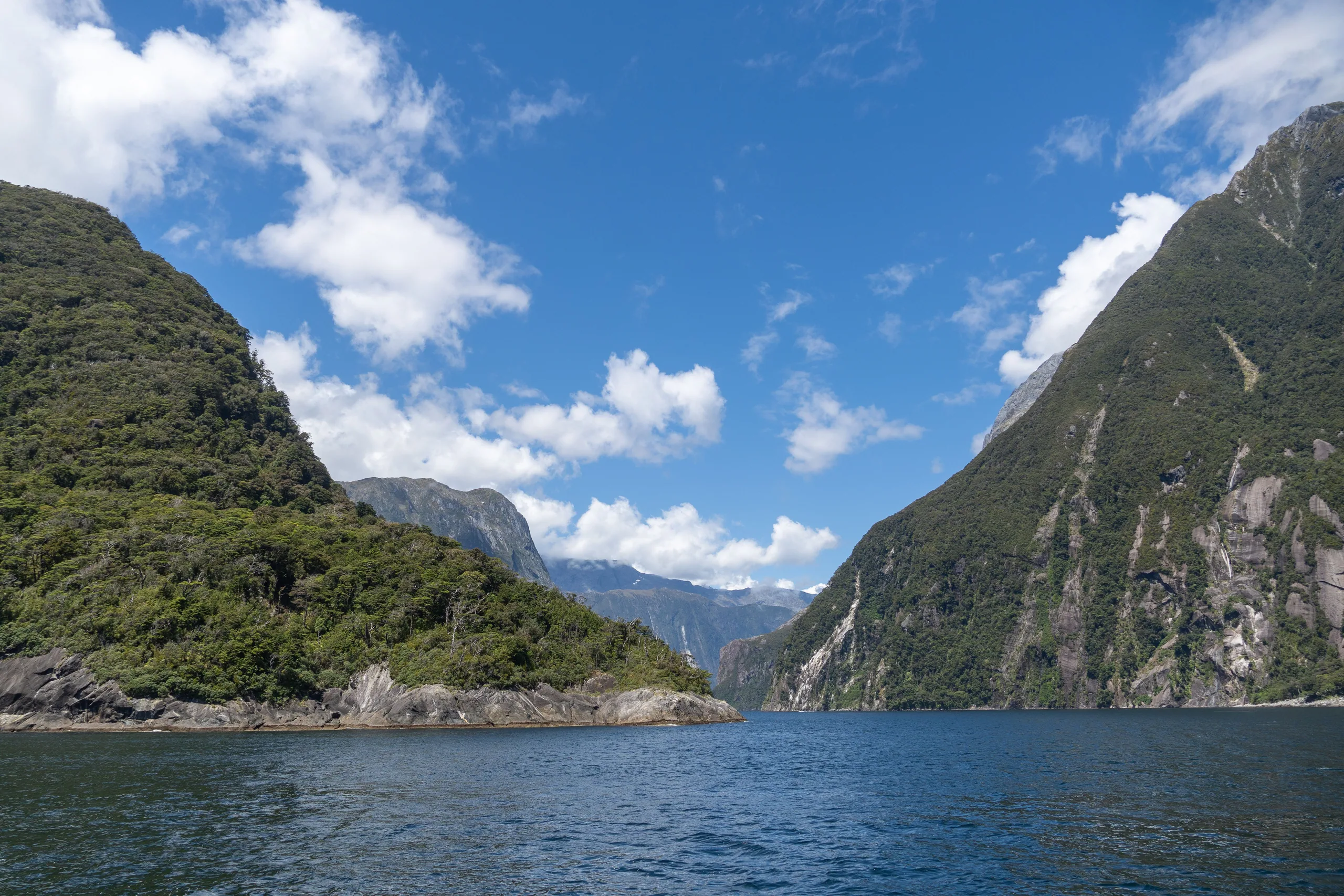
If you have any window of time in the South Island and the weather isn’t actively trying to kill you, yes, go. Milford Sound earns its eighth-wonder reputation through pure scale: 1,000m+ cliffs falling straight into the water, dozens of waterfalls when it rains (and it rains a lot, Milford gets around 180 rain days a year), seal colonies on the rocks, and occasional dolphins if you’re lucky.
But “worth it” depends on what you compare it to. If you’ve seen the Norwegian fjords, parts of Patagonia, or even Doubtful Sound an hour south, Milford won’t be the most singular landscape you’ve ever stood in. What makes it special is that it’s the most accessible fjord of that calibre in the world. You can sleep in Te Anau, drive in for a morning cruise, and be back for dinner. That accessibility cuts both ways: the busiest cruises in summer can feel like a parade. Milford sits inside Fiordland National Park, a World Heritage Site.
The honest version: book an early morning small-boat cruise, drive the Milford Road slowly with stops, and Milford Sound is one of the best days you’ll have in New Zealand. Book the cheapest mid-day cruise with no plan and it’ll feel like a tourist tick-box.
Getting there
The single most useful decision is where you stay the night before. The two realistic options are Te Anau and Queenstown.
From Te Anau (the smart base)
Te Anau sits 118 km from Milford Sound on State Highway 94 (the “Milford Road”). The drive is around 2 to 2.5 hours one way without stops, and realistically 3 hours if you stop at Mirror Lakes, Eglinton Valley, and Lake Gunn (all of which you should). The road climbs through alpine valleys and ends with a descent through the Homer Tunnel, a single-lane 1.2 km tunnel cut through solid rock with traffic lights at each end. Queues at peak times.
Te Anau also gives you a relaxed evening before, a softer body clock for early-morning cruises, and a much shorter drive home. For most travellers, an overnight in Te Anau is the difference between a great day and a brutal one.
From Queenstown
Queenstown to Milford Sound is 287 km, four hours one way, eight hours of driving in a day. Check the NZTA Journey Planner and the NZ Avalanche Advisory before you head out in winter. Three ways to handle it:
- Coach. Several operators run guided coach + cruise + coach day trips. You give up control of stops but you also give up driving on icy roads in the dark. Worth it for most people, especially in winter.
- Self-drive. Doable in summer if you leave at 6am. Brutal in winter or in bad weather. Don’t try it on no sleep.
- Fly-cruise-fly (or fly-cruise-coach). A scenic flight from Queenstown to Milford or Te Anau, the cruise, and a return flight. Cuts the day in half and gives you aerial views of Fiordland that change the trip entirely. Weather-dependent and roughly NZD $450 to $750 per person, but the cheapest way to buy back time.
From Auckland (or anywhere up north)
Fly to Queenstown (multiple direct flights daily) and pick one of the three options above. Don’t try to fly to Invercargill or Dunedin unless you’re building a wider South Island trip. The time savings from flying into Queenstown are real.
When to go
Choosing the season
November to March is peak season. Long daylight, warmest temperatures, most reliable cruise schedules, and the most coaches. Book ahead.
April to May and September to October are shoulder. Quieter, often beautiful. Weather is more volatile but visibility is frequently better than midsummer haze.
June to August (winter) gives you snow on the peaks and dramatic moody conditions. The trade-off is real road risk: the upper Milford Road is in an active avalanche zone and can close for hours or days. Don’t self-drive in winter — check our driving in New Zealand guide before any alpine drive. Take a coach with experienced operators.
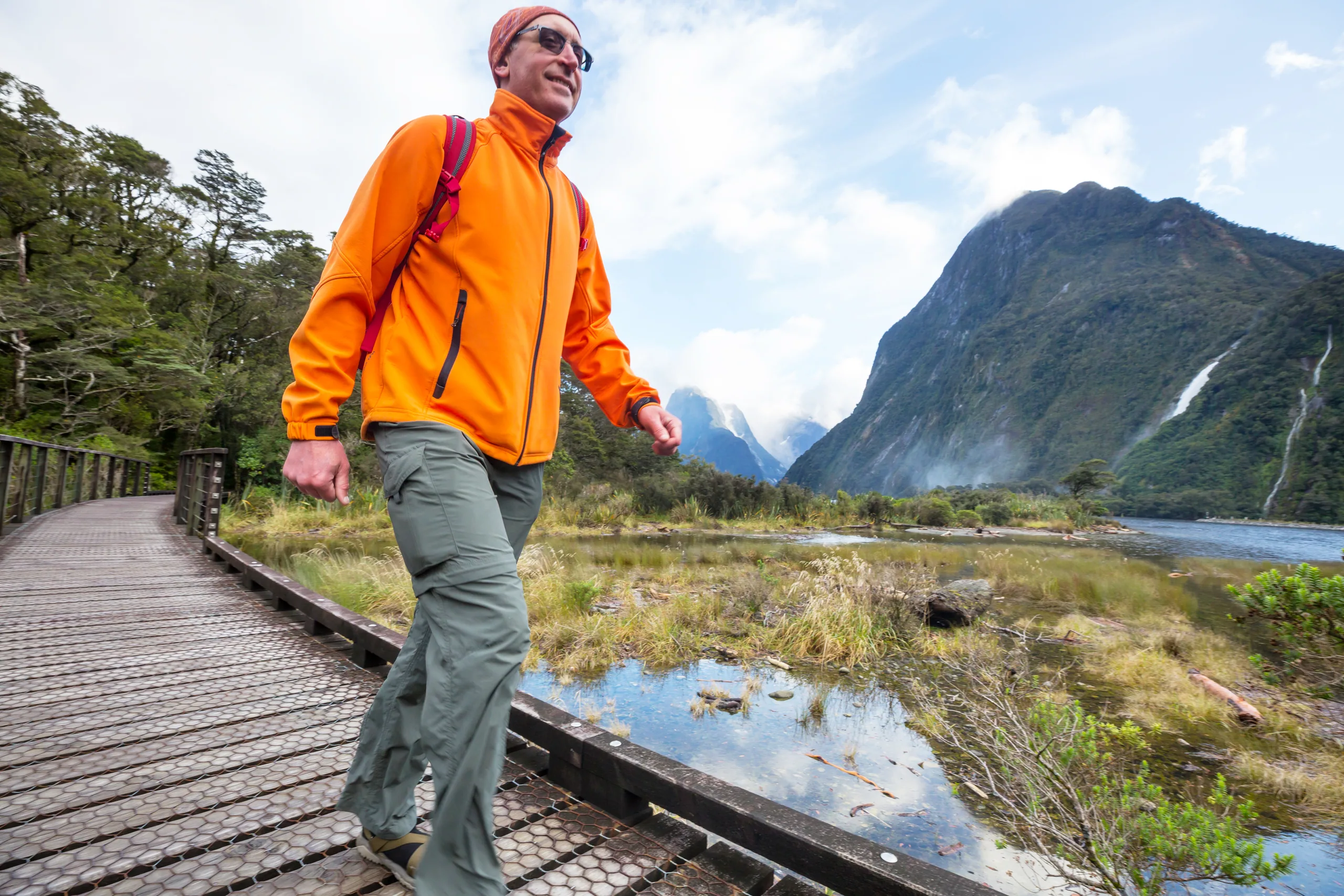
A note on weather: Milford is one of the wettest places on earth. Going on a rainy day is not a failure. It’s when the cliffs come alive with ephemeral waterfalls. Some of the most striking Milford photos you’ll ever see were taken in the rain. Pack a good waterproof jacket and decide that getting wet is part of the deal.
Morning vs afternoon
- Morning cruises (first or second sailing of the day): calmer winds, less coach traffic, dramatic side-lighting on the cliffs. Best for photographers and people who want a quieter boat.
- Afternoon cruises: warmer, more wildlife visible (seals love the warmer rocks), busier with day-trippers from Queenstown. Good if you’re driving in from Queenstown the same day and physically can’t make a 9am sailing.
If you have the choice, pick morning.
Choosing a cruise operator
There are five operators worth knowing about. They all visit roughly the same bits of the fjord (Stirling Falls, Mitre Peak, the Tasman Sea entrance). What differs is boat size, on-board experience, and price.
RealNZ (the safe pick)
RealNZ runs the largest fleet and most departures. Big stable boats, indoor seating with floor-to-ceiling windows, decent café onboard. Best for families, anyone prone to seasickness, and travellers who just want the classic Milford experience without fuss.
Mitre Peak Cruises (the photographer’s choice)
Mitre Peak Cruises runs smaller boats and prides itself on being the first on the fjord in the morning. If you want fewer people at the rails and closer access to the waterfalls, this is the pick. Slightly more expensive than RealNZ. Worth it for photographers.
Southern Discoveries (best for kids)
Southern Discoveries is the only operator with access to the Underwater Observatory at Harrison Cove. A floating viewing chamber where you can see black coral and deep-water species that live unusually shallow here because of Milford’s tannin-stained fresh water layer. If you have kids, or you’re a marine-life nerd, the Nature Cruise + Observatory combo is the standout.
Cruise Milford (the boutique pick)
Cruise Milford is the boutique option. Small boats, personal commentary, fewer than fifty passengers. The most “intimate” experience you’ll find on a day cruise. Couples and small groups love it.
Jucy Cruise (the budget pick)
Jucy Cruise is the budget option. Bright-green boats, less polish, but it’s still a Milford cruise. If you’re backpacker-budget or just refuse to pay $150 for a boat, this gets you on the water.
Beyond the standard cruise
A few alternatives worth considering, especially if you’ve got a flexible day:
- Scenic flights (Milford Sound Scenic Flights, Glenorchy Air, Fly Milford from Te Anau) flip the trip on its head. You see Fiordland from above, then cruise, then fly home. Weather-dependent. Around NZD $450 to $750.
- Overnight cruises with RealNZ’s Mariner give you the fjord at dusk and sunrise, with cabins, dinner, and breakfast. Roughly NZD $400 to $800+ per person depending on cabin. Verify the current season. Overnight cruises have been seasonal recently.
- Kayaking with Rosco’s Milford Kayaks is the closest you’ll get to the water surface and the cliffs. Half-day and sunrise trips around NZD $150 to $260. You’ll get cold and wet and it’ll be one of the best things you do.
- Heli-cruise combos for the splurge end. Helicopter in, cruise, helicopter out, often with a remote landing on a glacier or alpine ridge. NZD $900+. Bucket list tier.
Skip this if…
We don’t say “everyone should see Milford.” A few honest reasons to drop it:
- You’ve already booked Doubtful Sound on the same trip and you’re tight on days. Doubtful is bigger and quieter. You don’t desperately need both.
- It’s mid-winter, the forecast is solid rain with low cloud all week, and you have only one day to attempt it. Visibility can be genuinely zero. (Conversely, some rain is actively a good thing. See above.)
- You’re planning to self-drive in winter with no chains experience. Take a coach instead, or skip it.
- Your trip is North Island only and you’d need to add three days of travel for one cruise. There are better uses of those days.
The practical stuff nobody mentions
A short list of things that will save your day:
- Phone signal stops at Te Anau. There is no mobile coverage on most of the Milford Road or at the fjord itself. Download offline maps, your cruise booking, music, and anything else you’ll want.
- Last petrol is in Te Anau. There is no fuel at Milford Sound. If you’re driving from Queenstown without stopping in Te Anau, fill up at Te Anau on the way through.
- Food at the terminal is limited and expensive. Bring lunch and water from town. There’s a small café but it’s not the experience.
- Sandflies are real. They congregate at the boat ramp and around the bush edges. Long sleeves, long pants, and DEET-based repellent. Don’t stand still near the trees.
- You will get wet on the deck. That’s the point. Boats nose in close to the waterfalls. A waterproof jacket (hood up) and waterproof shoes or spare socks change the experience entirely. Protect your camera.
- The Homer Tunnel queue can be 20 to 30 minutes at peak times. Factor it into your timing if you’re trying to make a specific cruise.
If you do one thing on your South Island trip, do this. Just do it with the right boat, the right time of day, and a waterproof jacket. Pair it with our 7-day South Island itinerary and the packing list before you go.
Frequently asked questions
# Is Milford Sound worth visiting?
# How long do you need at Milford Sound?
# Is it better to visit Milford Sound in the morning or afternoon?
# How hard is the drive to Milford Sound?
# Can you visit Milford Sound on a day trip from Queenstown?
# What is the best time of year to visit Milford Sound?
# Do you need to book a Milford Sound cruise in advance?
# Is Milford Sound or Doubtful Sound better?
Other activities you might pair this with
Where to base yourself
Te Anau: Your gateway to Fiordland and Milford Sound
The honest guide to Te Anau, New Zealand. The smartest base for Milford Sound, plus the Kepler Track, Glowworm Caves, and what to do when you have a spare day.
Explore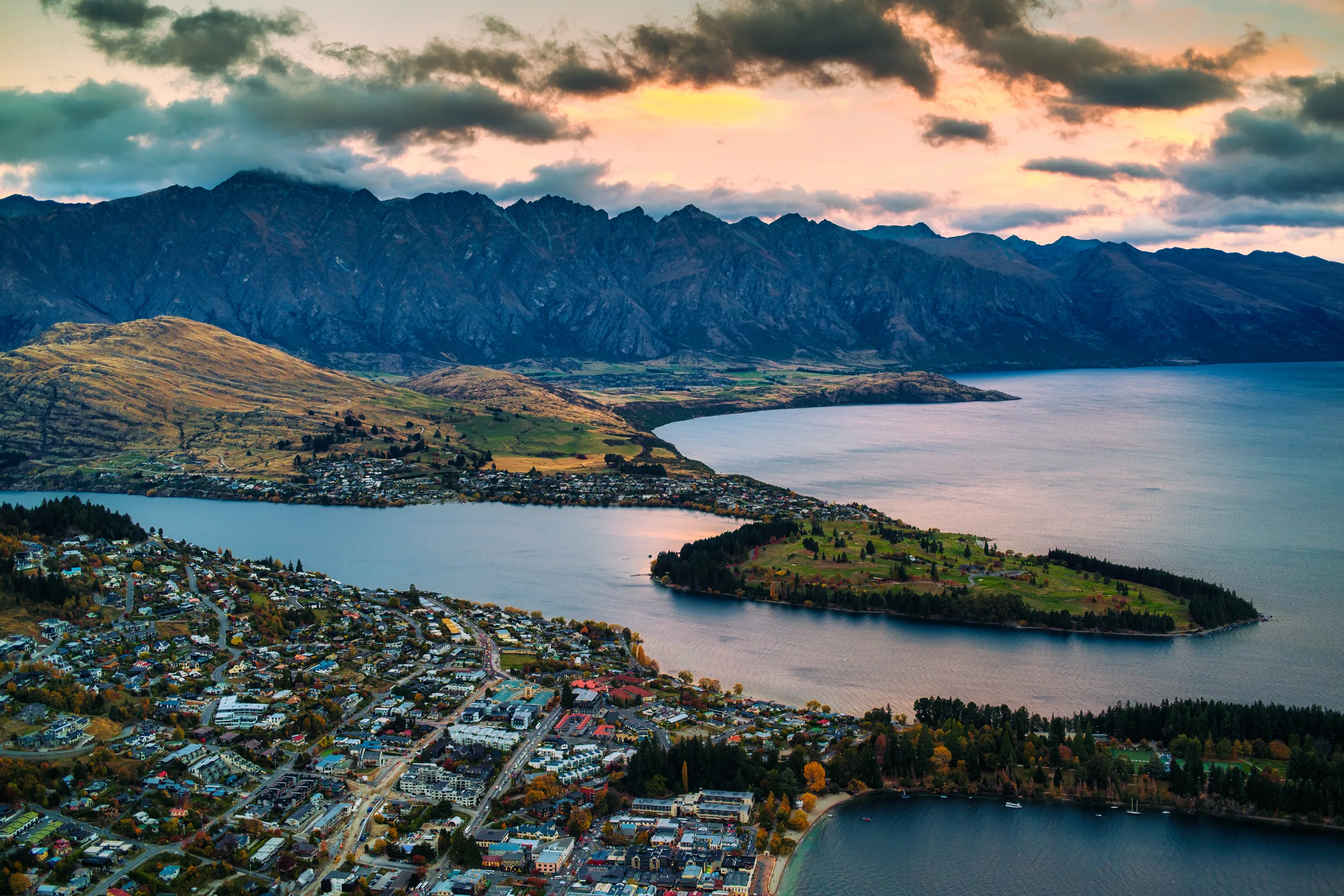
Queenstown: Honest guide to the adventure capital
What's actually worth doing in Queenstown, when to skip the crowds, and how to base yourself here for Milford Sound and the rest of the South Island.
Explore