
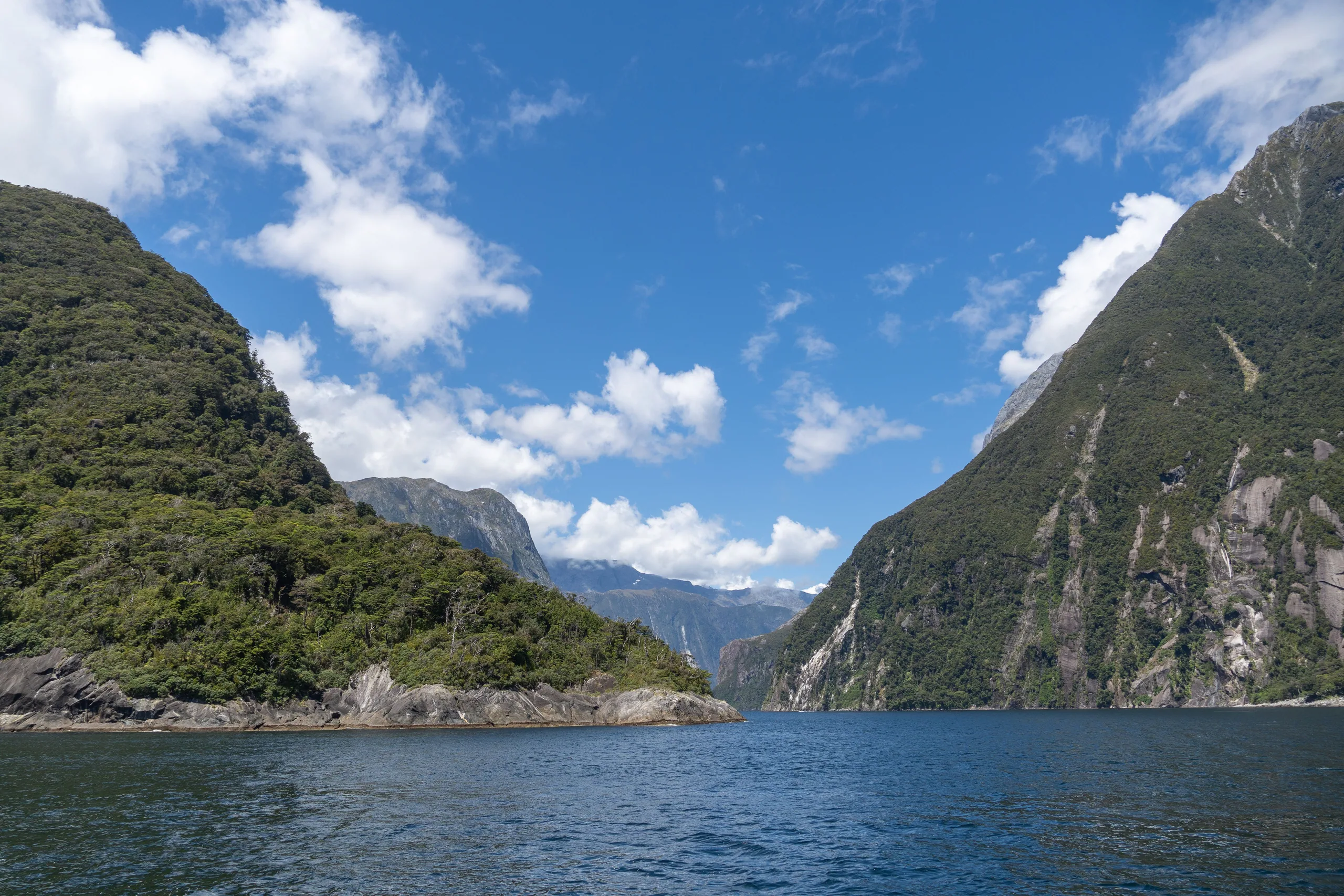
Te Anau: Your gateway to Fiordland and Milford Sound
The honest guide to Te Anau, New Zealand. The smartest base for Milford Sound, plus the Kepler Track, Glowworm Caves, and what to do when you have a spare day.
Should you go?
If your trip includes Milford Sound, the Kepler Track, or any serious Fiordland time, you should sleep in Te Anau. That’s the short answer. Most travellers underrate it because the town itself is small (population around 2,500) and the lakefront strip looks like a hundred other New Zealand resort villages on a quick walk-through. Look past the surface and Te Anau is the most strategically positioned base in the south of the South Island: the gateway to Fiordland National Park, the trailhead for three of New Zealand’s ten Great Walks, and a two-hour buffer between your Queenstown flight and a 9am Milford cruise.
Who it suits: people who want to do Milford Sound properly (morning cruise, slow drive in, room to react to weather), hikers planning the Kepler or Routeburn, photographers chasing reflection-flat lakes at dawn, and travellers who like quiet evenings on a lake more than queue-deep central Queenstown.
Who it doesn’t suit: visitors who only have one or two nights in the South Island and want nightlife, restaurant variety, or non-Fiordland activities. Te Anau is not Queenstown’s competitor. It’s Queenstown’s smarter outpost.
Getting there
There’s no commercial airport in Te Anau and no train. You’re either driving in or taking a coach. Both options come down to which airport you fly into first.
From Queenstown
The most common route. Queenstown to Te Anau is around 170 km via SH6 and SH94, a 2h 15m to 2h 30m drive depending on stops. The road is sealed the whole way, two lanes, generally relaxed once you’re south of Kingston. Stop at Lake Wakatipu’s southern tip for the view, and at Mossburn or Five Rivers if you need fuel or a coffee.
If you’re not driving, several coach services run daily between Queenstown and Te Anau (InterCity and Tracknet operate the route in some form). Fares vary by operator and season, so check the official site of your chosen operator before booking.
From Auckland or international
There are no direct flights to Te Anau, so almost every international visitor flies to Queenstown Airport first. Queenstown has direct flights from Auckland (90 minutes, multiple daily), Christchurch, Wellington, and a handful of international cities (Sydney, Melbourne, Brisbane). From the airport it’s a 2h 15m drive south on SH94. Pick up a rental car at the terminal and you’ll be on the lake by mid-afternoon.
A second option is to fly into Invercargill (around 2h drive away) if you’re routing through the deep south or coming off the Catlins. Flights into Invercargill are fewer and routed via Auckland, Christchurch, or Wellington.
From Christchurch and Invercargill
From Christchurch, the drive is around 8 to 9 hours via SH1, SH8, and SH94. That’s a long day. Most people break it overnight in Tekapo, Lake Wanaka, or Queenstown. From Invercargill, it’s 160 km and about 2 hours on SH99 and SH94, an easy half-day if you’re working your way up from Stewart Island or the Catlins.
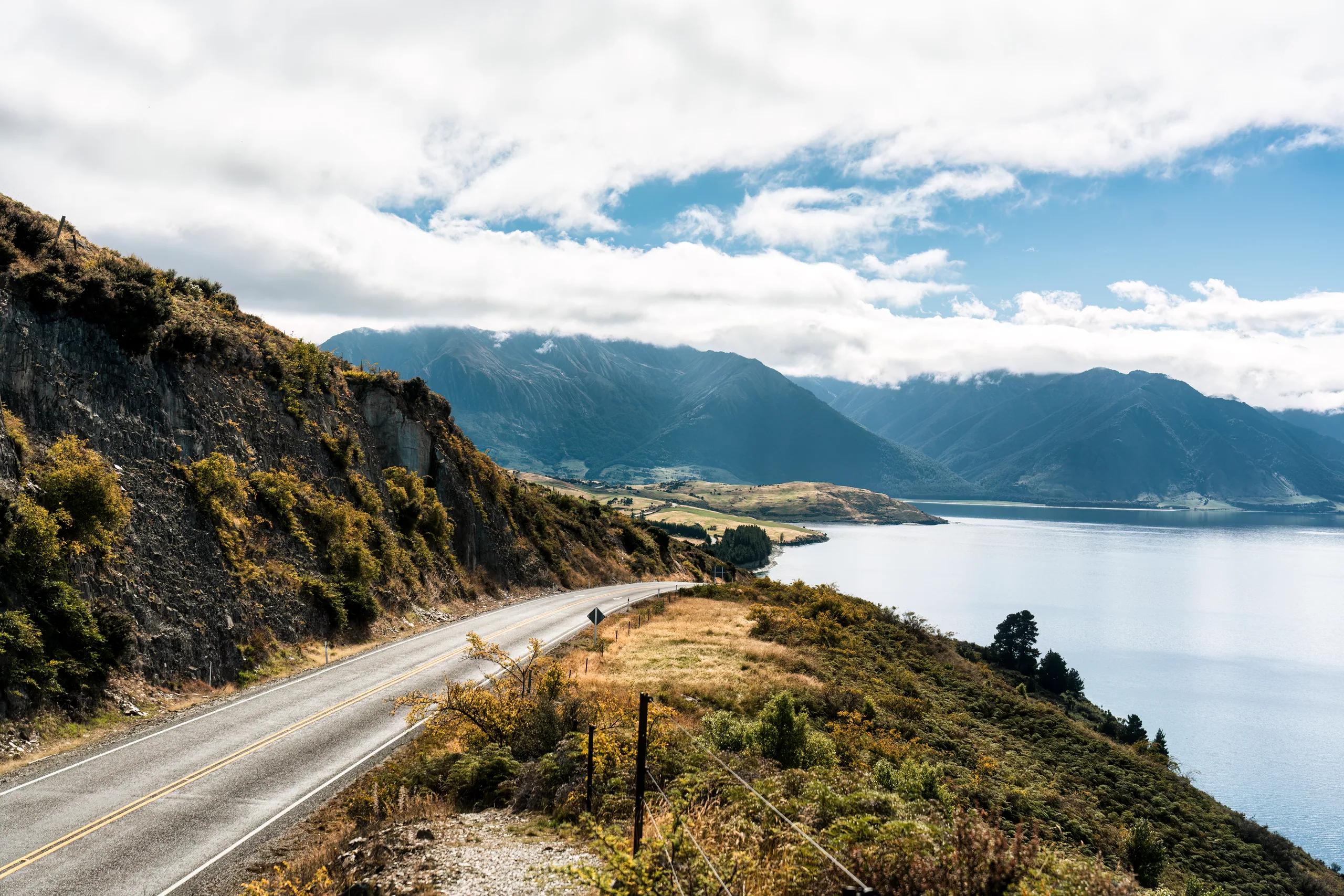
Things to do beyond Milford Sound
Most visitors treat Te Anau as a one-night box to tick on the way to Milford. That’s a missed trip. The town earns at least a full day of its own.
Kepler Track
The Kepler Track is one of New Zealand’s ten Great Walks and the only one that starts and ends within walking distance of a township. The full loop is 60 km over three to four days with two huts, climbing into alpine ridgeline before dropping back into beech forest. If you don’t have time for the whole walk, two day-walks deliver most of the magic: the Brod Bay section is a flat 5.6 km lakeside walk with a great swimming beach at the end, and the Luxmore Hut day-trip is a punishing but rewarding 8 to 10 hour return climb to a hut at 1,085 m with views back over Lake Te Anau. Don’t underestimate it. Check the Mountain Safety Council and bring layers even in summer.
Te Anau Glowworm Caves
Te Anau’s signature non-Milford activity. The caves are on the western shore of the lake, only accessible by boat. Tours run by RealNZ depart from the lakefront in town, cross the lake by catamaran (around 35 minutes), then walk you through limestone passages and onto a small punt that glides silently under a ceiling of glowworms. The whole tour is about 2 hours 15 minutes, runs day and evening, and starts from NZD $145 per adult on RealNZ’s standard public rate (occasional promos can be lower, so check the official site). Book ahead in summer. The evening departure is the one to chase.
Lake Te Anau and kayaking
Lake Te Anau is the second-largest lake in New Zealand by surface area and the largest in the South Island. It’s deep, cold, and clean enough to drink in places. Half-day and full-day kayak tours run from the lakefront, often into the Upper Waiau River (the “River Anduin” from the Fellowship of the Ring) or along the quiet shoreline beneath the Kepler. Rosco’s, Fiordland Outdoors Co., and Fiordland Wilderness Experiences all run guided trips at prices that vary by operator, duration, and inclusions, so check the official site of each operator for current rates. If you’ve got a calm morning, do this instead of sleeping in.
Punanga Manu o Te Anau wildlife sanctuary
A quiet 15-minute walk from the town centre and one of the best places in New Zealand to see takahē (the flightless bird thought extinct until rediscovered in the Murchison Mountains in 1948) at close range. Other residents include kākā, kākāriki, and pāteke. Entry is free, donations welcomed, and the loop walk takes about 30 to 45 minutes. Go in the morning when the birds are active. It punches well above its weight as a “I have an hour before dinner” option.

Doubtful Sound day trip
If you’ve already done Milford and want the contrast, Doubtful Sound leaves from Manapouri, a 20-minute drive south of Te Anau. Day trips run boat-coach-boat-cruise (Lake Manapouri crossing, Wilmot Pass coach, Doubtful Sound cruise) and take roughly 8 hours. It’s bigger, quieter, and feels properly remote in a way Milford no longer can. Check the official site of your chosen operator (typically RealNZ) for current adult fares.
Where to stay
Te Anau accommodation is concentrated along the lakefront and on the streets immediately behind. Book well ahead between December and February, and for any night before a Milford cruise.
Budget. Te Anau has a strong backpacker scene. The YHA Te Anau and Bob and Maxine’s Backpackers are reliable dorm-and-private picks. The Te Anau Top 10 Holiday Park does cabins and motorhome sites with full kitchens and a hot pool. Expect NZD $40 to $120 depending on room type and season.
Mid-range. The bulk of the town. The Distinction Te Anau Hotel and Villas sits right on the lakefront with the best view-to-price ratio in town. The Kingsgate Hotel Te Anau is the other big mid-range option with a heated outdoor pool. Several smaller motels (Anchorage Motel, Lakeside Motel, Amber Court) cover the NZD $180 to $320 range with self-contained units, which matter when restaurants close at 9pm.
Luxury. Boutique rather than five-star. Fiordland Lodge sits on a hillside a few minutes north of town with lake-and-mountain views and a serious in-house restaurant. Te Anau Lodge (a converted convent) and Radfords on the Lake are the other standouts. Expect NZD $450 to $900+ per night in peak season.
A note: many Te Anau properties run on small staffs and check-in cuts off at 7 or 8pm. If you’re coming off a late Milford cruise, message the property in advance.
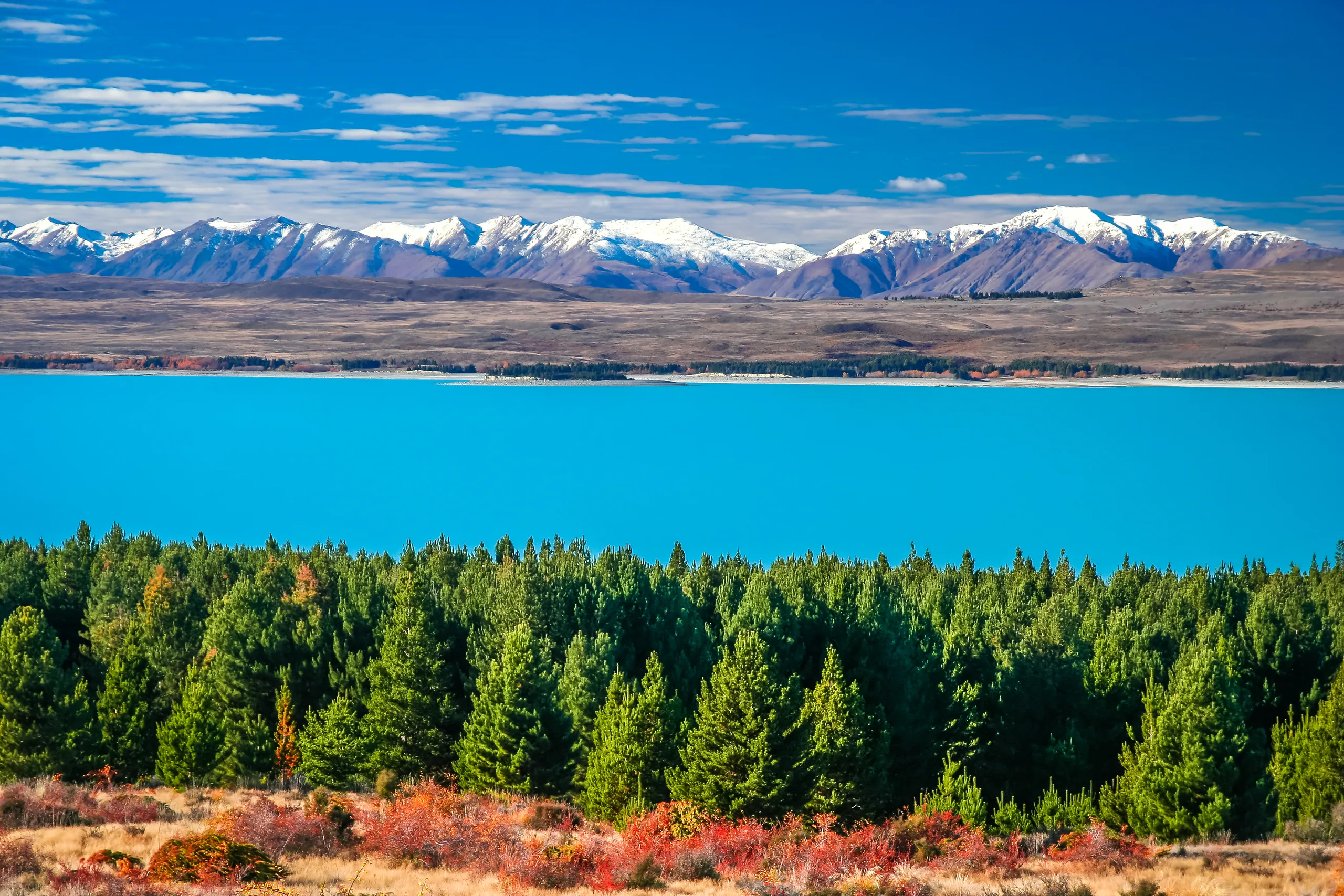
When to go
Te Anau has four genuinely different seasons and the right answer depends on what you’re here for.
November to March (summer). Long daylight (sunset past 9:30pm in late December), warm temperatures (high teens to mid-twenties Celsius), all walking tracks open, and the most reliable Milford Road conditions. Also the busiest. Tourism New Zealand and Destination Fiordland consistently flag November to March as peak season, with December to February the tightest window. Te Anau accommodation can book out months ahead in those months as Milford Sound day-trippers, coach tours, and self-drive visitors all converge on the town, so reserve well in advance. Sandflies are at peak strength near the lake and forest edges, so pack repellent.
April and May (autumn). Quieter, often beautiful. Beech forest doesn’t change colour but the deciduous willows around town do. Cooler nights (single digits). Most operators still run full schedules. A genuinely good time to come if you can be flexible on weather.
June to August (winter). Cold, short days, real road risk on the Milford Road (it sits in an active avalanche zone). The town is much quieter. Snow on the peaks is reliable. Some shorter Kepler day-walks are still doable in good conditions but the high ridgeline is closed. If you’re driving in winter, plan extra time and carry chains. Most people take a coach to Milford in this season.
September and October (spring). Erratic. Sunshine one hour, sleet the next. Trails reopen in stages from late October. A good time for the lake on a calm morning, less good for committing to a multi-day walk.
A note on rain: Te Anau itself gets around 1,200 mm of rain a year, less than half what Milford Sound gets only 120 km away. It can be raining in Milford and sunny in Te Anau on the same day. Don’t let a bad Te Anau forecast cancel your Milford cruise without checking.
Why Te Anau is the smart base for Milford
There’s a reason every experienced Milford visitor we know stays in Te Anau the night before. It comes down to time and weather.
The drive from Queenstown to Milford is four hours one way, eight hours of driving in a day. Add a two-hour cruise, lunch stops, and the Homer Tunnel queue, and you’re looking at a 13-hour day from a Queenstown hotel. From Te Anau it’s a relaxed two-hour drive, you can leave at 7am and be on a 9:30 cruise, and the side-stops on the Milford Road (Mirror Lakes, Eglinton Valley, Lake Gunn, Chasm Walk) actually fit in the day.
Te Anau is also the last place with mobile reception, fuel, and a supermarket before you head into Fiordland. If the weather is marginal, you can wake up, check the forecast, and rebook. From Queenstown you’re already three hours into your day before you know what the fjord is doing.
Skip this if…
A few honest cases where Te Anau isn’t the right call:
- You’re only in New Zealand for a week, your time is short, and you’ve decided to fly-cruise-fly Milford from Queenstown. In that case Te Anau is a detour you don’t need.
- You want restaurant variety, bars, or anything resembling a nightlife scene. The town genuinely closes early.
- You’re chasing the snow. Queenstown and Wānaka are better winter bases for skiing. Te Anau has neither a ski field nor easy access to one.
- You hate sandflies more than you love mountains. Te Anau has both in abundance.
The practical stuff nobody mentions
A short list of things that will save your day:
- Cell coverage thins fast. Te Anau itself has reasonable Spark and One NZ coverage. Within 20 km of town heading toward Milford, it disappears. Download maps, your cruise tickets, and any music you’ll need.
- Supermarket is the FreshChoice on Milford Crescent. Stocks well, closes at 8pm. Last stop before you head into the park.
- Sandflies live by the lake. Long sleeves at dusk near the water. The town centre is fine.
- Fuel up before Milford. There is no fuel at Milford Sound. The Te Anau Mobil and Z stations are your last chance.
- Restaurants book out in summer. Redcliff, Miles Better Pies (lunch only), and the Fat Duck are the town’s best-known spots. If you want to eat at Redcliff in January, book at least a day ahead.
- ATMs are at the BNZ and Westpac only. Carry a small float for huts, donations, and the wildlife sanctuary.
- Walking tracks have intentions books. If you’re solo-day-walking the Kepler or anywhere in the park, sign in at the DOC visitor centre on Lakefront Drive. It’s a 30-second courtesy that matters if anything goes wrong.
Stay one night and you’ll wish you’d stayed two. Plan two from the start and you’ll have one of the better stops on your South Island trip. Pair with our 7-day South Island itinerary for the wider route plan.
Top things to do in Te Anau: Your gateway to Fiordland and Milford Sound
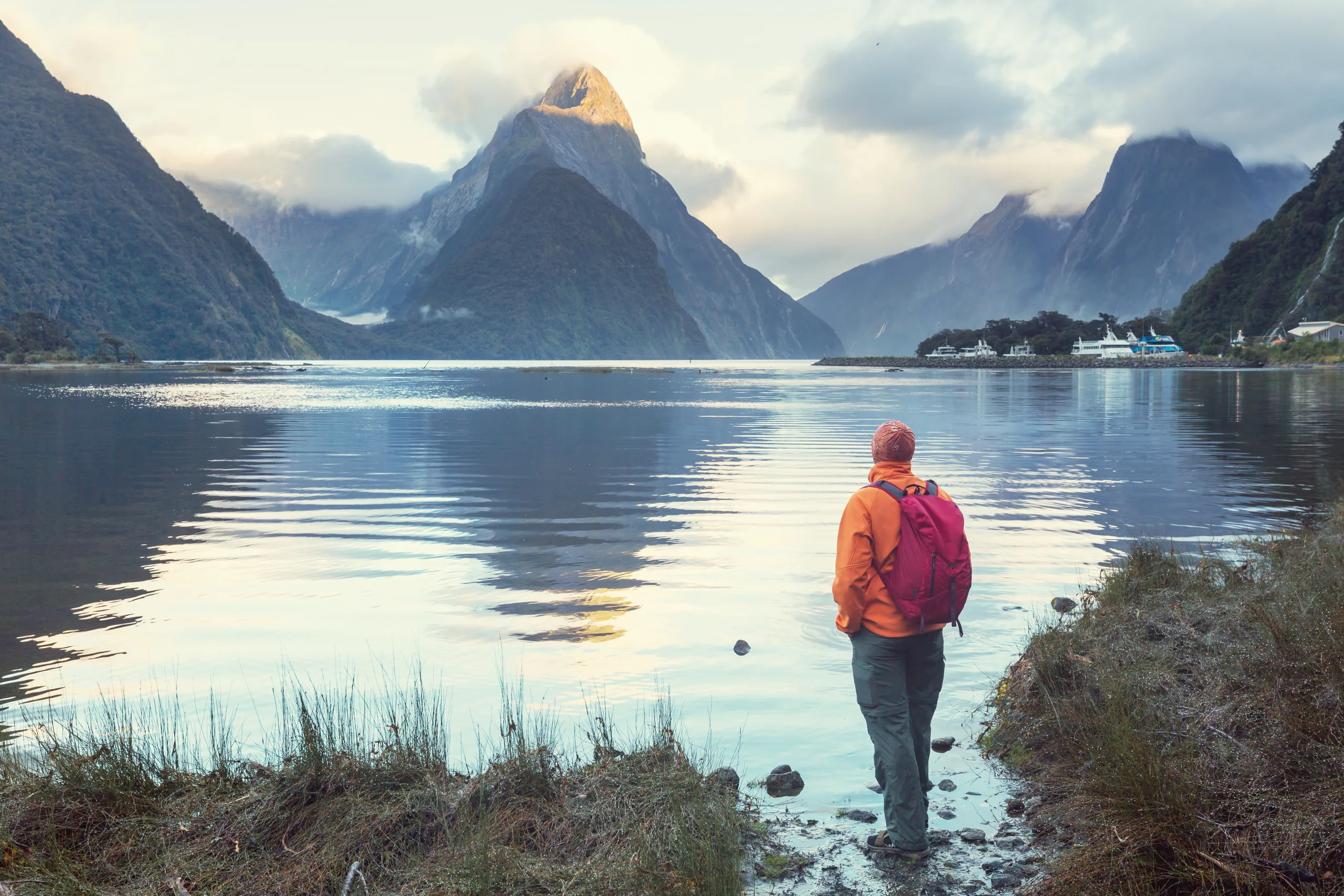 Full day (cruise itself: 1h45m–2h30m)
 Milford Sound: an honest visitor's guide
What you need to know about visiting Milford Sound: which cruise is worth it, how to get there from Queenstown or Te Anau, and what the brochures skip.
 Full day (8h day cruise) or 24h overnight
 Doubtful Sound: Fiordland's Sound of Silence
Doubtful Sound is bigger, quieter and more remote than Milford. An overview of the day cruise and overnight options and what each experience involves.