
Auckland: Your honest first stop in New Zealand
Honest guide to Auckland for international visitors: how long to stay, what's worth doing, where to base yourself and when to skip ahead.
Should you go? (or: “How long does Auckland deserve?”)
Almost certainly yes, because if you’re flying in from anywhere outside Australia you don’t really have a choice. Auckland Airport handles the bulk of international arrivals, and unless you’re doing the rare Christchurch direct, your New Zealand trip starts here whether you planned it or not.
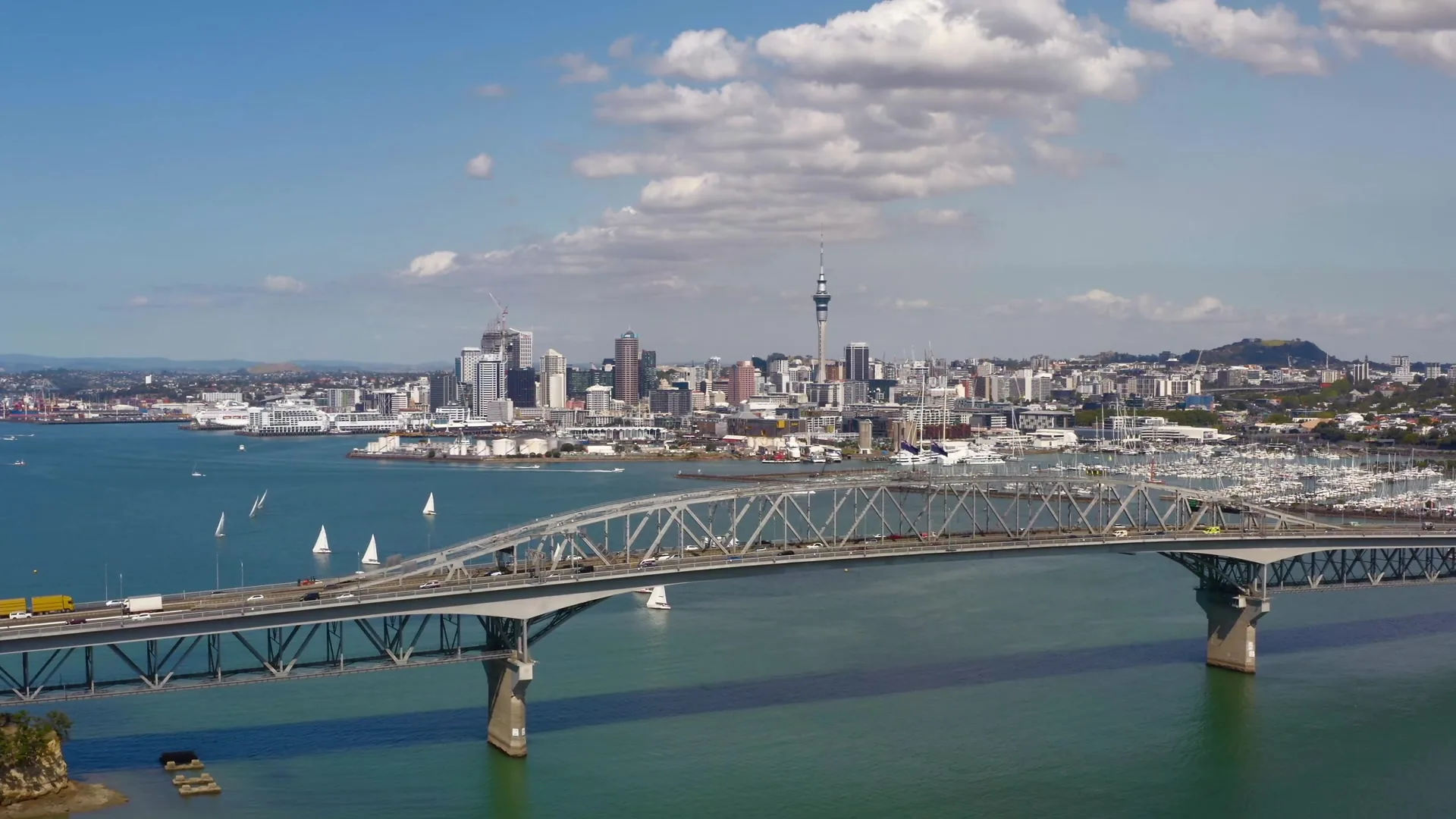
The more useful question is how long. Auckland is a good city, not a great one. It has a stunning natural setting (two harbours, 53 volcanic cones, islands on the doorstep), genuinely strong food and coffee, and a couple of half-day trips that punch above their weight. It also has traffic that punishes the unfamiliar, a CBD still finding its feet after years of City Rail Link construction, and a habit of underwhelming travellers who arrived expecting Sydney or Vancouver.
Our honest answer: two to three nights for most international visitors. One night if you’re young, fit, and racing south. Three nights if you’re recovering from a long-haul flight, have kids, or want both a city day and a Waiheke or west coast day. Anything beyond three nights and you’re spending time in Auckland that would be better spent in the Bay of Islands, Rotorua, or on a flight to Queenstown.
The trap most travellers fall into is treating Auckland as a “see the country” base. It’s not. Distances from Auckland to the headline NZ experiences are large (Rotorua is 3 hours, Wellington a full day, Queenstown an entire travel day with a flight). Treat Auckland as a soft landing and a harbour day. Then leave.
Getting there and getting around
From the airport
Auckland Airport (AKL) sits about 21 km south of the CBD, in the suburb of Mangere. Three realistic ways into town:
- AirportLink bus + train is the cheapest. AirportLink runs frequently to Puhinui Station, then a Southern Line train into Britomart in the CBD. Total time around 50 to 70 minutes depending on connection. AT HOP card recommended for cheaper fares.
- SkyDrive coach runs a direct service to several downtown stops including the Sky Tower and major hotels. Slower than a car in heavy traffic but cheaper than a taxi and simpler than the train transfer.
- Uber or taxi is fastest in light traffic and roughly 35 to 50 minutes to the CBD. In peak hour, allow 60 to 75 minutes and don’t be surprised at the fare. Worth it after a 14-hour flight. Full options in our airport transfers guide.
A note on timing: the City Rail Link is scheduled to open in 2026 after construction delays, with a progressive opening through the year. It adds new underground stations at Te Waihorotiu (mid-town), Karangahape and Aotea, and converts Britomart from a dead-end terminus into a through-station. Expect shorter travel times from the western and southern suburbs into the city centre once it’s running.
Public transport, walking, and Uber
Inside the city, you have three useful modes:
- Walking. The CBD, Britomart, Wynyard Quarter, Viaduct, Karangahape Road (K Road), and Ponsonby are all walkable from each other if you’re willing to put in 20 to 30 minutes between neighbourhoods. The harbour walk is genuinely lovely.
- Buses and ferries. Auckland Transport runs both. An AT HOP card is essential if you’ll use it more than twice. Ferries from the downtown Ferry Building to Devonport, Waiheke, Rangitoto, and a handful of other points are the best way to see the city.
- Uber. Cheaper than most international travellers expect, and the best way to get to Ponsonby or K Road after dinner. Auckland traffic at peak times will eat your evening though, plan around it.
Driving in central Auckland is mostly painful. If you’re collecting a hire car or campervan for the wider trip, pick it up on the way out of the city, not on arrival. Most rental depots are near the airport. You don’t need (or want) a car for your Auckland days.
Top things to do
Sky Tower and the Viaduct
The Sky Tower is the obvious thing and worth doing once, especially if it’s your first night and you want a quick map of the city in your head. 328 metres tall, with an observation deck across Levels 51, 53 and 60, a glass-floor section that some travellers find more unsettling than they expect, and the SkyWalk and SkyJump experiences if you want to walk around the outside or jump off it. Standard admission runs around NZ$47 adult, $32 child (10 to 14), $25 child (3 to 9), $125 family. The SkyJump sits around NZ$160 per adult, with SkyWalk packages similarly priced. Always check the current SkyCity site rather than older blogs.
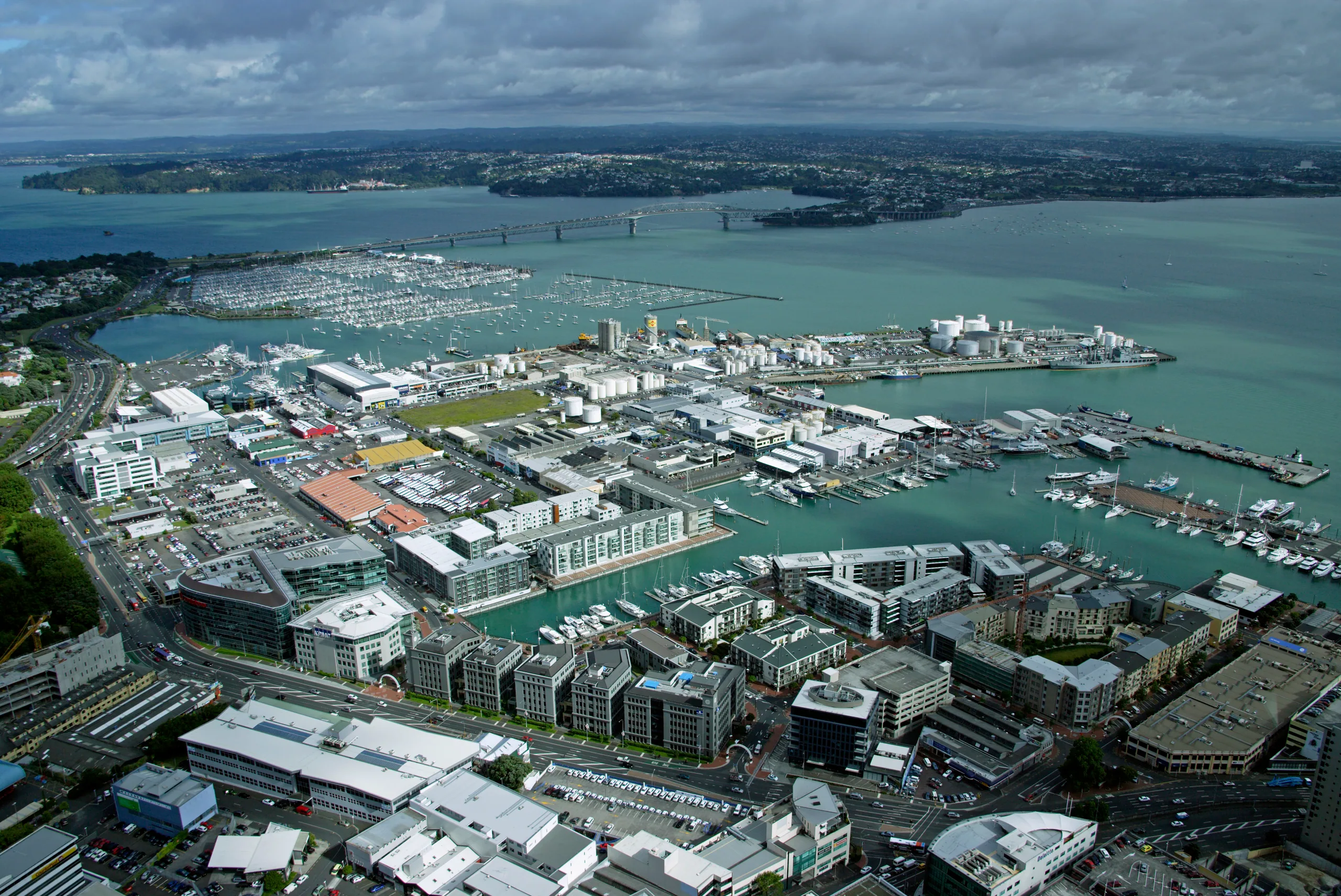
Below the tower, the Viaduct Harbour and Wynyard Quarter make for a good early-evening walk. Bars and restaurants line the water. Not the most authentic Auckland but the most photogenic on a calm night.
Waiheke Island day trip
If you do only one out-of-city thing, do this. The Fullers360 passenger ferry from downtown takes about 40 minutes and runs frequently. Allow around NZ$60 to $70 return per adult at current fares (check Fullers360 for live pricing). Waiheke has more than two dozen vineyards, several genuinely good restaurants (Mudbrick, Cable Bay, Tantalus, Casita Miro are the names you’ll hear repeatedly), Onetangi and Palm Beach for swimming, and a hop-on hop-off bus that makes a no-car day easy.
The honest read: Waiheke is touristy and the wine is good but not always exceptional. What you’re paying for is the day on the water, the views, and lunch at a vineyard with the city across the gulf. Worth it.
Devonport ferry and North Head
The cheapest, best, lowest-effort Auckland experience: a return ferry to Devonport (about 12 minutes each way, around NZ$18 to $20 return per adult on Fullers360), a walk through the heritage village, and a climb up Maungauika / North Head for 360-degree views over the harbour, Rangitoto, and the city skyline. Allow half a day and pack lunch from one of the cafes on Victoria Road. If you only have one afternoon in Auckland, do this.
Mt Eden (Maungawhau) and One Tree Hill (Maungakiekie)
Auckland is built on volcanoes, and the volcanic cones make for the city’s best free viewpoints. Mt Eden is the most accessible. Park or bus to the base, walk up in 10 to 15 minutes, and at the summit you’ll get a full 360 view of the city, both harbours, and (on a clear day) Rangitoto and the Waitakeres. Vehicles are no longer allowed to drive to the summit, which has improved the experience.
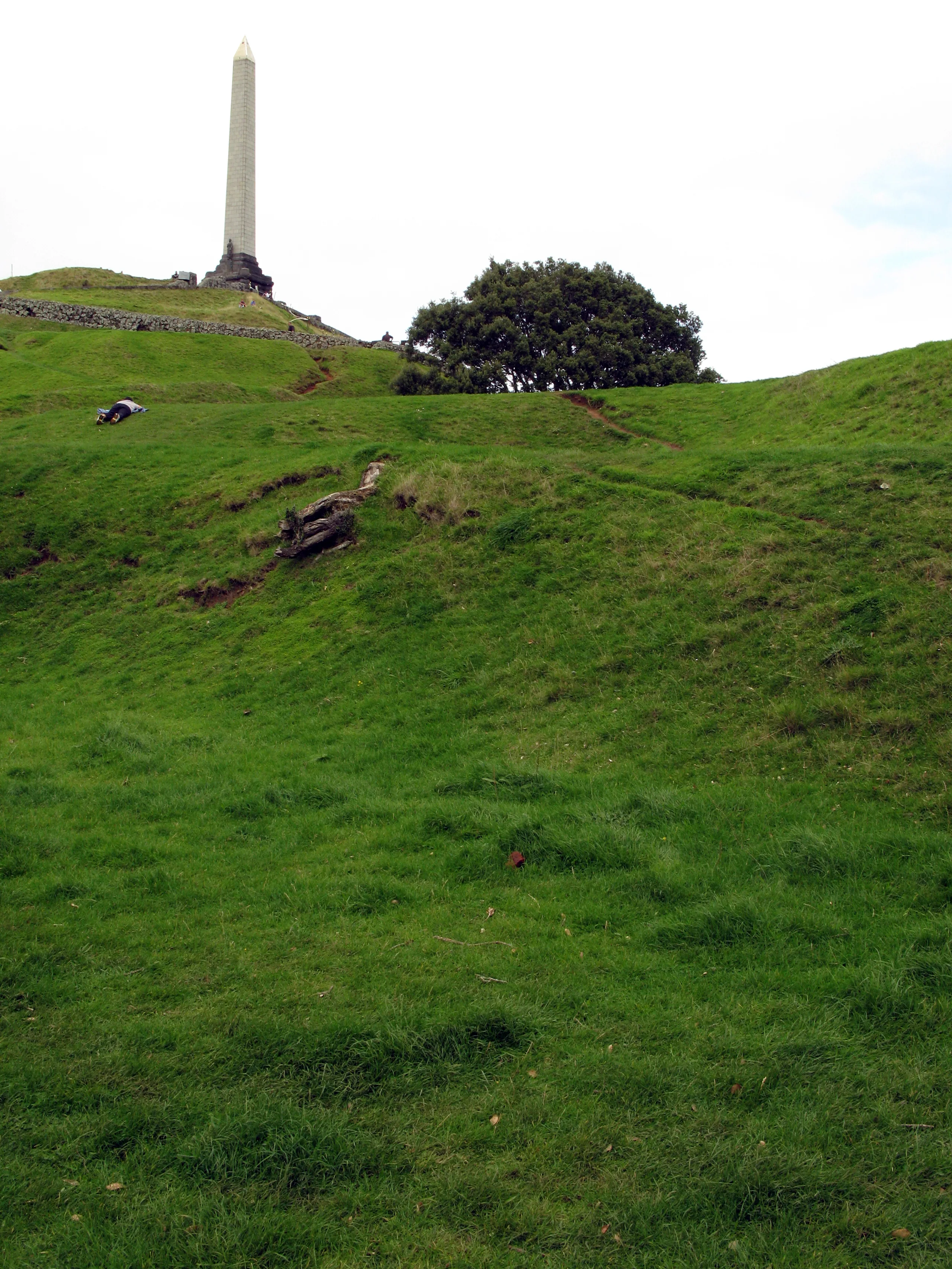
One Tree Hill (Maungakiekie) sits in the larger Cornwall Park, with grazing sheep, a network of paths, and the obelisk at the summit. Quieter than Mt Eden, with more reason to linger. Both cones are sacred Maori sites; tread respectfully.
West coast beaches (Piha, Karekare, Bethells)
A 45-minute drive west of the CBD, through the Waitakere Ranges, takes you to a coastline that feels nothing like the city. Piha, Karekare and Bethells Beach (Te Henga) are wild black-sand surf beaches with iron in the sand (it’ll stick to a magnet) and a moodier atmosphere than anything on the east coast.
Three honest cautions:
- Large parts of the Waitakere Ranges are still under kauri dieback protection. Many older bush tracks remain closed; a growing network of upgraded, kauri-safe tracks (boardwalks, drainage, cleaning stations) has reopened around Karekare, Piha, Mercer Bay, Omanawanui and Karamatura. Status changes often, so check the Auckland Council track status page before you go and obey all closures (fines apply).
- The rips are real. Swim only between the flags, in summer, during patrolled hours. Walk and surf otherwise.
- You need a car or a tour. Public transport doesn’t reach the west coast.
Hauraki Gulf islands (Rangitoto, Tiritiri Matangi)
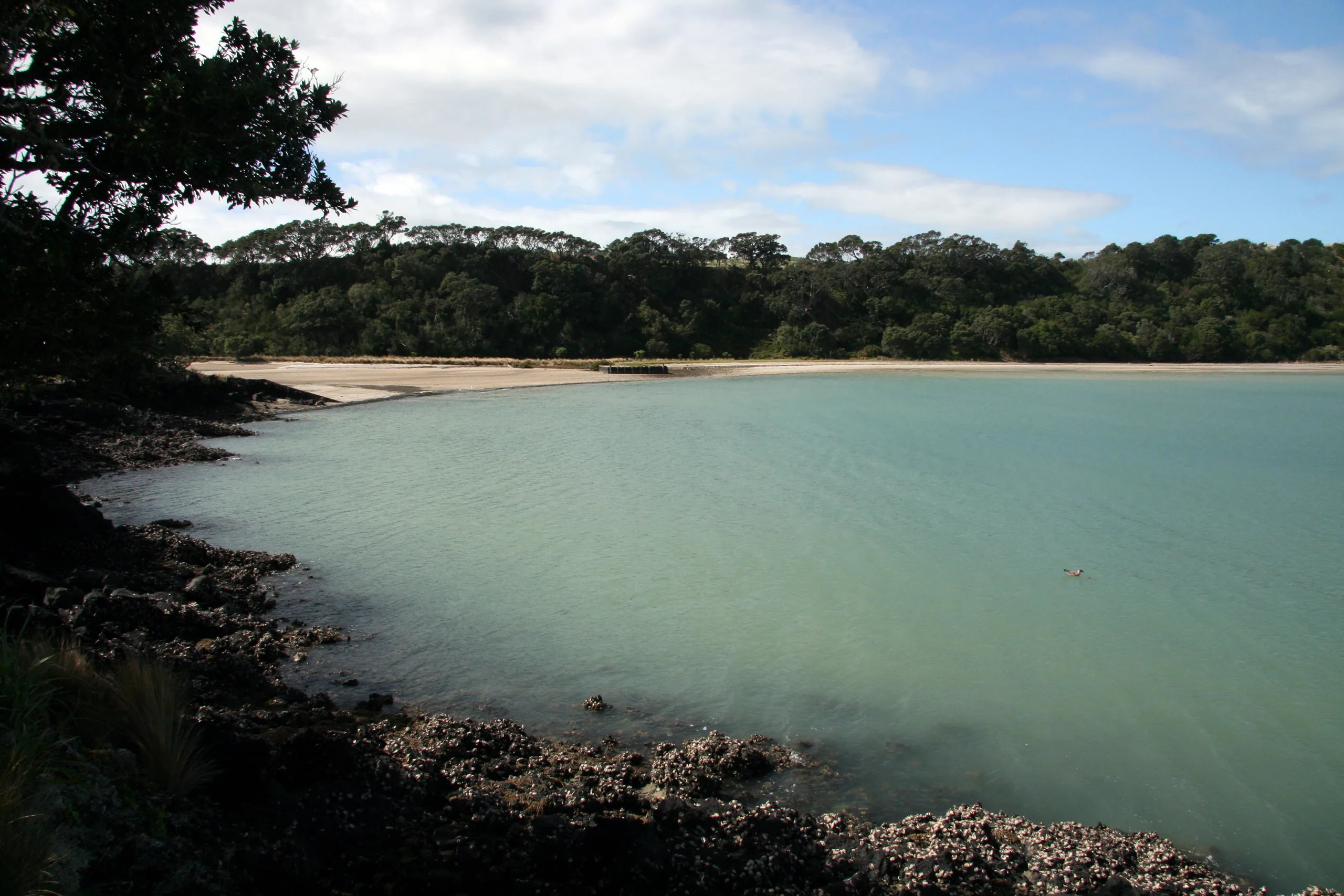
Rangitoto is the perfect volcanic cone you can see from almost every Auckland viewpoint. Ferry across (about 25 minutes), walk to the summit in around an hour each way, and you’ll get one of the best harbour views available. Bring water and sturdy shoes; the track is uneven lava rock and there’s no shade.
Tiritiri Matangi is the higher-effort, higher-reward pick. A predator-free, DOC-managed open wildlife sanctuary northeast of Auckland, it’s one of the few places near a major city where you’ll reliably see takahe, kokako, tieke, and tui in the wild. The ferry runs only a few days a week from downtown Auckland (also Gulf Harbour), with strict biosecurity checks on departure. Expect around NZ$80 to $100 return per adult, more with a guided walk. Visitor numbers are capped, so book well ahead, especially in summer. If you care about NZ birds at all, prioritise this over a second city day.
Where to eat and drink (Ponsonby, K Road, Britomart)
Auckland’s food scene is genuinely strong and gets underplayed in international coverage. Three neighbourhoods do the heavy lifting:
- Ponsonby (about 2 km west of the CBD) has the city’s best concentration of restaurants, cafes and small bars. Ponsonby Central is a covered food hall with a half-dozen good options under one roof. Spend a long lunch here and you’ll understand the city better.
- Karangahape Road (K Road) is the alternative scene: late-night bars, dive-y restaurants, a strong queer culture, and the best of Auckland’s non-Western food. Cheaper than Ponsonby, less polished, more interesting.
- Britomart is the CBD’s polished dining quarter, all converted brick warehouses. Best for evening dinners after a city day, especially with a harbour ferry to catch.
Standout food categories to seek out: Pacific Island and Maori fusion (Kingi at the Hotel Britomart, Hiakai if you’re heading to Wellington next), modern NZ (Cocoro, Cassia, Amano), brunch and coffee (Auckland’s flat white culture is comparable to Melbourne’s, anywhere in Ponsonby will work), and dumplings (Eden Noodles or anywhere on Dominion Road for cheap, excellent Chinese).
The price point: Auckland restaurants are not cheap by international standards. A casual dinner with a glass of wine will land you in NZD $50 to $80 per person territory. A nice dinner, more.

Where to stay
Pick a neighbourhood, not a star rating. Auckland is a city of distinct pockets and your stay will be defined more by where you are than how nice the room is.
CBD and Britomart (best for first-timers)
Stay here if you want to walk everywhere, catch a ferry without a taxi, and roll out of bed onto Queen Street. Hotel Britomart is the standout (NZ’s first 5 Green Star hotel, beautiful design, excellent ground-floor restaurant). SO/ Auckland, QT Auckland, and The Hotel Britomart sit at the top end. CityLife Auckland, The Sebel Quay West, and the various M Social and Voco properties cover the middle. Most international chains have a tower here too.
Trade-off: the CBD is the loudest, most touristy slice of the city. Some streets are still affected by City Rail Link works as the project moves through its final pre-opening phase in 2026.
Ponsonby (best for food-led travellers)
A 15-minute walk or 5-minute drive from the CBD, Ponsonby is leafier, lower-rise, and full of restaurants. The Convent Hotel is the standout boutique stay. Hotel Ponsonby and a handful of smaller B&Bs and Airbnbs round out the options.
You’ll need to walk or Uber to ferries, which costs you if you’re doing two day trips. But for travellers who want a neighbourhood feel and the best dinner radius in the city, Ponsonby is the pick.
Devonport (best for slow travellers)
A 12-minute ferry from the CBD and you’re in a heritage village with Victorian shopfronts, two extinct volcanoes to climb, and a slower pace. The Esplanade Hotel and Peace and Plenty Inn are the two best-known stays.
The catch: you’ll add 30 to 60 minutes to every day trip because everything starts from downtown. Worth it if you’ve already seen big cities and want a softer Auckland.
When to go
Auckland is New Zealand’s main international gateway, with roughly 70 to 75% of international arrivals landing at AKL first. Tourism New Zealand and MBIE data consistently show the average international stay in Auckland clusters around 2 to 3 nights, with many visitors using it as a bookend at the start and end of a wider tour. The “soft landing then move on” pattern is the norm, not the exception.
Auckland’s weather is mild and changeable year-round. There’s no bad month, just trade-offs.
- December to March (summer) is the obvious pick. Long daylight, warm but rarely hot (mid-20s Celsius on average), and the harbour at its best. Also the busiest and most expensive period. Book Waiheke and Tiritiri ahead.
- April and May (autumn) are quieter, still warm enough, and one of the best windows for the west coast beaches without crowds.
- June to August (winter) is wet and windy but rarely cold. Auckland doesn’t get snow. The city food scene shines in winter and accommodation is cheaper.
- September to November (spring) is mixed but improving. Late November onwards is the sweet spot if you want summer-ish weather without peak prices.
A note: Auckland Anniversary Weekend (late January) and Waitangi weekend (early February) bring the city to a standstill in a good way, with regattas, festivals and packed harbours. Worth timing around if you can.
Skip this if…
We don’t say everyone should linger in Auckland. A few honest reasons to keep your stay short or skip altogether:
- You’ve got 10 days or fewer in New Zealand. One night max. The country’s headline experiences are nearly all elsewhere.
- You’re going straight to the South Island. Land at AKL, sleep one night, fly Queenstown or Christchurch the next morning. Don’t burn three days on a transit city.
- You’ve been to similarly sized harbour cities recently (Sydney, Vancouver, Cape Town, Wellington). Auckland will feel like a quieter, less polished version of those, and you’ll wish you’d left earlier.
- You’re cruising into Auckland. The cruise terminal is in the CBD. A half-day on Waiheke or in Devonport is the right play. Don’t try to do the city and an island.
The practical stuff nobody mentions
A short list of things that will save you time, money, or mood:
- Get an AT HOP card on arrival. Available at the airport and most train stations. Cheaper fares on buses, trains, and ferries, and you’ll use at least one of those.
- Auckland traffic is uniquely bad for a city of its size. Peak hours run roughly 7 to 9am and 4 to 6:30pm. Plan ferry departures, airport runs, and west coast trips outside these windows where you can.
- The CBD has a slight homelessness and rough-sleeping issue around Queen Street and parts of K Road. It’s safe but visible, and surprises some first-time visitors expecting a sanitised Sydney. Use normal big-city awareness.
- Tap water is excellent and free everywhere. Don’t buy bottled water unless you have to.
- Sundays are quieter than you’d expect. Many smaller restaurants close, ferries run lighter schedules, and shop hours are shorter. Plan your Waiheke or Devonport day for Friday or Saturday if you can.
- The international airport is huge and the walk to the gate is long. Allow at least 2.5 hours for international departures, especially in peak season. The domestic terminal is a 10-minute walk or a free shuttle from the international one.
- You can leave luggage at the airport or at most CBD hotels even after check-out. Useful if you’re flying south late and want a full Waiheke day after check-out.
If you treat Auckland as a 48-hour soft landing with one harbour day, one neighbourhood food day, and a flight out, you’ll like it. Treat it as a 5-day base for “seeing New Zealand” and you’ll wonder why people rave about the country. The country is south. Auckland is the doorway. Combine with Hobbiton and Waitomo for the classic North Island day-trip pairing, or jump into the 10-day New Zealand itinerary.
Top things to do in Auckland: Your honest first stop in New Zealand
 45 minutes to 2 hours (longer for restaurants or SkyJump)
 Sky Tower Auckland: an honest visitor's guide
Is the Sky Tower worth it? An honest take on observation deck tickets, the glass floor, Orbit revolving restaurant, SkyWalk and the iconic 192m SkyJump.
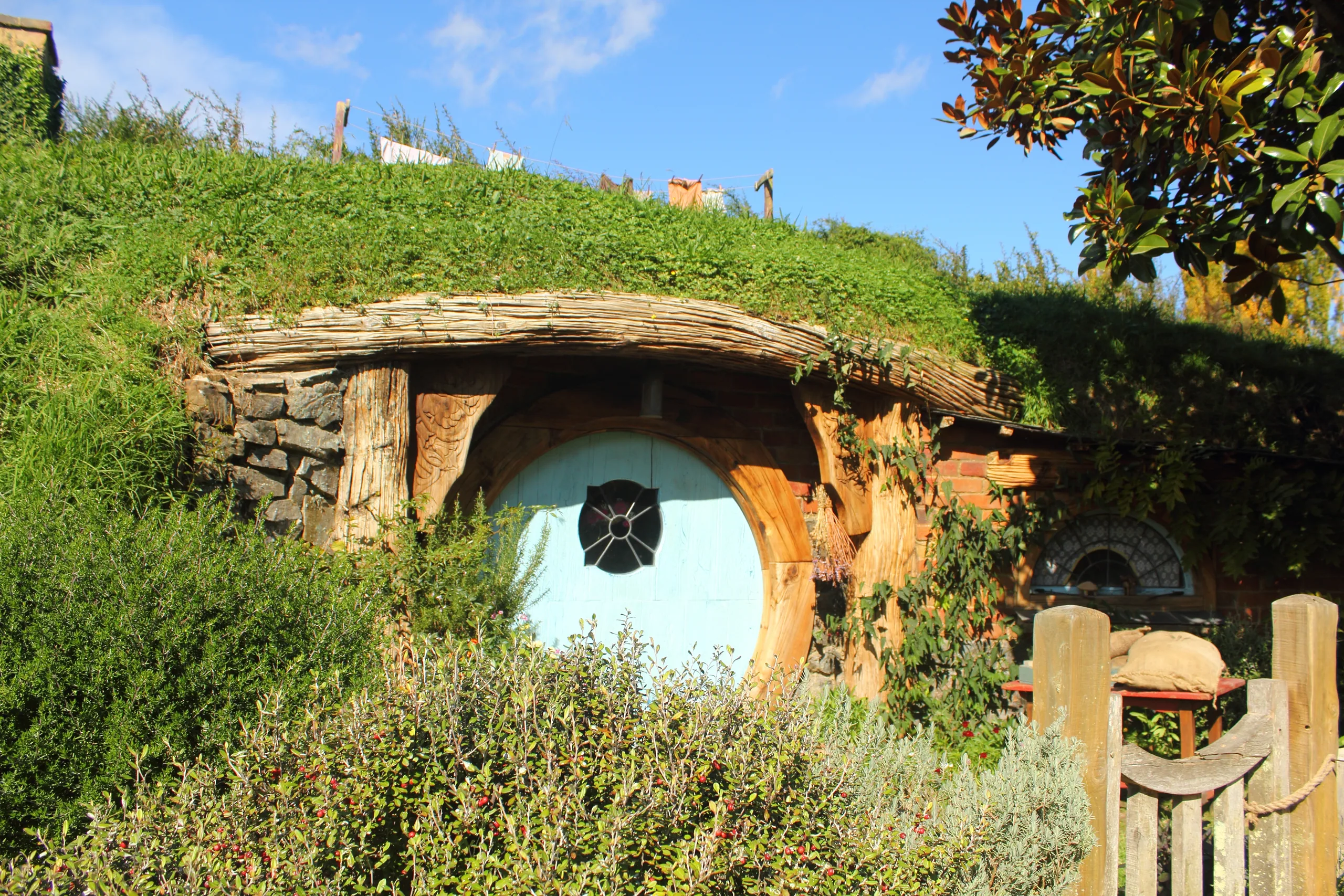 2h on-set tour; 3 to 4h including arrival and Shire's Rest
 Hobbiton Movie Set: visiting the Shire
An overview of visiting Hobbiton Movie Set at Matamata, including the tour options and how to get there from Auckland, Rotorua or Tauranga.
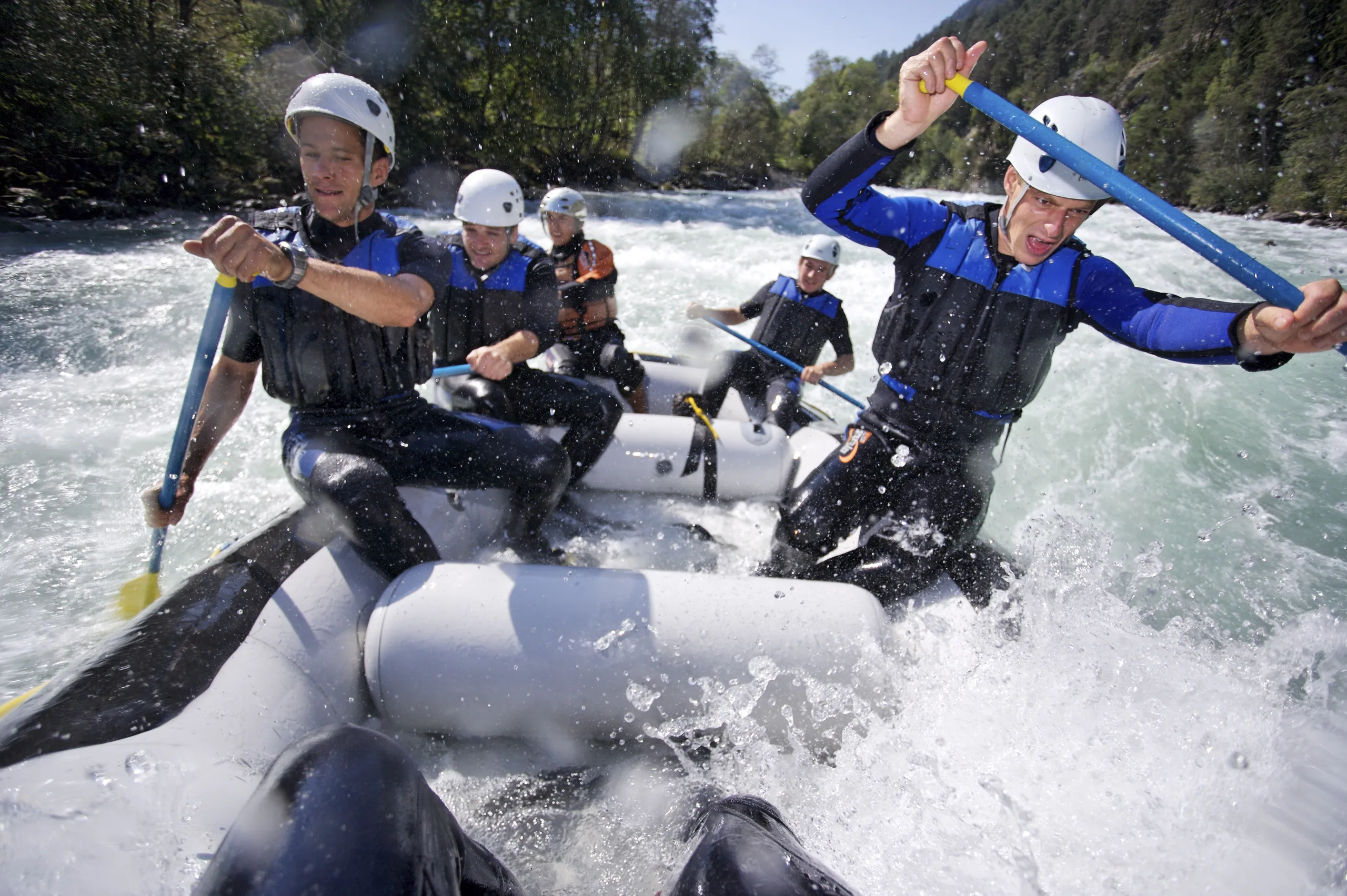 45 minutes (classic boat tour) to 5 hours (black water rafting)
 Waitomo Glowworm Caves: an honest visitor's guide
Which Waitomo tour is actually worth it. Classic boat tour vs Ruakuri vs black water rafting, plus how to get there from Auckland or Rotorua.