
Christchurch: The honest guide to New Zealand's Garden City
What you need to know about Christchurch: what's worth your time post-rebuild, how to use it as a South Island base, and the stuff most guides skip.
Should you go?
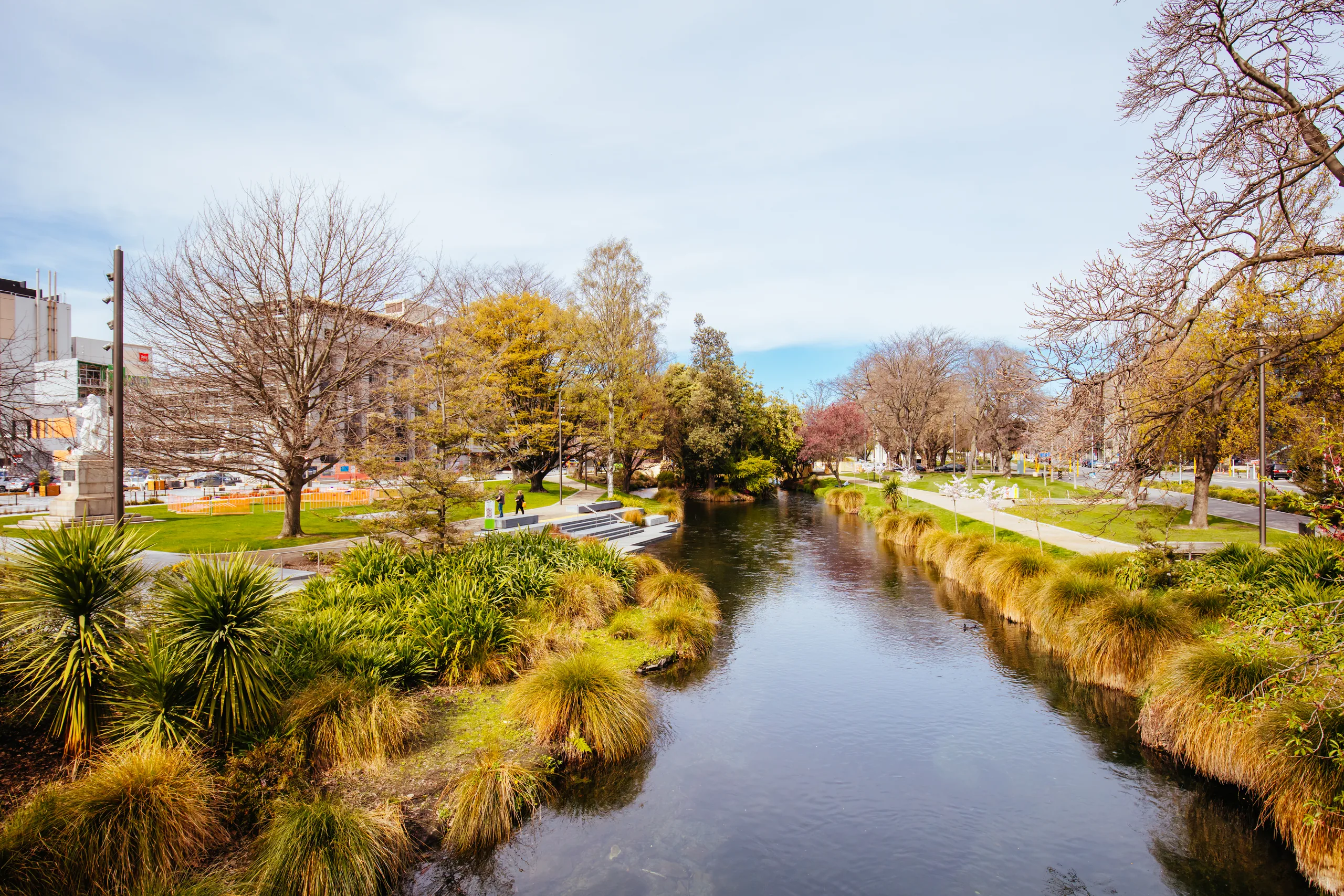
Christchurch is the most misunderstood city in New Zealand. If you arrived here in 2012 it was a building site with a wrecked cathedral at the centre and gravel lots where shops used to be. If you arrive now, fifteen years on, you’ll find a flat, walkable, surprisingly leafy city with a working tram, a revived riverside food market, new museums, and the Botanic Gardens you came for. You’ll also find, if you look, the unfinished business: the ChristChurch Cathedral still half-restored behind scaffolding, the occasional empty block where a building used to stand, the slightly too-new feel of some streets where character is still growing back in.
The honest answer to “should I go” depends on what you want from a city. If you’re treating Christchurch as a destination in its own right and comparing it to Queenstown or Wanaka for scenery, it will lose. The South Island puts most of its drama outside the cities. If you’re using Christchurch as a base, as a gateway to Banks Peninsula and the TranzAlpine, or as a recovery night between flights and long drives, it’s one of the easier cities in New Zealand to enjoy. Flat enough to walk or cycle anywhere. Green enough that you forget you’re in the centre. Quiet enough that you sleep well.
Two nights is the answer for most travellers. One if you’re just transiting. Three if you want Akaroa and the train without rushing. Don’t budget a week unless you have local family.
Getting there
Christchurch is the main international entry point for the South Island. For most overseas visitors and many domestic travellers, this is where the South Island trip actually begins.
From Auckland / Wellington (flights)
Christchurch International Airport (CHC) is the third-busiest airport in New Zealand. Flight time from Auckland is around 1h25m, and from Wellington roughly 50 minutes. Air New Zealand and Jetstar both run frequent daily services. Air New Zealand also flies regional routes into Christchurch from Nelson, Dunedin, Invercargill, and Queenstown.
International direct flights connect from Australia (Sydney, Melbourne, Brisbane, the Gold Coast) and Singapore. Long-haul travellers from Europe or North America typically connect via Auckland.
The airport sits about 12 km north-west of the CBD. Options into town:
- Public bus (Metro Purple Line). Cheap, runs every 30 minutes, around 30 to 40 minutes to the central bus interchange.
- Shuttle (door to door). Multiple operators with door-to-door pickup including Super Shuttle. Check the official operator sites for current fares.
- Taxi or rideshare. Around 20 minutes to the CBD outside peak hour. Cheaper as a group.
- Rental car. The big agencies all have desks at the terminal. If you’re starting a South Island road trip from here, pick up the car at the airport, not in town. See our full airport transfers guide.
From Queenstown (drive or flight)
The Queenstown to Christchurch corridor is one of the most-used routes in the South Island, and there are three honest ways to do it.
Fly. Multiple direct flights daily, around 1h20m. The cheapest and fastest if you don’t want the drive. Air New Zealand and Jetstar both fly the route. Sit on the left side flying south, right side flying north, for the Southern Alps views.
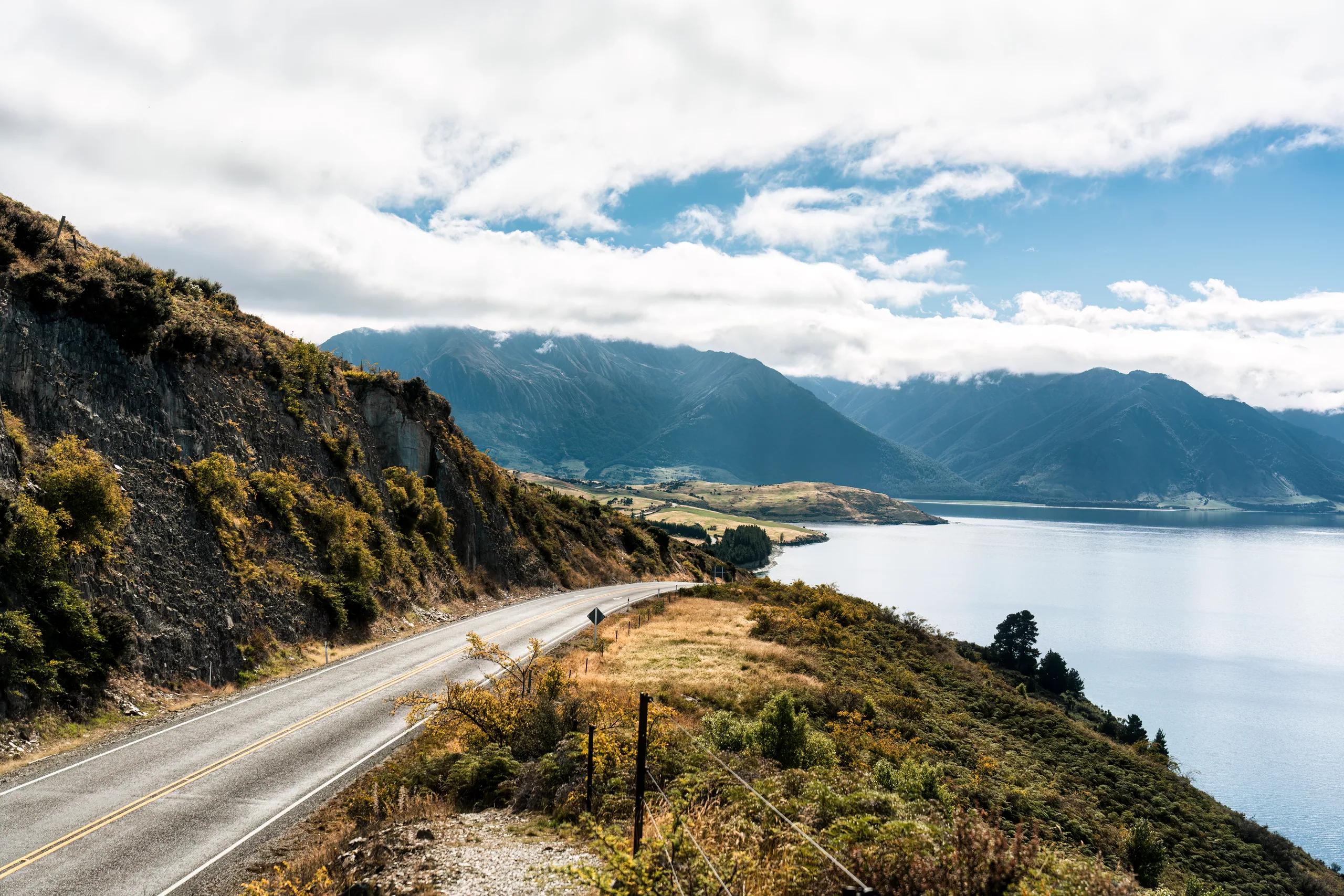
Drive (via Tekapo and Lindis Pass). The classic. 6 to 7 hours without major stops, realistically 8 to 9 hours with the photo stops you’ll actually take. The drive passes Lake Tekapo, the Mackenzie Basin, Lake Pukaki with Mount Cook in the distance, and the high tussock country of the Lindis Pass. If you’re not doing this drive at least once on a South Island trip, you’re missing the point of being there. Driving advice in our NZ driving guide.
Drive (via the West Coast). A two-day option via Wanaka, Haast Pass, the glaciers, and Arthur’s Pass. More scenery, more variety, more driving. Best as part of a longer loop.
Most travellers fly one way and drive the other. If you can only do one direction by road, do Christchurch to Queenstown via Tekapo. The light moving west is better, and the build-up of mountains as you approach Queenstown beats the reverse.
Drive times from Christchurch (rough, sealed roads)
- Akaroa (Banks Peninsula): 1h30m
- Kaikoura: 2h30m to 3h
- Tekapo: 3h
- Mount Cook village: 4h
- Arthur’s Pass village: 2h
- Greymouth (West Coast): 3h30m (or via the TranzAlpine train)
- Wanaka: 5h to 5h30m
- Queenstown: 6h to 7h
Top things to do
The honest shortlist. None of these require a full day on their own. Mix and match.
Hagley Park and Botanic Gardens
The thing to do if you only do one thing. Hagley Park is a 165-hectare green space wrapping the CBD, bisected by the Avon River. The Christchurch Botanic Gardens sit inside the park’s northern half. Free entry, open daily, well-marked paths, a strong rose garden, big old trees, a glasshouse complex, and a cafe. Allow two to three hours and bring something to sit on.
If you’re a runner or a cyclist, the loop around Hagley Park is one of the best urban routes in the country. Bike hire is available in town. In autumn (April to May) the colour is genuinely spectacular and worth timing for.
Cardboard Cathedral and Quake City
The original ChristChurch Cathedral in Cathedral Square has been under active reinstatement since around 2020 to 2021 and at the time of writing remains a working construction site, closed to normal worship and tourism inside. You can view it from Cathedral Square, where information boards explain the project, but you cannot enter. The Reinstatement Project’s most recent official updates indicate full reopening is still several years off, with completion now projected for the mid-to-late 2020s and complex seismic work and fundraising still in progress.
The Cardboard Cathedral (officially the Transitional Cathedral) was built in 2013 by Japanese architect Shigeru Ban using cardboard tubes, timber, and structural steel. It’s a working Anglican cathedral, free to enter, and a genuine architectural curiosity. Ten minutes inside changes how you think about temporary buildings.
Quake City (run by Canterbury Museum) is a small but very well-curated exhibition about the 2010 and 2011 earthquakes. Survivor stories, footage, salvaged objects, scientific context. It’s sobering, not exploitative, and the right way to understand what you’re walking through. Adult entry sits around NZD $20 with a small discount for students and seniors, but prices do shift while the museum is relocating facilities, so check the official site before you go. Budget about an hour — and check GeoNet for the current quake context.
Riverside Market and the Tram
Riverside Market is the city’s covered food market, opened in 2019 on the site of an older building lost in the quake. Multiple food stalls, fresh produce, coffee, decent wine bar, and rooftop seating. Best at lunch on a weekday, busy on weekends. Walk in from Oxford Terrace along the Avon and you’ll catch why people use the word “Garden City” without irony.
The Christchurch Tram is a restored heritage tram loop running through the CBD with on-board commentary. It’s tourist-orientated and not the fastest way to get anywhere, but the loop hits most of what you’d want to see in two and a half hours of hop-on hop-off, including the Cathedral Square, New Regent Street (a pastel-coloured 1930s pedestrian street worth a coffee stop), and the Botanic Gardens edge. An adult all-day pass now runs around NZD $40 to $45 with children under 15 typically around $10 alongside a paying adult, and combo tickets with the Gondola can bring the per-attraction cost down. Check the official site for current fares.
International Antarctic Centre
Right next to the airport, the International Antarctic Centre is the most family-friendly attraction in the city. Indoor storm room (down to minus 18C), Hagglund all-terrain ride, a little blue penguin enclosure, and exhibits on the science programmes Christchurch supports as the main gateway city for the United States, New Zealand, and Italian Antarctic operations. General admission is currently NZD $74 per adult (16+), $49 per child (5 to 15), with a family pass at $199; discounted tickets often appear on third-party booking sites.
It’s slightly cheesy in places and genuinely educational in others, and kids tend to leave happy. Adults without kids will get an hour out of it. Combine with arrival or departure day since you’re at the airport anyway.
Akaroa day trip (volcanic harbour, French settlement)
Akaroa, 90 minutes south-east on Banks Peninsula, is the standout day trip from Christchurch. The harbour sits inside the flooded crater of an extinct volcano. The village was settled by French colonists in 1840 and still trades on the connection (street names like Rue Lavaud, a small French heritage museum, a couple of bakeries that lean in). The drive over the hill from Hilltop with the harbour opening up below is one of those views you stop the car for.
What to actually do in Akaroa:
- Harbour cruise to see Hector’s dolphins, the world’s smallest and rarest marine dolphin, found almost nowhere else. Black Cat Cruises is the long-running operator and the reliable choice. Around two hours on the water.
- Swim with the dolphins (also Black Cat). Wetsuits supplied. Weather-dependent and not always running. Verify before booking.
- Walk the Akaroa village waterfront and the harbour walking tracks. The Stony Bay Peak walk is the bigger option if you want a half-day of altitude.
- Eat. Cheese shop, bakery, a couple of good seafood spots on the wharf.
Drive yourself or take an organised shuttle from Christchurch. If you don’t have a car, the shuttle plus cruise combo is the simplest way to do it as a one-day round trip.
TranzAlpine to Greymouth
The TranzAlpine is the rail journey from Christchurch to Greymouth across the Southern Alps. Four hours fifty minutes one way, run by Great Journeys NZ (the rebranded KiwiRail Scenic). The route climbs across the Canterbury Plains, into the Waimakariri river gorge, over Arthur’s Pass, and down through beech forest to the West Coast. Open-air viewing carriages between the seated cars give you somewhere to stand and feel the air change as you climb.
Two ways to do it:
- Day return. Christchurch to Greymouth and back the same day. About an hour in Greymouth (which is enough). Long day. The train is the point, not the destination.
- One-way. Christchurch to Greymouth, pick up a rental car, drive the West Coast (glaciers, Hokitika, Punakaiki). The smart move if you’ve got the time.
Book a window seat. Right side of the train going west, left going east, for the best mountain views. Bring a jacket for the open-air carriages even in summer.
Where to stay
The honest version of the neighbourhood map:
- CBD (Central Business District). Best for first-time visitors. Walking distance to the tram, Cathedral Square, Riverside Market, Hagley Park, and the Botanic Gardens. The rebuild has made the central streets quieter than they used to be, which some people love and some find a bit too quiet at night. Hotels here range from new four-star towers to budget hostels.
- Merivale. A leafy, slightly upscale neighbourhood about a 20-minute walk north of the CBD. Good cafes, a small high street, easy access to Hagley Park and the Botanic Gardens. Quieter than the CBD, often nicer for couples and longer stays.
- Riccarton. West of the centre, near Westfield Riccarton mall, Hagley Park’s western edge, and the airport corridor. More motels and chain hotels, generally cheaper, less walkable to the CBD but better positioned for the airport.
- Sumner / New Brighton (beachside). A 25-minute drive east of the CBD. Beach suburbs with a different feel. Good for families who want a pool, a beach, and a slower pace, but you’ll need a car.
- Near the airport. Useful for arrival or departure nights. Cluster of hotels around the terminal, easy shuttle in. Don’t stay here for the city itself.
For most two-night stays, CBD or Merivale is the answer.
When to go
Christchurch is a four-season city with a continental edge, sheltered from the prevailing westerlies by the Southern Alps.
December to February (summer). Long daylight, warm dry weather, peak tourist numbers, peak prices. Tourism New Zealand and ChristchurchNZ data show this is Canterbury’s clear visitor peak, with the highest international and domestic numbers landing between late December and late January as Northern Hemisphere travellers escape winter and Kiwis take their summer break. Good for the Botanic Gardens and outdoor everything. Book accommodation ahead, especially around New Year and Cricket test matches at Hagley Oval.
March to May (autumn). The best season in our view. Cooler nights, stable weather, fewer crowds, and Hagley Park in autumn colour. Late April is often the visual peak. November and March act as shoulder months in the regional visitor data, with strong weather and slightly easier pricing than peak summer, plus secondary spikes around Easter and NZ school holidays.
June to August (winter). Crisp, often clear, sometimes foggy mornings, the occasional dusting of snow on the Port Hills. Indoor attractions (Quake City, Antarctic Centre, Canterbury Museum) come into their own. Ski day trips to Mount Hutt are possible (90 minutes drive). Pack a real coat.
September to November (spring). Variable. Daffodils in Hagley Park, lengthening days, but also the nor’wester wind that can hit hard and hot. Shoulder pricing. Often quietly excellent.
Avoid Cup and Show Week in November if you want a quiet city. Avoid the week between Christmas and New Year if you want anything to be cheap.
Skip this if…
We don’t think every traveller needs to spend a night in Christchurch. A few honest reasons to skip or shorten:
- You have one week in New Zealand and you’re flying into Auckland and out of Queenstown. You can fly direct to Queenstown and skip the city entirely. The South Island scenery starts west of here.
- You’re a fjord-and-mountain traveller with limited time. Christchurch is a city. The case for it is gentle, not dramatic. Use the days in Wanaka instead.
- You’ve already done a similar mid-sized commonwealth city recently (Adelaide, Wellington, Hobart) and you’re not going to get a strong contrast.
- You’re allergic to ongoing construction visuals. Pockets of the central city still feel mid-renewal.
Reasons not to skip:
- You’re flying transpacific and you want one night to recover before driving.
- You’re doing the TranzAlpine or Akaroa.
- You have kids and you want a flat, safe, walkable city for a couple of nights.
- You’re interested in earthquake recovery, urban regeneration, or contemporary New Zealand architecture. Quake City alone justifies a day.
The practical stuff nobody mentions
A short list of things that save your visit:
- The city is flat and bikeable. Christchurch has more bike infrastructure than any other New Zealand city. Hire a bike for a day and you’ll see twice as much for less money than the tram.
- Restaurants close earlier than you’d expect. A lot of the CBD’s better kitchens stop seating by 9pm on weeknights. Book for 7pm to 7.30pm if you want a relaxed meal.
- Sunday trading is partial. Some CBD shops still open late or stay closed on Sundays. Supermarkets and the malls in Riccarton and Northlands run normal hours.
- The Port Hills are right there. Twenty minutes from the CBD and you’re on top of the hills with a view across the city, the Pacific, and the Canterbury Plains to the Southern Alps on a clear day. The Sign of the Kiwi and the Summit Road are easy by car.
- Earthquake awareness is part of daily life. Most new buildings are obviously seismically engineered. If you feel a small shake, locals barely react. Aftershocks have been minor for years but the country is seismically active and a small jolt is not unusual.
- The Avon River loops everywhere. Almost every CBD walk crosses it at some point. Punt rides from the Antigua Boat Sheds are touristy and surprisingly enjoyable. A shared 30-minute adult punt runs roughly NZD $35 to $40, with children around $15 to $20. Check the official site for current tariffs.
- Distances are deceiving. “Just down the road” in Canterbury can mean two hours. Mount Cook from Christchurch is four hours each way. Don’t try to do it as a day trip unless you really know what you’re signing up for.
If you treat Christchurch as a destination, you’ll come away mildly underwhelmed. If you treat it as a doorway, a base camp, and a city to recover in, it does its job better than almost anywhere else on the South Island. Pair with our 7-day South Island itinerary for the wider route plan.
Top things to do in Christchurch: The honest guide to New Zealand's Garden City
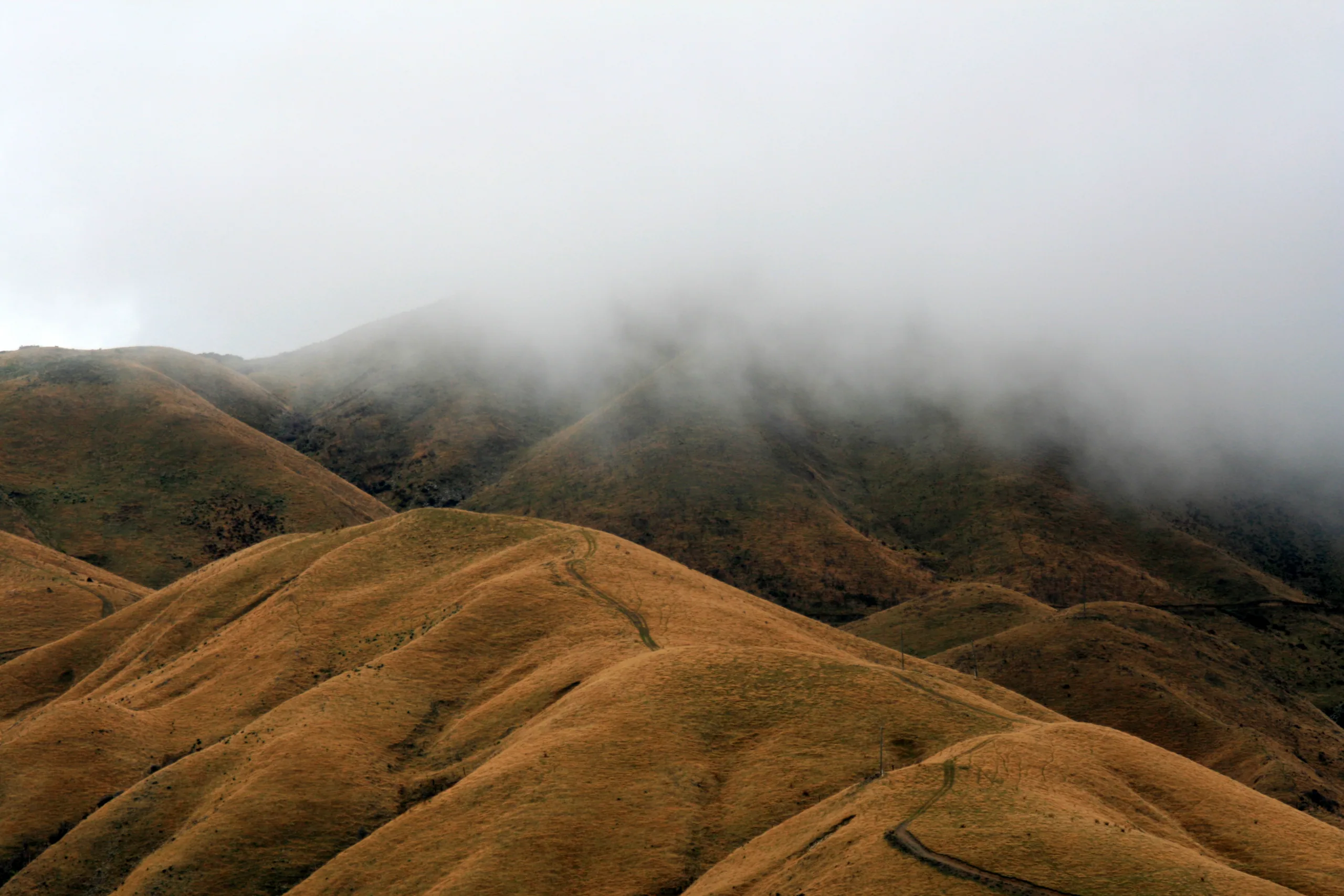
5 hours one way (full day round trip) TranzAlpine train: an honest passenger's guide
Riding the TranzAlpine from Christchurch to Greymouth: which class to book, whether to do it one-way or return, and the bits the brochures skip.
 Boat tour 3h door to door (2h15m on water); flights 30 to 40 min; dolphin swim 3.5h
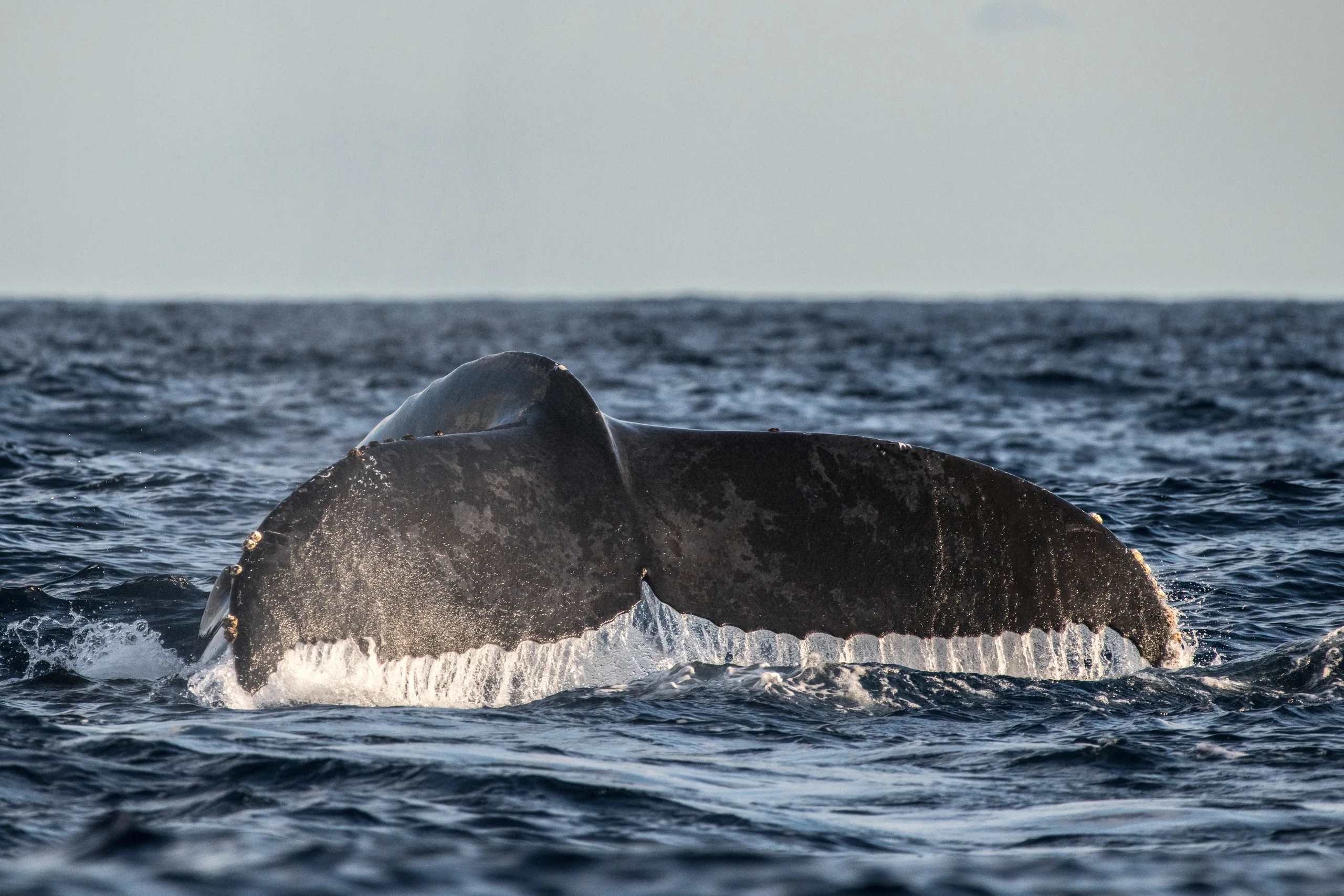
 Kaikoura whale watching: an honest visitor's guide
What you need to know about whale watching in Kaikoura: which operator to pick, how boats vs planes vs helicopters compare, cancellations and seasickness.
 Day trip possible; 2 nights ideal
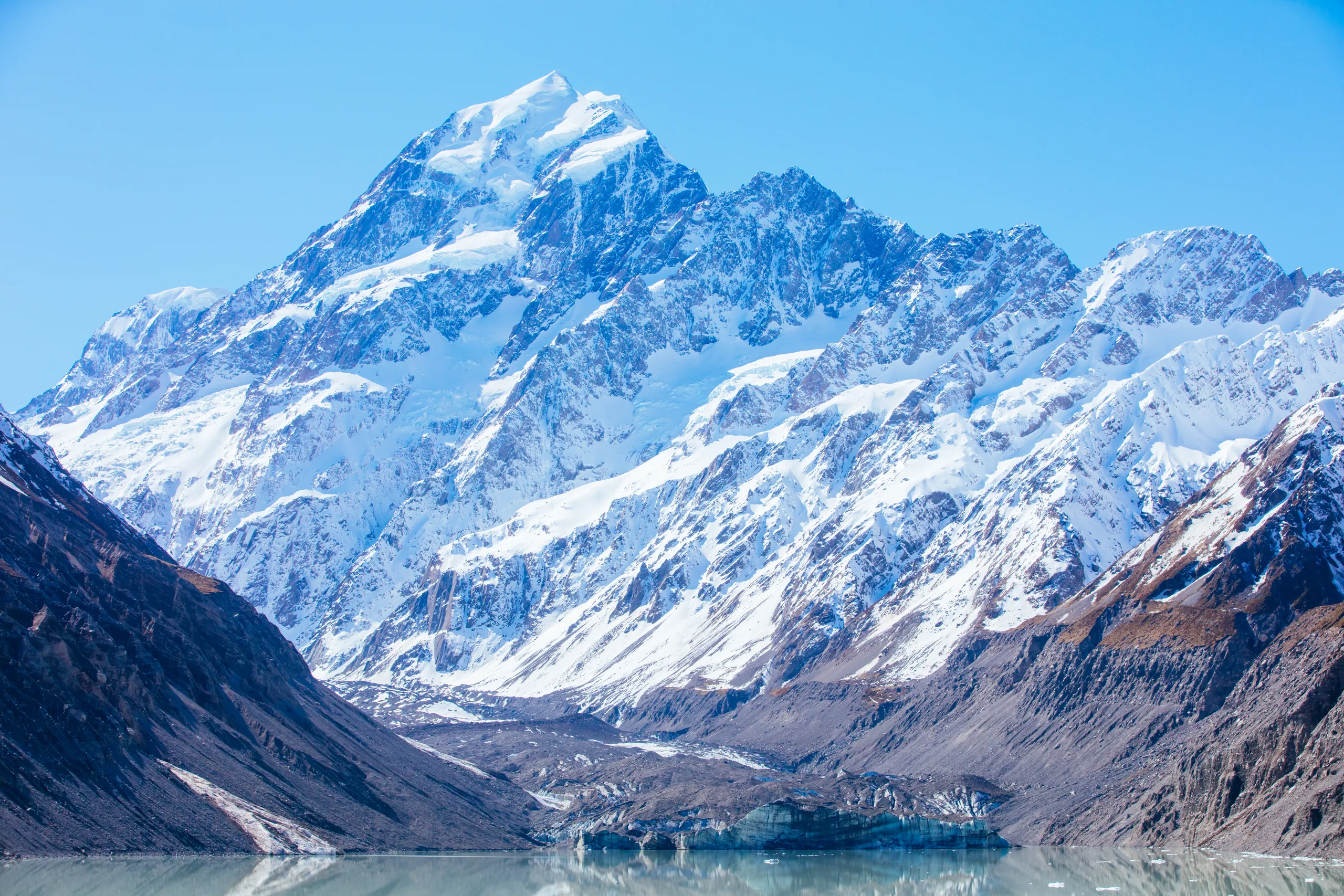
 Aoraki Mt Cook: an honest visitor's guide
What to do at Aoraki Mt Cook National Park: the free walk that beats paid tours, when a scenic flight is worth it, and why to stay overnight.