
Driving in New Zealand: Everything visitors need to know
What it takes to self-drive New Zealand: licences, insurance, mountain passes, one-lane bridges, winter chains and the fatigue rules tourists miss.
TL;DR (the 5 things to know)
Driving is how most visitors actually experience New Zealand, and almost every problem tourists run into comes from five things they did not realise before they picked up the keys. Here is the short version.
One, you drive on the left. Same as Australia, the UK, Japan, and Ireland. If you are coming from the US, Canada, or continental Europe, the first 48 hours are statistically the most dangerous part of your trip. Take it slow out of the rental lot.
Two, distances lie. A 200 km drive on a New Zealand state highway is not a two-hour drive. It is closer to three. Most main roads are single-carriageway, winding, and shared with trucks, tractors, campervans, and the occasional flock of sheep. Plan half the daily distance you would in North America or Europe.
Three, your rental insurance probably excludes gravel, river crossings, and named roads. Read the contract before you sign, not after you crunch a windscreen on the way into Skippers Canyon. If you want to go off-tarmac, hire a 4WD-rated vehicle from a company that explicitly allows it.
Four, fuel is expensive and remote. Budget around NZD 2.80 per litre and fill up whenever you see a station on the West Coast, in the Catlins, or along the Milford Road. The next pump can be 150 km away.
Five, fatigue kills more tourists than ice, sheep, or speed. Long-haul jet-lagged driving on unfamiliar roads in the wrong direction is the single biggest cause of visitor road deaths. Limit yourself to four or five driving hours a day in the first week, swap drivers, and never push through to make a booking.
Get those five right and you will have the trip you came for.
Before you go
Licence requirements
You can drive in New Zealand on a current overseas licence for up to 12 months from the date you enter the country. If your licence is printed in English, that is all you need. If it is in any other language, you must carry either a certified English translation or an International Driving Permit (IDP) alongside the original licence. The IDP on its own is not valid. You must always carry the original.
You also need to carry the physical licence on you while driving. A photo on your phone is not enough if you are pulled over. The minimum driving age in New Zealand is 16, but most rental companies require drivers to be 21 (often 25 for premium and 4WD vehicles), with a clean record over the past two to five years.
Insurance and excess
Every rental quote includes basic insurance with an excess of around NZD 2,500 to 7,500, which is what you pay if you crash, scratch a panel, or chip the windscreen. Most companies then sell an “excess reduction” or “premium cover” upgrade for an extra NZD 15 to 40 per day that drops the excess to zero or close to it.
Two things to read carefully before you sign:
- Tyres, windscreens, and undercarriage are often excluded from standard cover. On gravel and pothole-prone back roads this is the most common claim.
- Unsealed roads, river crossings, beaches, and named tracks (Skippers Canyon, Macetown, Ball Hut Road, 90 Mile Beach) are usually excluded outright. Driving on them voids cover.
Third-party “excess reimbursement” insurance bought separately online (think rentalcover.com or your credit card travel insurance) is often cheaper than the desk upsell, but you pay the excess upfront if something happens and claim it back later. Some travellers prefer to pay the higher daily rate for peace of mind and zero paperwork.
Booking your vehicle
For most visitors the decision is a small SUV or hatchback versus a campervan. Hatchbacks and small SUVs are cheaper, easier on fuel, and easier to park (Wellington and Queenstown both have tight CBDs and tight rental car park exits). Campervans give you flexibility on accommodation but cost more per day, drink more fuel, and are not allowed to “freedom camp” most places near towns. See our campervan hire guide for the full breakdown.
Book early for December and January (it is summer here, and rates and availability are at their worst). Shoulder months (March, April, October, November) usually have last-minute deals.
NZ road realities
Drive on the left (and the roundabout thing)
You sit on the right side of the car and drive on the left side of the road. Indicators are on the right side of the steering column, wipers on the left, which is the reverse of most left-hand-drive countries. Expect to flick the wipers on every time you want to indicate for the first day or two. Everyone does it.
The other thing visitors get wrong is roundabouts. Give way to traffic already on the roundabout, and to anything coming from your right (because you go around clockwise here, the opposite of North America). Indicate left as you exit, even if you are going straight through. Kiwis do not always do this, but the police do enforce it.
At uncontrolled intersections, the rule is straightforward: give way to your right. There is no longer a special “turning rule” that confuses everyone (that changed in 2012). If you are turning right and someone is coming from your right going straight, they go first.
Realistic distances (the 100 km/h lie)
Google Maps and rental brochures both quote drive times that assume you can hold 100 km/h. You cannot, and you should not try. Most New Zealand state highways are two-lane, undivided, and run through hills, river valleys, small towns with 50 km/h limits, and stretches where overtaking is impossible for 30 km at a time. The honest average speed on an open road, accounting for towns and corners, is closer to 70 km/h.
Some real-world examples for planning:
- Auckland to Wellington (SH1), about 640 km, allow nine to ten hours of driving plus stops. Most people split it.
- Christchurch to Queenstown via SH1 and SH8, about 480 km, allow seven hours including a Tekapo or Twizel stop.
- Queenstown to Milford Sound (SH6 and SH94), about 290 km, allow four and a half hours one way, longer if it is wet, longer still if there are coaches.
- Picton to Christchurch via Kaikoura (SH1), about 340 km, allow five and a half hours.
A useful rule: take Google’s estimate, add 30 percent, then add 15 minutes for every photo opportunity you plan to make. You will plan a much better itinerary.
One-lane bridges
New Zealand has hundreds of one-lane bridges, especially through the West Coast, Fiordland, the East Cape, and rural Otago. They look alarming the first time. The rule is simple: a small sign at each end shows two arrows, with the larger black arrow indicating who has right of way. If the big arrow points toward you, you go. If it points away, you wait.
If you arrive at the same time and the priority is ambiguous, the smaller vehicle and the vehicle with the longer sightline usually gives way. Pull off, flash your lights to wave the other driver through, and keep moving. Do not stop in the middle of the bridge for photos. The famous Haast Pass bridges and the Buller Gorge bridge (SH6) are particularly common pinch points.
A handful of bridges in the West Coast also share with railway tracks. The signage is clear, but if a train light is flashing, wait.
Mountain passes
The South Island in particular is defined by alpine passes, and they are slower, narrower, and more weather-dependent than visitors expect. The ones to know:
- Haast Pass (SH6) between Wanaka and the West Coast. The most scenic, the wettest, and the most prone to slips and closures. Allow four hours from Wanaka to Fox Glacier.
- Lindis Pass (SH8) between Cromwell and Omarama. Open and rolling rather than steep, but exposed and icy in winter.
- Crown Range (SH89) between Queenstown and Wanaka. The highest sealed road in New Zealand. Stunning, snow-prone in winter, and frequently closed in heavy snow. The Cardrona Valley side has tight switchbacks.
- Lewis Pass (SH7) linking Christchurch with the West Coast. The least dramatic of the alpine routes and usually the most reliable in winter.
- Arthurs Pass (SH73) also linking Christchurch and the West Coast, through Arthurs Pass village. Snow-prone, with a steep grade through Otira Gorge. The TranzAlpine follows this route if you’d rather sit out the drive.
- Milford Road (SH94) from Te Anau to Milford Sound. Avalanche-controlled in winter, gates closed below the Homer Tunnel during high-risk events, no fuel between Te Anau and Milford, and one-way traffic through the Homer Tunnel. Check the daily road status and the NZ Avalanche Advisory before you leave Te Anau.
All of these are doable in a 2WD rental in summer. In winter, only with chains, daylight, and a clear forecast.
Gravel roads
There is still a surprising amount of unsealed road in New Zealand, especially in the Coromandel, East Cape, inland Marlborough, the Catlins, and most back roads to trailheads and remote campsites. Standard rental contracts almost universally exclude unsealed-road damage. Drive gravel at 60 to 70 km/h maximum, leave extra braking distance, and slow right down for oncoming vehicles to avoid a flying stone through the windscreen.
If a road on your itinerary is gravel (the Ahuriri Valley, the road to Castle Hill via the back way, parts of the Crown Range alternative routes, the Pinnacles, much of the West Cape), check whether your rental allows it before you go.
Speed limits, fines, alcohol
The default speed limit is 100 km/h on the open road and 50 km/h in urban areas. Some short stretches near Auckland and the Waikato Expressway are now signed 110 km/h. Lower limits apply through small towns (often 70 or 80 km/h), school zones (40 km/h during posted hours), and roadworks. Speed cameras are common, both fixed and mobile (an unmarked vehicle on the roadside is often a camera car).
Fines for speeding start at NZD 30 for 1 to 10 km/h over and climb steeply: NZD 230 for 21 to 25 km/h over, NZD 630 for 41 to 45 km/h over, plus demerits. More than 40 km/h over the limit triggers an immediate roadside licence suspension for 28 days, even for visitors. Speed cameras issue tickets that arrive at your rental company first, who charge them back to your card with an admin fee.
The blood alcohol limit is 250 micrograms per litre of breath (50mg per 100ml of blood) for drivers over 20, and zero for drivers under 20. Realistically that is roughly one standard drink for an average adult. Do not test it. Random breath tests are common, especially around long weekends, and visitor licences are not exempt from suspension.
Mobile phones are illegal to handle while driving, including at red lights. Hands-free voice calls are fine. Looking at your phone in your lap at a stop sign will get you a fine if a patrol car sees you. Seatbelts are compulsory for every occupant. Children under 7 must be in an approved child restraint, and most rental companies hire seats for around NZD 8 to 15 per day.
Fuel
Petrol and diesel pricing
Pump prices in 2025 to 2026 sit roughly at NZD 2.60 to 3.10 per litre for 91 octane, with 95 and 98 octane a little higher and diesel around NZD 2.00 to 2.30 per litre. Prices vary by region: Auckland and Christchurch are cheapest, Queenstown and resort areas mid-range, and the West Coast, the Catlins, and Coromandel back roads the most expensive. Plan to fill up in larger towns rather than gambling on the next station.
The main networks are Z, BP, Mobil, Caltex, Gull, Waitomo, and Allied. Most accept international credit cards at the pump. Some rural stations close in the evening or on Sundays. The Milford Road has no fuel between Te Anau and Milford Sound (about 240 km return). The Catlins, Haast to Wanaka, and parts of the Forgotten World Highway are similar dead zones. When in doubt, fill up.
RUC tax for diesel
Diesel pump prices in New Zealand look attractive until you realise diesel vehicles pay Road User Charges (RUC) on top. The owner of the vehicle buys distance permits in advance (currently around NZD 76 per 1,000 km for light vehicles), and the cost is built into the rental rate. For visitors driving a rental, RUC is usually already included in the daily rate, but check your contract. The bottom line is that the running cost of diesel and petrol works out roughly equivalent in a typical rental, so do not assume diesel will save you money unless you are doing very high mileage.
EV charging
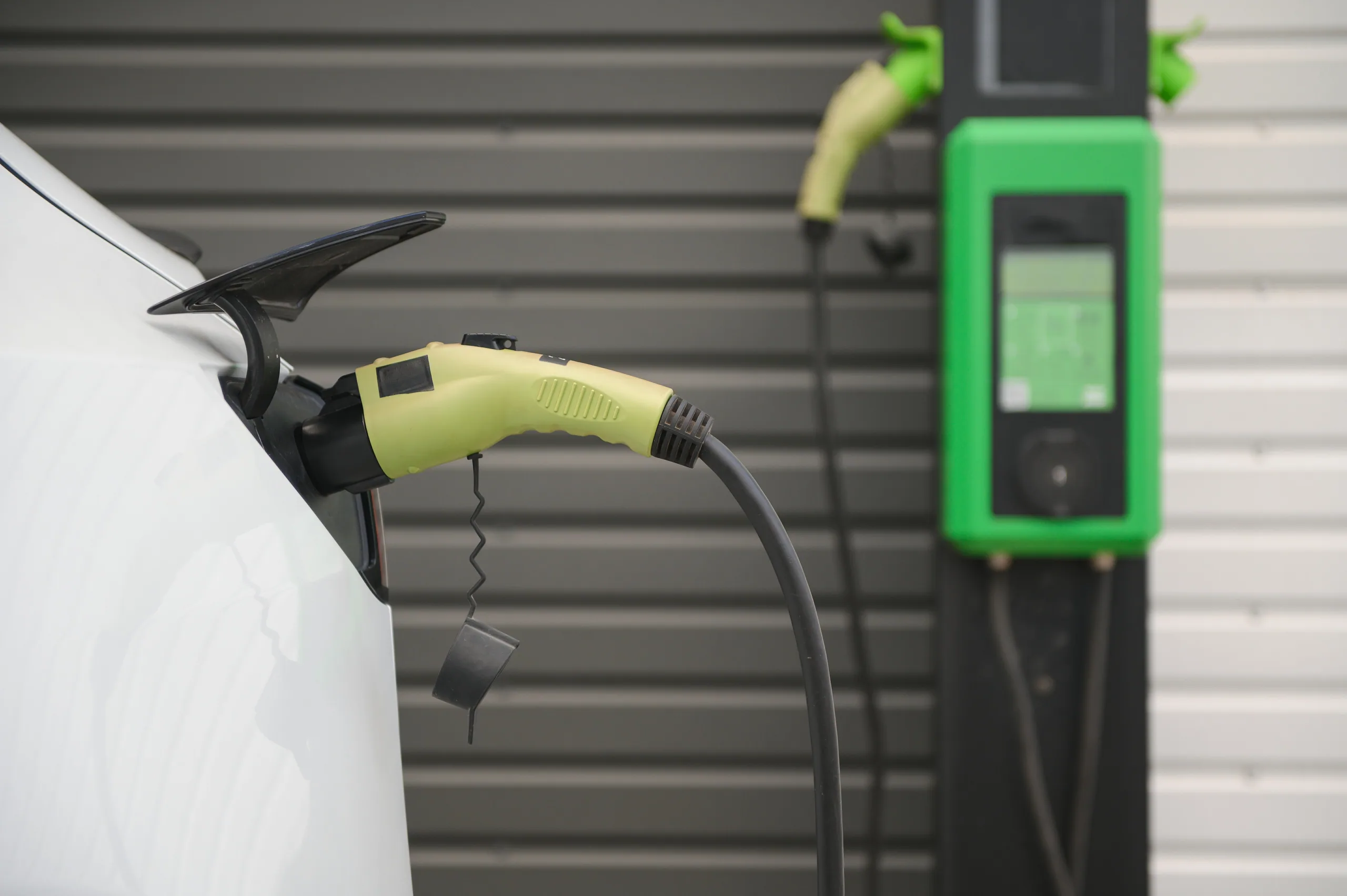
The EV charging network has expanded fast in the last five years. ChargeNet operates the largest public DC fast-charging network with stations in most main towns and along all the main South Island routes. Tesla Superchargers are in Auckland, Hamilton, Taupo, Wellington, Christchurch, Cromwell, and Queenstown. Most chargers use the CCS2 standard, with a few legacy CHAdeMO stations.
The PlugShare and ChargeNet apps are the most useful for trip planning. Rates run roughly NZD 0.65 to 0.95 per kWh on fast chargers (a 60 kWh battery costs around NZD 40 to 55 to charge to 80 percent from low). EV rentals are available from EVject, Snap Rentals, and the larger international companies, usually at slightly higher daily rates than petrol equivalents. For long distance West Coast or Fiordland trips, check the charger map carefully. Coverage is improving but gaps remain.
Winter driving (chains, snow, ice, avalanches)
Winter in New Zealand runs June to August (September in the alpine zones). The North Island stays mild for the most part, with snow only on the central plateau (Tongariro, Ruapehu) and high passes. The South Island is a different country in winter, with snow on every alpine pass, ice on shaded corners well into mid-morning, and short daylight (sunset before 5pm in June through Otago and Southland).
Chains are required by law on certain alpine roads during snow events. The Milford Road, Crown Range, Mount Cook road, Coronet Peak access, and Treble Cone access are the most commonly chained. Rental companies hire chains for around NZD 30 to 50 for the trip and provide a fitting card. Practice fitting them in the rental car park before you need them in the dark in a blizzard.
A few non-negotiables for winter driving:
- Black ice is the biggest killer. Bridges, shaded corners, and the first 30 minutes of daylight are the highest risk. If the road glistens but you see no spray, assume ice.
- Avalanche control closes the Milford Road regularly through winter. Check the daily status with NZTA Journey Planner or the Real NZ office in Te Anau.
- Drive in daylight through alpine country. Sunset to sunrise is when ice forms and animals appear.
- Slow down well before corners, not in them. ABS works in a straight line, not mid-corner.
- AWD is not a winter shortcut. AWD helps you accelerate, not brake. The same physics applies to every car on ice.
If you have no winter driving experience, consider booking coach tours for alpine days (Milford coach from Te Anau, ski shuttles to Cardrona and the Remarkables) rather than self-driving in snow.
Tourist driving deaths (and how to not be one)
Visitor road deaths in New Zealand are higher per kilometre driven than local deaths, and the patterns are predictable. Fatigue is the single biggest factor. Long-haul flights, jet lag, unfamiliar roads, driving on the unfamiliar side, and overpacked itineraries combine into the classic crash: a tourist drifts across the centre line on a straight stretch in the afternoon and hits an oncoming vehicle.
The single most useful rule is to limit driving to four or five hours a day for the first week, especially the day you land. Pick up your vehicle the morning after you arrive, not the same day. Swap drivers every two hours if you can. Stop properly for lunch (sit down, get out of the car) rather than eating at the wheel. If you feel drowsy, the only fix is sleep. Pull into a rest area and nap for 20 minutes.
Other patterns worth knowing:
- Right-side drift out of car parks, petrol stations, and rural intersections. Stop, look both ways twice, and consciously pull onto the left.
- Overtaking impatience. Most South Island highways are two-lane. Sit behind the truck, use the official passing lanes (signed every 10 to 30 km), and never cross double yellow lines.
- Wet weather speed. New Zealand rain is heavy and chip-seal surfaces lose grip fast. Drop 10 km/h in any rain.
- Photo stops. Pull fully off the road into a marked layby. Do not stop on the shoulder, on a bridge, or on a blind corner.
The good news: New Zealand drivers are mostly patient and slow, and the police presence on tourist routes is high. If you drive like you would at home in poor weather, you will be fine.
When to fly instead
For long-haul legs, domestic flights are often the smarter choice. The country is small but slow, and a day spent driving from Auckland to Queenstown is a day you do not spend on the trail.
Some sensible “fly, do not drive” legs:
- Auckland to Queenstown or Christchurch. Two and a half hours by plane, two days by car (with a ferry). Fly.
- Auckland to Wellington if you are going on to the South Island. Fly to Wellington, take the ferry to Picton, then drive. Or fly direct to Christchurch or Queenstown.
- Christchurch to Queenstown one-way. A spectacular drive (the inland route via Tekapo) but a long day. If you are short on time, fly.
- Wellington to Christchurch. The Interislander or Bluebridge ferry is part of the trip, but the flight is one hour. Decide based on how much time you have.
Domestic flights with Air New Zealand and Jetstar are usually NZD 100 to 250 one-way if booked in advance. Sounds Air, Originair, and Air Chathams cover the smaller regional routes. One-way rental drop-off fees between islands or between Christchurch and Queenstown can be steep (NZD 150 to 500), so factor that into your decision. If you’re going island-to-island with the car, the Interislander and Bluebridge ferries leave from Wellington.
The practical stuff nobody mentions
A handful of small things that make a disproportionate difference once you are on the road.
Download offline maps. Cell signal is patchy through most of the South Island, Fiordland, the West Coast, the Coromandel, and the East Cape. Download offline regions in Google Maps (or use Maps.me, Organic Maps, or Gaia GPS) before you leave the last town. Spark and One NZ have the broadest coverage. 2degrees lags in rural areas. Full breakdown in our NZ SIM card guide.
Wildlife is mostly sheep. New Zealand has no large wild mammals. The hazards on the road are stock (sheep, cattle, sometimes deer being moved between paddocks), possums and rabbits at night (do not swerve, brake straight), and the occasional sleepy kea or weka in alpine areas. Hitting a possum is annoying. Swerving to avoid one and going off a cliff is fatal. Stay in your lane.
Te reo Maori signage. You will see bilingual signs in te reo Maori and English on motorways, in towns, and at major destinations. Tomo means hole or culvert, awa means river, maunga means mountain. Standard regulatory signs (stop, give way, speed limits) are universal symbols. There is nothing to learn before you go.
Fuel up before alpine sections. Te Anau before Milford, Wanaka before Haast, Kaikoura is small (top up earlier), and the Catlins between Balclutha and Invercargill has limited options.
Take a portable jump pack or know your roadside number. The AA roadside assistance number is 0800 500 222. Most rental companies include AA cover. Outside cell range, flag down a passing vehicle. New Zealand drivers stop for people in trouble.
Drive defensively in the first 48 hours. Most rental crashes happen in the first two days. Jet lag, wrong side of the road, unfamiliar car. Take an extra day in Auckland or Christchurch before you start the road trip, or do an easy first leg (Christchurch to Akaroa, Auckland to Matakana) rather than starting with a 600 km push.
Driving in New Zealand is the best way to see the country if you do it at the pace the country was built for. Plan half the distance you would at home, take an extra day at each end of every itinerary, and treat the road as part of the trip rather than the time between stops. Do that and you will not just survive the drive, you will remember it as the best part.