
NZ transport cards: HOP, Snapper, Bee, Metrocard
How NZ's four regional transport cards work: AT HOP, Snapper, Bee Card, Metrocard — where to buy, how to top up, and when contactless replaces them.
TL;DR (which card you need)
New Zealand public transport runs on regional smart cards rather than a national system, and the answer to “which card do I need” depends entirely on which city you’re in. Here’s the short version.
- Auckland: get an AT HOP card. NZD$5 for the card at the airport or any dairy, top up NZD$20 or so, works on buses, trains, and ferries across the whole region.
- Wellington: get a Snapper card. NZD$10 starter, sold at supermarkets and the airport, works on buses and the Cable Car. Trains around Wellington use Snapper too on most lines now.
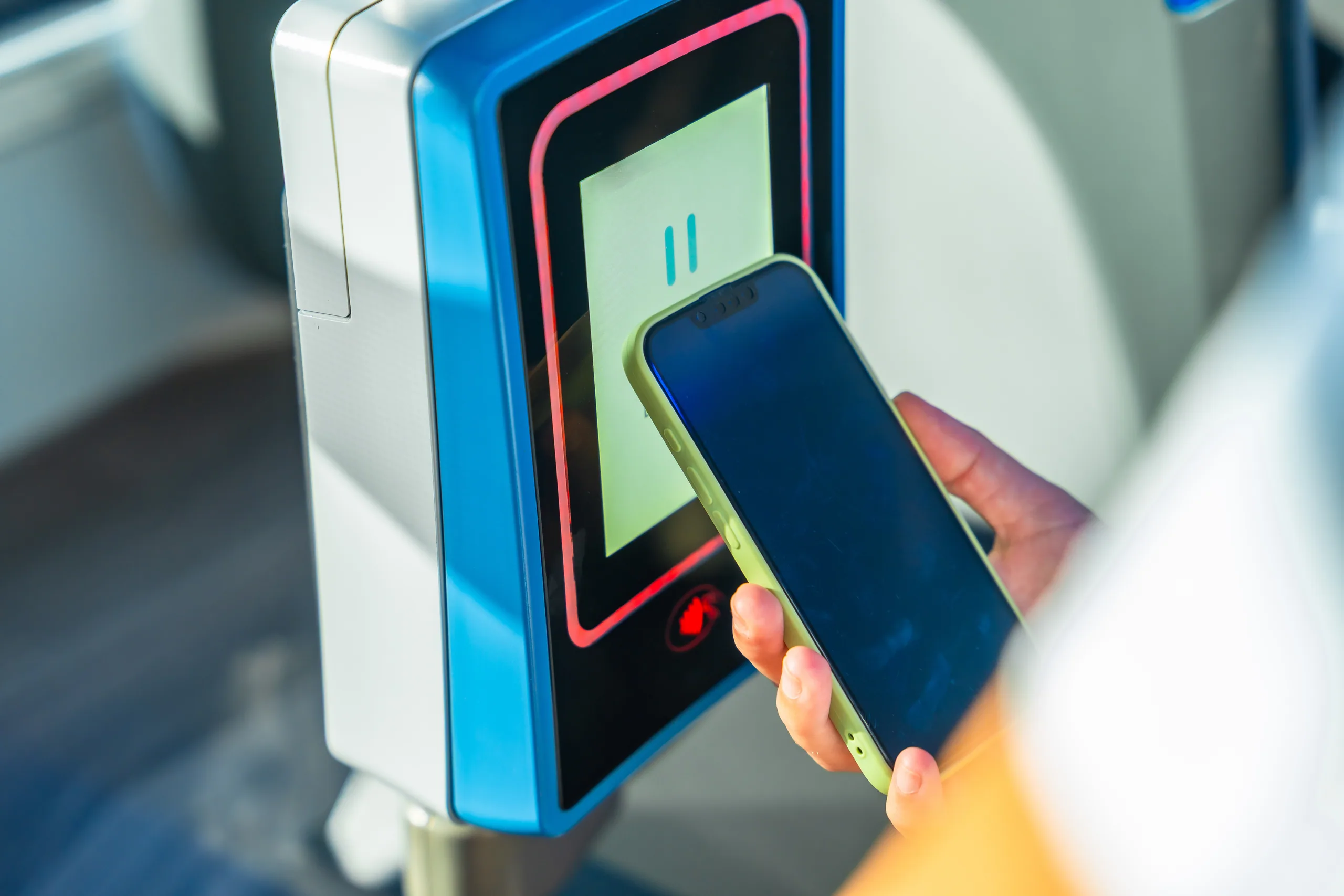
- Christchurch: get a Metrocard or just tap your contactless bank card. Metrocard is NZD$10 to start. The Canterbury network rolled out contactless bank card and Apple Pay payment in late 2024 so you can skip the local card entirely if you have a Visa or Mastercard.
- Everywhere else (Hamilton, Tauranga, Rotorua, Napier, Hastings, New Plymouth, Whanganui, Palmerston North, Whangārei, Nelson, Dunedin, Invercargill, Queenstown): get a Bee Card. Same card works across all nine Bee Card regions, NZD$5 to $10 to start.
- Long-distance coach (InterCity) and scenic trains (Northern Explorer, Coastal Pacific, TranzAlpine): buy tickets online, no card needed. Contactless bank card works on board.
Most short-term visitors who only see one or two cities can just buy the right card on arrival and not think about it. If you’re moving between Auckland, Wellington and Christchurch on a longer trip, accept that you’ll have two or three cards in your wallet until the National Ticketing Solution finishes its rollout in 2027.
The national picture (and why there are four cards)
New Zealand has 16 regional councils, and until recently each had its own approach to public transport ticketing. Auckland Transport built AT HOP for the country’s biggest city. NZ Bus built Snapper for Wellington. Environment Canterbury (ECan) ran Metrocard for Christchurch. Most smaller regions banded together around 2019 to create the Bee Card so they didn’t have to build their own systems.
The result is a country where the same fare-collection problem has four different answers, and a tourist driving from Auckland to Queenstown could in theory pass through three card systems before they reach Frankton.
This is being fixed. The National Ticketing Solution, branded Motu Move, is a country-wide payment platform that lets you tap a contactless bank card, an Apple Pay or Google Wallet phone, or a single new transit card on any public transport in NZ. Rollout started in Canterbury and the Bay of Plenty in late 2024, with Otago, Northland and other regions following through 2025 and 2026. Auckland and Wellington are scheduled for 2026 to 2027.
Until then, what’s in your wallet matters.

AT HOP (Auckland)
If you’re flying into Auckland and using public transport at all, get an AT HOP card. The city is geographically spread out, parking in the CBD is brutal, and the bus, train, and ferry network is the best in the country. Without HOP, every journey costs around 20% more in cash-equivalent fares and many newer routes don’t accept cash at all.
Where to buy
- Auckland Airport: the AT customer service desk in the international terminal (open during most arrival times). NZD$5 for the card plus whatever you load. They also sell pre-loaded cards in NZD$10, $20, and $30 bundles.
- Britomart Transport Centre (downtown): full customer service centre, all services.
- Around 1,000 retail outlets: Countdown, Pak’nSave, dairies, BP service stations, Z Energy, most 7-Elevens. Look for the green AT HOP sticker on the door.
- Online: order in advance and have it sent to your home (only practical for residents).
How it works
You buy the card for NZD$5, load credit, and tap on at the start of every trip. On buses, you also tap off when you leave (the fare is calculated by zones travelled). On trains and ferries, you tap on entry and off exit at the gate. If you forget to tap off, you’ll be charged the maximum fare.
Auckland uses a zone-based system. A single-zone trip is about NZD$2.20. Two zones, NZD$3.80. The whole city (North Shore to Pukekohe), around NZD$6. The AT HOP day cap means you’ll never pay more than NZD$20 in fares in a single day on HOP regardless of how many trips you take. There’s also a weekly cap of NZD$54 for unlimited travel, useful for working visitors.
What it covers
Every Auckland Transport bus (almost all city buses), Auckland trains (Western, Southern, Eastern, Onehunga, Pukekohe lines), and Fullers360 ferries on the inner harbour (Devonport, Half Moon Bay, Birkenhead, Bayswater, Hobsonville, Stanley Bay, Northcote Point, West Harbour). Excludes Waiheke Island ferry (separate Fullers360 booking) and SeaLink car ferries.
Tourist tip
If you’re in Auckland for under three days and only doing one or two trips, paying cash on the few cash-accepting buses or buying a single train ticket from a vending machine is fine. For anything over three days, AT HOP pays for itself in the first three trips.
Snapper (Wellington)
Snapper is Wellington’s smart card, owned by NZ Bus and accepted across the regional Metlink bus network (now operated by multiple companies including Tranzit and Mana Coach Services), the Wellington Cable Car, and the rail network on most lines. It’s been around since 2008 and most locals have one.
Where to buy
- Wellington Airport: the i-SITE visitor information centre on arrivals.
- Wellington Railway Station (Lambton Quay): full Snapper service centre.
- Around 250 retailers: Countdown, New World, Z Energy, dairies. Look for the orange Snapper sticker.
- Online and through the Snapper mobile app: digital Snapper now works on iPhone and Android through Apple Wallet and Google Wallet. You don’t need a physical card if you have a recent phone.
A physical card is NZD$10 (no credit included). A digital Snapper through the app is free (you just load credit). The app version is genuinely the easiest way.
How it works
Tag on when you board, tag off when you leave (two-reader system on most buses). Fares are zone-based. A single-zone trip in central Wellington is NZD$2.50, two zones around NZD$4, and the maximum (Wellington to Masterton over the hill) NZD$13.
Daily fare cap: NZD$11.50 for all Snapper journeys in a day, regardless of zones. This is genuinely useful if you’re doing multiple trips.
What it covers
- Metlink buses across the Wellington region (Wellington city, Hutt Valley, Porirua, Kapiti Coast)
- The Wellington Cable Car
- Metlink trains on most lines (Johnsonville, Kapiti, Hutt Valley, Melling, Wairarapa)
- Some ferries are added gradually
Tourist tip
Wellington is small enough that a lot of visitors walk the CBD and the waterfront, then take a Snapper-loaded bus to Karori (for the Zealandia visit), Mount Victoria, or out to Eastbourne. A digital Snapper in Apple Wallet costs nothing to set up and saves carrying yet another plastic card.
Bee Card (most regions)
The Bee Card is the shared transport card for nine regional councils that didn’t want to build their own system. The same card works in:
- Waikato (Hamilton)
- Bay of Plenty (Tauranga, Rotorua, Whakatāne) — being transitioned to Motu Move
- Hawke’s Bay (Napier, Hastings)
- Taranaki (New Plymouth)
- Manawatū-Whanganui (Palmerston North, Whanganui)
- Northland (Whangārei)
- Nelson Tasman
- Otago (Dunedin, Queenstown, Wānaka)
- Southland (Invercargill)
It’s the most useful card for road-trippers because one purchase covers nine regions.
Where to buy
- Local council customer service centres and i-SITE visitor information centres in each region.
- Selected supermarkets and convenience stores — look for the Bee Card sticker.
- Online through beecard.co.nz, shipped within NZ only.
Card cost varies by region but is generally NZD$5 to NZD$10 with no credit included.
How it works
Tag on and tag off. Each region sets its own fares — the Bee Card is just the payment platform, not a fare system. Hamilton charges around NZD$3.20 cash equivalent, Tauranga is similar, Rotorua and Whangārei are flat-rate around NZD$2.80, and Queenstown is one of the more expensive systems (around NZD$4 to $5 per trip).
What it covers
All council-contracted urban buses in the nine regions above. It does not cover InterCity long-distance coaches, school buses (different system), or commercial tour buses.
Tourist tip
If your trip includes Rotorua, Hamilton, Tauranga, Queenstown, or any combination of regional cities, get a Bee Card on arrival in the first one and you’re set everywhere. Particularly useful for working holiday travellers moving between regions for seasonal work.
Metrocard / Motu Move (Christchurch and Canterbury)
Christchurch operates the Metrocard for buses across the Canterbury region (Christchurch city, plus the surrounding district routes to Lyttelton, Akaroa, Rangiora, Lincoln, and Diamond Harbour). In late 2024, Canterbury became the first region to roll out Motu Move, the national contactless payment platform.
Where to buy a Metrocard
- Christchurch Bus Interchange (Lichfield Street, central city): primary service centre.
- Christchurch Airport: information desks have them.
- Council service centres and libraries around the region.
- Selected retailers — look for the Metro sticker.
Card cost is NZD$10 with no credit included.
The Motu Move option (no card needed)
The bigger news is that you can tap any contactless Visa, Mastercard, or American Express card directly on the bus reader in Christchurch, including the digital version in Apple Pay, Google Wallet, or Samsung Wallet. You don’t need a Metrocard at all. The reader links your card, charges your daily fare cap (NZD$5 max per day in Christchurch as of 2025), and bills your card overnight.
This is genuinely the future of NZ public transport, and Christchurch is the test bed. It just works.
How it works (either way)
Tag on when you board, tag off when you leave. The flat city zone fare is around NZD$2 with Metrocard or contactless. The daily cap means you’ll never pay more than NZD$5 in a day regardless of trips.
What it covers
All Metro buses across Greater Christchurch and most district services. Excludes Akaroa Shuttle (commercial operator, separate booking).
Tourist tip
In Christchurch, just use your contactless bank card or phone. There’s no reason to buy a local Metrocard for a short stay.
Long-distance options (no smart card needed)
For travel between cities, you’re outside the smart card world:
InterCity coaches
NZ’s main intercity coach network covers around 600 destinations across both islands. Book online or through the app, contactless bank card works at the boarding stop, and there are no smart cards involved. Adult fares range from NZD$25 for short hops (Auckland to Hamilton) to NZD$160+ for the long routes (Auckland to Wellington). The TravelPass options give unlimited travel for 7, 14, 21 days or hop-on-hop-off itineraries.
Northern Explorer / Coastal Pacific / TranzAlpine (KiwiRail Scenic)
Long-distance scenic trains run by KiwiRail. Book online at greatjourneysnz.com, prices from NZD$159 to $400+ depending on season and class. Reserved seating, no card system, just print or show the email confirmation.
Wellington to Picton Interislander ferry
Book online with Interislander or Bluebridge. Foot passengers NZD$55 to $80 each way, vehicles from NZD$200. No transport card involved.
Domestic flights
Air NZ, Jetstar, and now also Air Chathams on regional routes. Book online, check in with the app, no transport card needed. Airport-to-CBD detail in our airport transfers guide.
The Motu Move rollout (what’s changing)
The National Ticketing Solution is rolling out across NZ:
- 2024 (late): Canterbury (Christchurch) live with contactless and Motu Move
- 2025: Bay of Plenty, Otago (Dunedin, Queenstown)
- 2025 to 2026: Northland, Hawke’s Bay, Waikato, Taranaki, Nelson, Southland (replacing or supplementing Bee Card)
- 2026: Greater Wellington (replacing or supplementing Snapper)
- 2026 to 2027: Auckland (replacing or supplementing AT HOP)
The endgame is that you’ll be able to tap a contactless card, phone, or single national transit card on any bus or train in NZ. Existing cards (AT HOP, Snapper, Metrocard, Bee Card) will continue to work alongside Motu Move during the transition, but new cards are expected to default to the national system.
If you’re visiting in 2025 to 2026, you’re in a transition window. Pick your card based on the city you’re in. If you’re visiting in 2027 onwards, just bring your contactless bank card and tap on.
Practical tips nobody tells you
Register your card online if you load more than NZD$30. Unregistered cards work fine but if you lose one, the credit is gone. Registered cards can have their balance transferred to a new card if you report them lost. This applies to all four cards.
Top up at supermarkets, not at customer service centres. The queues are shorter, the staff don’t ask questions, and the EFTPOS terminal accepts any debit or credit card. Countdown, Pak’nSave, and New World all top up most cards.
Day caps make multi-trip days cheap. All four cards have a daily fare cap (AT HOP $20, Snapper $11.50, Metrocard $5, Bee Card varies). If you’re planning to do 4 or more trips in a day, you might as well do 10 — the price is the same.
Tag off matters. On almost all NZ networks, if you forget to tag off, you’re charged the maximum possible fare from where you boarded. This can be NZD$10+ on a single trip. Tap before you step off, every time.
Children under 5 are free on most NZ public transport without a card or ticket. Children 5 to 18 ride at concession rates with a registered child card or a school ID. Tourists’ kids generally pay child fare just by tagging on with an adult HOP/Snapper set as a child profile, which the customer service centre will set up.
The Wellington Cable Car is a tourist thing as much as a commute. Snapper works, but the kiosk also sells single tickets. The cable car runs every 10 minutes, takes 5 minutes, and the view at the top is worth NZD$5.
Buses in NZ stop on request. You wave at the driver to stop and pick you up, you press the bell to be let off. There’s no automatic stopping at every stop. If you don’t wave, the bus drives past. This is the second most common tourist mistake after not having a card.
Drivers are generally helpful if you tell them where you want to go. They’ll often tell you the right zone selection if you ask. Don’t ask during peak hour. Ask off-peak.
How to actually choose
A simple decision tree:
- Auckland only: AT HOP card from the airport or any dairy. NZD$5 plus NZD$20 of credit.
- Wellington only: Digital Snapper through the app (free), or a physical card from any supermarket (NZD$10).
- Christchurch only: Just tap your contactless bank card. Don’t bother with Metrocard.
- Regional cities (Rotorua, Hamilton, Tauranga, Queenstown, etc.) only: Bee Card from the i-SITE in your first city.
- Multi-city trip: Get the local card in each big city, use Bee Card for the regional ones. Or wait until Motu Move covers your whole route in 2026 to 2027.
- Renting a car for the whole trip: Skip all of this. You won’t touch a bus.
Honest verdict
The fragmented card system is annoying, but it’s also temporary. By 2027 the answer to “how do I pay for the bus in New Zealand?” will be “with your phone, the same way you pay for everything else.” Until then, the right answer depends on which city you land in.
For most short-term visitors, you need exactly one card: the one for the city where you’ll spend most of your time. Buy it on arrival, load NZD$20 to $30, and don’t overthink it. The savings versus cash fares pay for the card after a handful of trips, and the day caps mean a multi-stop sightseeing day costs the same as a single round-trip.
If you’re in Christchurch, you’re already in the future. Tap your bank card and go.