
Money in New Zealand: a visitor's guide
Practical guide to paying for things in New Zealand: tap-and-go, cards, EFTPOS, cash, and the smart way to handle foreign exchange in 2025-2026.
TL;DR (how to pay for things in NZ)
New Zealand is a contactless-payments paradise. The single most useful sentence in this guide: almost everywhere takes tap, almost nowhere requires cash, and the smart thing to do is bring a Wise or Revolut card plus a no-foreign-fee credit card as backup.
For most visitors:
- Bring: a Wise or Revolut debit card pre-loaded with NZD, plus one no-foreign-fee credit card as backup, plus NZD$100 to $200 in cash for the rare situation where cards don’t work.
- Don’t bring: a wallet full of cash, travellers cheques (long dead in NZ), or only your normal home debit card with its 2 to 3% foreign transaction fee.
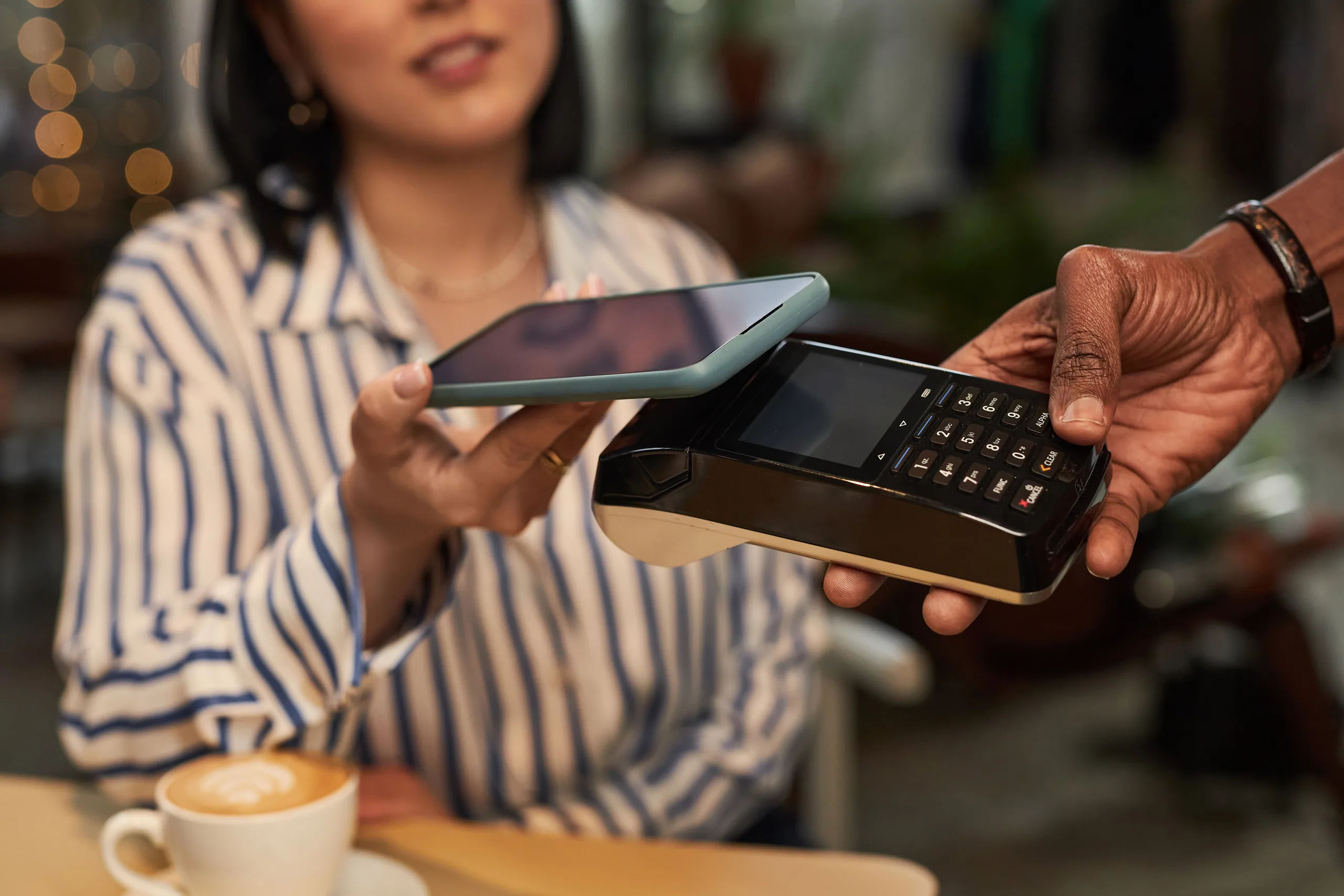
- Tap everything: contactless Visa, Mastercard, Apple Pay, and Google Wallet are accepted at virtually every payment terminal, parking meter, bus reader, and vending machine in NZ.
- Withdraw cash from any major bank ATM — ANZ, ASB, BNZ, Westpac, Kiwibank. The NZ side charges nothing. Your home card may.
- Always decline dynamic currency conversion (“would you like to pay in your home currency?”). The exchange rate is usually 4 to 8% worse than the bank rate. Always pay in NZD.
The whole country runs on cards. Markets, fairs, and very small rural businesses occasionally still want cash but they’re a small minority and most have a Square reader or similar these days.
The currency
New Zealand uses the New Zealand Dollar (NZD), symbol $ or NZ$ when distinguishing from USD/AUD. Coins are 10c, 20c, 50c, $1, and $2. Notes are $5, $10, $20, $50, and $100. The $5 and $10 are plastic polymer notes that survive a trip through the washing machine. There is no 1c or 5c coin — cash totals are rounded to the nearest 10c at the register (“Swedish rounding”). This only applies to cash payments. Card transactions are charged to the exact cent.
The NZD floats freely and moves with commodity prices, dairy exports, and risk sentiment. As a rough benchmark for 2025 to 2026:
- USD$1 ≈ NZD$1.65 to $1.75
- EUR€1 ≈ NZD$1.80 to $1.95
- GBP£1 ≈ NZD$2.10 to $2.25
- AUD$1 ≈ NZD$1.08 to $1.12
- CAD$1 ≈ NZD$1.20 to $1.30
Rates vary daily by a couple of percent. Tools like XE.com or Wise’s exchange rate calculator show the real interbank rate. The rate your bank or airport bureau de change gives you is always worse than this.
EFTPOS, contactless, and the NZ payment landscape
NZ has one of the most card-friendly payment cultures in the developed world, and it got there via a slightly weird route. Understanding the local terms helps.
EFTPOS (the local debit network)
EFTPOS (Electronic Funds Transfer at Point of Sale) is NZ’s domestic debit card network, operated by the major banks since the 1980s. Every NZ bank-issued debit card has EFTPOS on it (alongside Visa or Mastercard branding). EFTPOS transactions are:
- Free for the merchant (no card processing fees)
- Free for the customer (always, no surcharge)
- Domestic only (doesn’t work outside NZ)
Because EFTPOS is free for merchants, many small businesses prefer it. Some still charge 1 to 3% extra on Visa/Mastercard but never on EFTPOS. As a visitor, you have a Visa or Mastercard from overseas, not an EFTPOS card. The terminal accepts both — you’ll never need to think about EFTPOS as a tourist.
The one tourist-relevant thing about EFTPOS: locals routinely “get cash out” at supermarket checkouts by adding it to their EFTPOS payment. This is not available on international cards.
Contactless / paywave / tap
Tap-and-go contactless is universal. Look for the WiFi-style icon on the terminal. Visa, Mastercard, Apple Pay, Google Wallet, Samsung Wallet, Garmin Pay, and Fitbit Pay all work. Amex contactless works at most places (some smaller venues are Visa/Mastercard only).
The single-tap limit was raised to NZD$200 across all banks in 2024, up from NZD$80. Above NZD$200, the terminal will ask for a PIN or signature. Below it, just tap and walk.
For most tap transactions you’re using the Visa or Mastercard “rail” not EFTPOS, which is why occasional small merchants will surcharge a contactless tap. Insert-and-PIN debit, by contrast, often routes via EFTPOS and is sometimes cheaper at the till. Visitors don’t need to worry about this — the surcharge is small if it exists, and Wise/Revolut absorb it via the saved FX margin.
Cash
Cash is fading rapidly. Some specific places still strongly prefer or require it:
- Sunday farmers markets in smaller towns
- Some food trucks (most have Square now)
- Coin-operated lockers at train stations and DOC car parks
- Some rural backpacker hostels and B&Bs
- Buying eggs from a roadside honesty box
- Older taxis (most have card readers now, including all Uber)
- Buskers, occasional tips for housekeeping or porters
For all of these combined, NZD$100 to $200 in cash for a two-week trip is plenty. You can withdraw NZD from any NZ ATM with your home or travel card.
The best card to use in NZ
For visitors, the standout answer in 2025 to 2026 is a Wise debit card pre-loaded with NZD, with a no-foreign-fee credit card as backup. Here’s why and what the alternatives are.
Wise (formerly TransferWise)
A multi-currency account and debit card from a UK fintech. You hold balances in 40+ currencies, exchange between them at the real mid-market rate with a tiny conversion fee (typically 0.4 to 0.6%), and spend with the Wise debit card anywhere Visa or Mastercard works. ATM withdrawals are free up to NZD$350 per month then 1.75% beyond. The exchange rate beats every bank, every airport, every credit card, and every other neobank by a meaningful margin.
Available to residents of: US, UK, EU, Australia, New Zealand, Canada, Singapore, Japan, India and most other developed countries.
How to use it for NZ: open the account before you fly, top it up with your local currency, convert some to NZD, pin the NZD balance to the card, and spend or tap as normal. Top up more from your home account at any time using the app.
Revolut
Similar concept to Wise. Multi-currency account, fee-free card with international ATM withdrawal allowances depending on the plan (Standard: USD$200 free per month, Premium: USD$400). FX rates are excellent on weekdays, less so on weekends (Revolut charges 1% surcharge on weekend FX).
Available to residents of: US, UK, EU, Australia, New Zealand, Singapore, Switzerland, and a growing list.
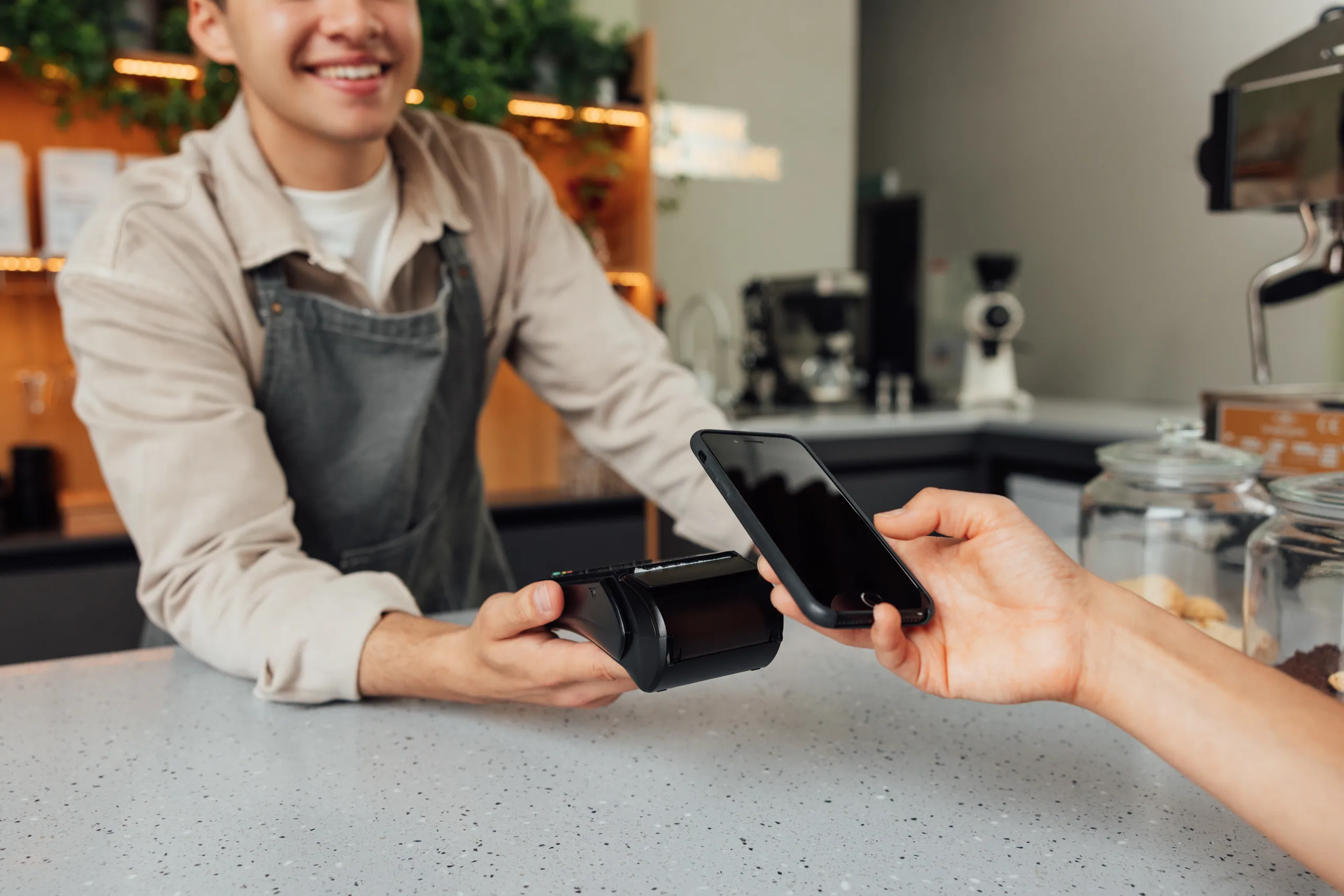
Both Wise and Revolut now also work as Apple Pay and Google Wallet, so you can tap to pay with a phone using their balance. This is the cleanest workflow.
A no-foreign-fee credit card from home
Several home-country credit cards have no foreign transaction fees and good rewards:
- US: Chase Sapphire Preferred, Capital One Venture / Quicksilver, Bilt Mastercard
- UK: Halifax Clarity, Barclaycard Rewards, Chase UK, Starling debit
- Australia: Bankwest Zero Platinum, ING Orange One, Macquarie Black/Platinum
- Canada: Scotiabank Passport Visa, Home Trust Preferred Visa
- EU/Germany: Awa7 Visa, DKB Visa, N26 Standard
Pair one of these with a Wise/Revolut card for redundancy. If one is lost or skimmed, the other still works.
What to avoid
- Your normal home debit card, unless it explicitly has no foreign fees. Most charge 2 to 3% per transaction plus an ATM fee.
- Travellers cheques. Effectively dead in NZ. Most banks won’t cash them.
- Cash bought at airport bureaux de change. The rate is usually 5 to 10% worse than withdrawing from a NZ ATM with a Wise card.
- Dynamic Currency Conversion at the terminal or ATM. Always choose to pay in NZD, never in your home currency.
ATMs in New Zealand
ATMs are everywhere. The five major retail banks (ANZ, ASB, BNZ, Westpac, Kiwibank) have ATM networks in every city, town, and most large supermarkets. Service stations, airports, ferry terminals, and shopping malls all have at least one ATM.
NZ bank ATM fees
The NZ-side bank charges no fee for foreign cards withdrawing cash at their ATM. This is a national standard set by the major banks years ago and not something to negotiate. Your home bank may charge its own foreign-ATM fee (typically NZD$3 to $5 per withdrawal plus 2 to 3% on the amount). This is where Wise and Revolut win — their free monthly allowance covers most short trips.
Non-bank ATMs
Independent ATM networks (in some convenience stores, airports outside the bank booths, casinos) do charge their own surcharge — usually NZD$2 to $5 displayed on screen before you confirm. These are rare in NZ compared to the US or UK. Stick to bank-branded ATMs in supermarkets and bank branches and you’ll never pay an NZ-side fee.
Withdrawal limits
Most NZ ATMs allow up to NZD$1,000 per withdrawal and NZD$2,000 per day for foreign cards. Your home card has its own limit too. If you need more (renting a campervan deposit, large cash purchase), make multiple withdrawals over multiple days.
Credit card surcharges
NZ allows merchants to surcharge credit and contactless card payments as long as the surcharge reflects their actual cost of acceptance. Typical surcharges:
- Coffee shops and small cafes: 1.5 to 2.5%, often displayed on the menu or at the till
- Taxis and rideshare: built into the fare on Uber/Ola/Didi, often 2 to 4% on independent taxis
- Hairdressers, beauticians, tradespeople: 2 to 3% common
- Restaurants over a certain size: usually no surcharge
- Supermarkets and big retailers: no surcharge
- Petrol stations: usually no surcharge
- Amex specifically: often surcharged higher (2 to 3.5%) or not accepted at all
From around May 2026 the Commerce Commission has signalled phasing out card surcharging on most consumer card payments, on the basis that interchange fees have fallen and surcharges are no longer cost-reflective. Until then, expect to see them on small-business transactions.
How to dodge surcharges: pay with EFTPOS (not available to tourists), pay cash, or just accept the small extra cost. Wise and Revolut FX savings usually exceed the surcharge anyway, so it nets out.
Opening a NZ bank account
If you’re staying more than a few months — working holiday, student visa, partner visa, new resident — you’ll probably want a NZ bank account to receive wages, pay bills, and avoid foreign transaction friction on day-to-day spending.
The five main retail banks
- ANZ: largest by customers, full network, decent app.
- ASB: solid app and customer service, easy account-opening process for working holiday visitors.
- BNZ: good business-friendly options, slightly stricter on new accounts.
- Westpac: large branch network, decent for joint accounts.
- Kiwibank: NZ-owned (most others are Australian-owned), good ethical positioning, slightly more limited international features.
All five are broadly equivalent for a basic transaction account. ASB and ANZ are the two that working holiday visitors most often recommend for ease of opening as a new arrival.
What you’ll need to open an account
- Passport (original)
- Visa or NZeTA proof (the email or app screenshot is enough)
- Proof of NZ address: tenancy agreement, utility bill, or a letter on letterhead from a hostel/landlord confirming you’re staying there. Some banks accept a hostel booking confirmation.
- IRD number: NZ tax number. Apply online at ird.govt.nz — free, takes 8 to 10 working days for foreign passport holders. You can open a bank account without one but earn no interest until you provide it.
- Optional but helpful: an employer letter if you have one, or evidence of working holiday visa
ANZ, ASB, and BNZ all let you start the application online while still overseas — you submit identity documents and verify with the in-branch step in your first week in NZ. This is genuinely useful and worth doing 2 weeks before you fly.
Account opening time
Typical: 1 to 3 working days from your in-branch verification visit. Some banks issue the EFTPOS card on the spot, others post it within a week.
Costs
Most NZ transaction accounts have no monthly fee for personal customers, no per-transaction fee, no charge for online banking, and no charge for the EFTPOS card. ATM use within the bank’s own network is free. Cross-bank ATM use is usually free too. International transfers cost NZD$15 to NZD$30 (or use Wise inside NZ for cheaper international transfers).
Tipping (almost never)
NZ has no tipping culture. Service staff are paid award wages (currently NZD$23.15 per hour minimum for adults, more for skilled hospitality) and don’t depend on tips. Tipping at restaurants, cafes, taxis, hairdressers, and bars is genuinely uncommon and not expected.
The exceptions:
- Exceptional service in fine dining: 5 to 10% is appreciated but not expected
- Tour guides at the end of a multi-day tour: NZD$20 to $50 per day is the local norm
- Lodge or luxury hotel housekeeping: NZD$5 to $10 per night for high-end stays
- Backcountry helicopter or boat operators who go above and beyond: a few NZD$ on departure is appreciated
If you tip Australian, US, or European style at a normal cafe, the barista will sometimes assume you’ve made a mistake and try to give it back. It’s not rude, it’s just unusual.
GST and prices
All retail prices in NZ include 15% GST (Goods and Services Tax). What you see on the shelf is what you pay at the till. No surprise tax added at checkout. This applies to:
- Restaurants, cafes, bars
- Shops, supermarkets, malls
- Hotels, hostels, holiday parks
- Tours, activities, transport
- Online purchases from NZ businesses
Business-to-business invoices sometimes show GST separately (“$100 + GST”). Consumer-facing prices always include it.
GST refund for tourists: NZ does not have a tourist GST refund scheme like Australia (TRS), Singapore, or the EU. You cannot reclaim GST on goods you take home. This catches Australians out regularly because the AU TRS scheme exists. If you’re flying out from Australia after NZ, you can’t transit-claim NZ GST either.
The exception: businesses can ship goods overseas direct (you don’t carry them out) and the export is then GST-exempt. Some high-end retailers (jewellery, art, audio gear) will arrange this on request. Not relevant for souvenirs.
Typical prices (2025 to 2026)
A rough idea of what things actually cost so you can budget:
- Flat white in a cafe: NZD$5 to $7
- Pint of craft beer in a pub: NZD$10 to $14
- Cheap takeaway lunch (sushi roll, sandwich, kebab): NZD$10 to $18
- Pub dinner, mains: NZD$25 to $38
- Mid-range restaurant main: NZD$32 to $48
- Fine dining tasting menu: NZD$120 to $250
- Supermarket weekly shop for two adults: NZD$200 to $300
- Petrol (91 octane): NZD$2.60 to $3.10 per litre
- One bus zone in Auckland or Wellington: NZD$2 to $2.50 on a tap card
- Hostel dorm bed (city): NZD$35 to $55 per night
- Private hostel room: NZD$90 to $150 per night
- Motel double room (regional): NZD$140 to $220 per night
- Hotel double (city, mid-range): NZD$220 to $400 per night
- Backcountry hut (DOC): NZD$5 to $40 per person per night
- Holiday park powered campsite: NZD$25 to $50 per night
- Campervan hire (per day, small): NZD$80 to $180
- Rental car (per day, compact): NZD$40 to $90
- InterCity coach Auckland to Wellington: NZD$80 to $160
- Domestic flight Auckland to Queenstown: NZD$120 to $400
- Milford Sound day cruise: NZD$110 to $180
- Great Walk hut night (peak season): NZD$95 to $190
NZ is broadly comparable to Australia or Canada on price, slightly more expensive than the US for accommodation and food, slightly cheaper than the UK or Western Europe for activities and outdoors. Petrol and accommodation are the two biggest expenses on most NZ trips.
Practical tips nobody tells you
Set up Apple Pay or Google Wallet before you fly. Pre-load both your Wise/Revolut card and your backup credit card. Tapping a phone is faster than digging for a card and more secure than leaving your physical card on a cafe table.
The PIN matters even for credit cards. Some NZ contactless terminals on bus systems require a “credit” press (not “savings” or “cheque”) on the keypad before tapping. If your card has a PIN, know it. Many US visitors don’t remember their credit card PIN because they never use it at home.
Top up before you fly. Top up your Wise or Revolut account from your home bank account 2 to 3 days before flying. International ACH/wire transfers can take a couple of days. Don’t rely on topping up from the plane.
Carry NZD$50 in case of card failure. Once or twice on a trip something will fail — the card reader is broken, the cafe Wi-Fi is down, the petrol station can’t reach the bank. NZD$50 in cash is enough to get out of any minor jam.
Avoid bureaux de change at airports. Auckland and Christchurch international arrivals have currency exchange counters. The rates are noticeably worse than withdrawing NZD from the bank ATM 20 metres away. Use the ATM.
Use the bank’s ATM, not the standalone one. ANZ, ASB, BNZ, Westpac, and Kiwibank ATMs are free for foreign cards. Standalone ATMs (in convenience stores or at some airports) charge surcharges.
Don’t get suckered by “buy NZD before you fly” offers from your home bank. The rate is almost always worse than the in-NZ rate via Wise or ATM withdrawal. Bring USD/GBP/EUR home and don’t pre-buy NZD beyond the small backup amount.
Apple Cash, Cash App, Venmo, PayID, Zelle don’t work here. NZ uses bank transfers via the local NZ account number system (called “account-to-account” or “POLi” historically). There’s no Venmo equivalent for splitting bills with locals. The NZ closest equivalent is just doing a bank transfer, or apps like Splitwise for tracking.
Klarna, Afterpay, and Laybuy work in NZ retail. Useful to know if you’re making bigger purchases (camping gear, electronics). Afterpay is the dominant one.
Foreign currency cheques are dead. If a US-based employer or family member offers to send you a cheque, decline. NZ banks don’t really process them any more, and the ones that do charge NZD$25+ and take a month to clear. Use Wise for international transfers in either direction.
Honest verdict
The smartest money setup for a New Zealand visit in 2025 to 2026 is:
- Wise or Revolut debit card pre-loaded with NZD, used in Apple Pay or Google Wallet on your phone for daily spending.
- A no-foreign-fee credit card from home as backup, also loaded into Apple Pay.
- NZD$100 to $200 in cash, withdrawn from a bank ATM on day one, for the rare cash-only situations.
- A NZ bank account if you’re staying more than 3 months — ASB or ANZ are the easiest to open as a working holiday visitor.
The biggest mistakes to avoid are pre-buying cash at your home bank (poor rate), exchanging USD or GBP at the airport (poor rate), using dynamic currency conversion when prompted (very poor rate), and bringing only one card (a single skim or block ruins your trip).
Cash is fading. Tap is universal. NZ is one of the easier countries in the world to handle financially as a visitor. Get the cards sorted before you fly and you can essentially stop thinking about money once you land.