
What to pack for New Zealand: The actually-useful list
An honest New Zealand packing list from people who live here. Weather realities, sandfly truth, what to skip, and the gear that actually earns its space.
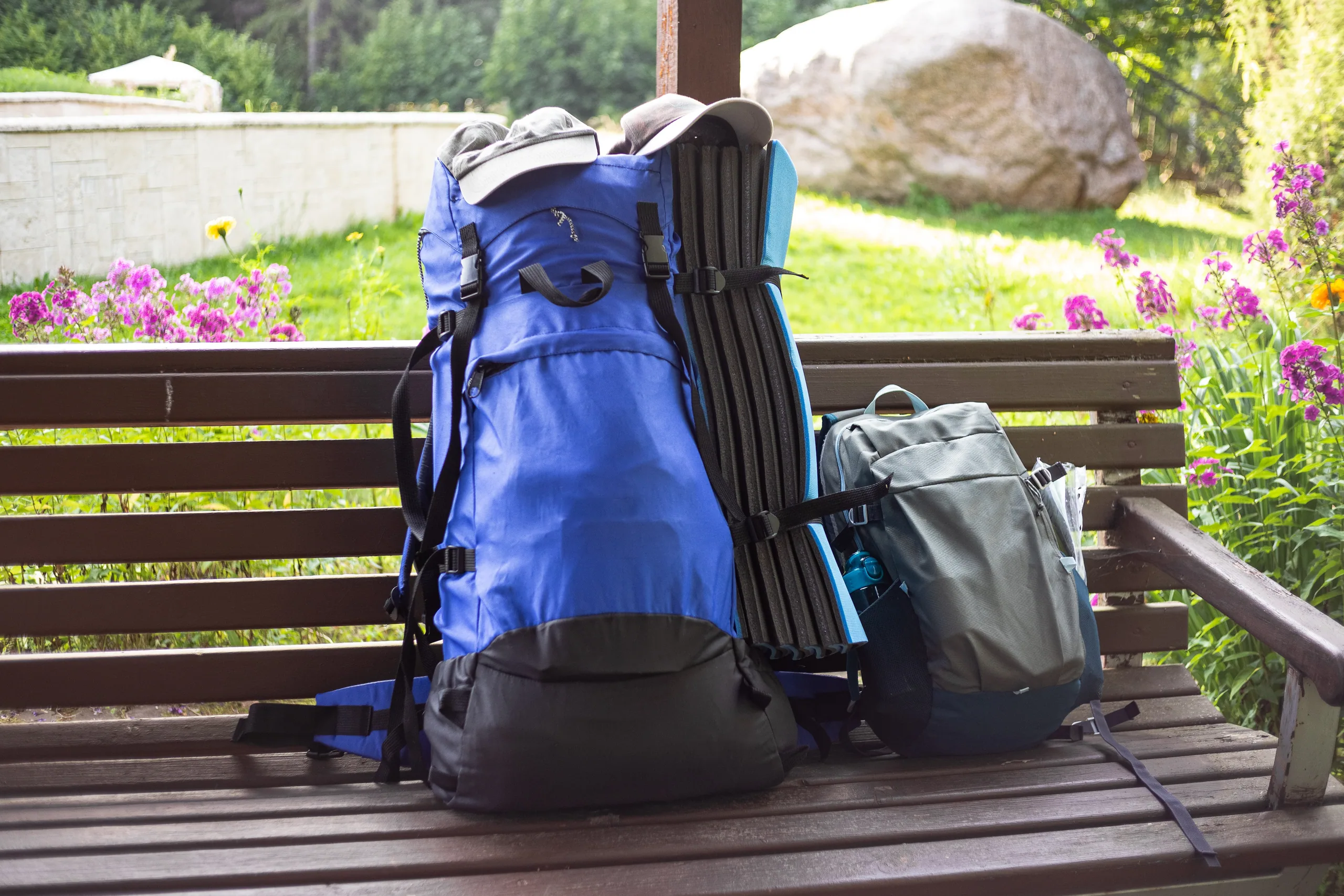
TL;DR (the five non-negotiables)
If you only remember five things, remember these.
One: a proper waterproof breathable jacket. Not a fashion shell, not a poncho. Something rated 10,000mm hydrostatic head or better that lives in your daypack every single day, including January and February. New Zealand weather changes inside an hour and the West Coast averages more rain in a month than London sees in a year.
Two: one warm merino layer, even in summer. A 200-weight merino long-sleeve top weighs almost nothing, doesn’t smell after three days of wear, and is the difference between a cold Milford cruise and a memorable one. Locals live in merino year-round for a reason.
Three: walking shoes you already trust. Trail runners with proper grip for most travellers, mid-cut boots if you have weak ankles or are doing multi-day hikes. Wear them in at home. The country is set up to be walked through and your blister-free Day 3 self will thank you.
Four: high-SPF sunscreen, 50+ minimum. The hole in the ozone layer is not a metaphor here. New Zealand’s UV index regularly hits 11 to 13 in summer (extreme), and you can burn in 10 minutes on an overcast Wellington afternoon. SPF 50+ broad spectrum, reapply every two hours, and pair it with a wide-brim hat and polarised sunglasses.
Five: DEET-based sandfly repellent. Anywhere on the West Coast or in Fiordland, sandflies will find you within four minutes of stopping. They don’t carry disease but they will ruin a riverside picnic. 30 to 50 percent DEET works. Picaridin is the alternative. Skip the citronella wristband nonsense.
Everything else on this list is “useful”. Those five are the difference between loving New Zealand and tolerating it.
The non-negotiables (explained)
Waterproof jacket (yes, even in summer)
The West Coast of the South Island gets between 2,500mm and 6,800mm of rain a year depending on where you are. The eastern side of the divide is bone dry. You’ll cross between the two in a single morning’s drive. A packable waterproof shell with a hood, sealed seams, and pit zips is the most-used piece of gear on any New Zealand trip. It belongs in your daypack from Day 1 to the last drive to the airport. The plastic ponchos sold at supermarket checkouts are fine for a one-off cruise but they will not survive a real Fiordland day. Spend the money once.
Merino base layers
New Zealand basically invented modern merino performance wear (Icebreaker, Mons Royale, Untouched World) and you’ll see locals in it everywhere from boardrooms to alpine huts. Pack two merino tops (one long-sleeve, one short-sleeve), a pair of merino socks for hiking, and you’ve covered most weather scenarios. Merino regulates temperature, doesn’t smell, dries fast, and packs small. If you want to buy in New Zealand rather than ship from home, the Icebreaker factory outlet stores in Auckland, Wellington, and Queenstown discount last season’s stock heavily.
Walking shoes you trust
You will walk more than you expect. Even on a “non-hiking” trip you’ll find yourself on the Milford foreshore, on the Tongariro lookout tracks, around Cathedral Cove, through the Hooker Valley, and along Wellington’s waterfront. Wear shoes that have done at least 50km of walking before you fly. The cheapest version of “the right shoes” beats the most expensive version of “shoes I broke in on the trip”.
High-UV sunscreen (50+ minimum)
This one trips up a lot of European travellers. The UV in New Zealand is roughly 40 percent stronger than at the same latitude in the northern hemisphere because of the ozone hole, clearer atmosphere, and lower pollution. SunSmart NZ recommends SPF 50+ broad spectrum, reapplied every two hours when outdoors. Cancer Society NZ sunscreen is cheap and locally formulated for the conditions. Pack one tube, buy more here. Don’t forget ears, neck, and the backs of your hands at the wheel.
DEET repellent (the sandfly truth)
Sandflies (te namu in Maori) are tiny biting black flies, not the same as Australian sandflies. They concentrate near water on the West Coast and through Fiordland and Doubtful Sound. Bites itch for days. Goodbye Sandfly is the local cult product. Bushman is the strong DEET option. Reapply after swimming and after sweating. They go away inside vehicles and indoors, and they’re basically a non-issue on the east coast of either island. North Island travellers can largely ignore this.
Season-specific packing
Summer (December to February)
T-shirts, shorts, one pair of long trousers, swimsuit, sun hat, sandals or jandals (Kiwi for flip-flops), plus the five non-negotiables above. Add a light fleece or down sweater for evenings, especially anywhere south of Christchurch or above 500m elevation. Pack one set of “going out” clothes for restaurants in Queenstown, Auckland, or Wellington. Locals are casual but smart-casual is appreciated at the better restaurants.
Sun protection is the headline. UV is at its worst between October and March, peaks in January, and is genuinely extreme. Sunglasses are not optional. A buff or neck gaiter is useful for the back of your neck on long drives.
Autumn (March to May)
Layer up. March can still feel like summer in Auckland and Coromandel. May can feel like winter in Queenstown. Pack warm layers (a mid-weight down jacket or a fleece plus a wind shell), long trousers, closed shoes, and your waterproof. Keep the swimsuit and shorts for the first half of the season. Hat, scarf, and light gloves earn their space from late April onward, especially in the South Island.
Autumn is also the wettest part of the year on the West Coast in many years. Double down on waterproofing: gaiters if you’re hiking, an extra dry bag for your camera, and a packable backpack rain cover.
Winter (June to August), especially South Island
Proper winter kit if you’re going below Christchurch. Down jacket, beanie, gloves, scarf or buff, thermal base layers (top and bottom), waterproof trousers if you’re doing anything alpine, and waterproof boots with grip. Snow tyres or chains are a question for your rental company, not your packing list.
The North Island stays mild. Auckland rarely drops below 8 degrees Celsius overnight and most of the central and northern regions are coat-and-jeans weather. Wellington is windy and cold-feeling because of the wind chill, not the temperature. Hot pools (Hanmer Springs, Tekapo Springs, Polynesian Spa, Hot Water Beach) become a highlight in winter. Bring a swimsuit even in July.
Spring (September to November)
The most volatile season. The classic “four seasons in one day” applies hardest here. Pack as if for autumn, plus an extra layer, plus extra patience for weather. Rivers are running high with snowmelt, mornings are cold, afternoons can be t-shirt warm in the sun and freezing in the shade. Sunscreen matters again from October onward.
Activity-specific add-ons
Milford Sound (or Doubtful Sound) cruise
Even on a 25 degree Celsius summer day, it will be 10 degrees cooler on the water with wind chill. Bring a warm layer (the merino top), your waterproof shell, a beanie or buff, and closed shoes. The boats are heated but the best photos happen on the open back deck. Day cruises usually include hot drinks. Overnight cruises usually provide gumboots for shore landings. See our Milford Sound guide for cruise specifics.
Tongariro Alpine Crossing
A real alpine day even in summer. Pack: 2 to 3 litres of water, lunch and snacks (no shops on the track), waterproof shell, warm mid-layer, sun hat, sunscreen, polarised sunglasses, hiking poles if you have them, blister plasters, and your trail shoes or boots. Start temperatures can be below freezing on summer mornings at the trailhead. Mid-day temperatures on the exposed crater section can hit 25 degrees Celsius. Pack for both. Full breakdown in our Tongariro Alpine Crossing guide.
Outside the October-to-April window the Crossing is a full alpine expedition: ice axe, crampons, avalanche awareness. Check the Mountain Safety Council and NZ Avalanche Advisory before you go, or go with a guide.
Ski week
Most rentals are easy to organise on arrival in Queenstown, Wanaka, Ohakune, or Methven, so don’t fly with skis unless you really love your own gear. Bring your own helmet if you can (rental helmets vary). Pack: thermal base layers, mid-layer fleece, ski jacket and pants (rentable but bulky), ski socks, neck gaiter, ski goggles, sunscreen, lip balm with SPF, hand warmers if you feel the cold. The sun on the snow is brutal. UV reflects off the snow even on overcast days. Field info at NZSki, Cardrona, and Ruapehu.
Self-drive road trip
A few small things make the days much better:
- Universal phone holder for the dashboard or vent (Google Maps is your navigator and rental cars don’t always have great mounts).
- USB-C and Lightning cables long enough to reach the back seat.
- A reusable water bottle each. Tap water is excellent everywhere in New Zealand. There’s no need to buy bottled.
- A small soft cooler or chilly bin for picnic lunches. New Zealand has incredible roadside bakeries and farmers markets but limited mid-drive dining outside towns.
- A microfibre towel for spontaneous swim stops.
- An Airalo or local SIM for data. Coverage is good on main routes, patchy in the back country.
What NOT to pack (the overpack list)
A lot of travellers arrive with bags they regret. The most common offenders:
- A second pair of “just in case” shoes. You won’t wear them. Bring one trusted pair plus jandals or sandals.
- A full toiletry kit. Everything from shampoo to sunscreen to tampons to contact lens solution is easy to buy in any New Zealand supermarket (Countdown, New World, Pak’nSave) or pharmacy. Bring a one-week starter set and restock.
- Heavy denim jeans for hiking. They get heavy when wet and never dry. Quick-dry trousers or hiking pants are far better.
- A “smart” outfit for nights out. Kiwi restaurants are casual. A clean shirt and clean trousers is dressed up.
- A travel iron. No one will see your wrinkles. Hotels have one if you really need one.
- More than NZD 200 in cash. Card works almost everywhere. You can withdraw NZD if you actually need it.
- A massive first-aid kit. Pack the basics (blister plasters, paracetamol, ibuprofen, antihistamines, your prescriptions) and buy anything else at a pharmacy. New Zealand has world-class medical care.
- An umbrella. Useless in the wind. A hood works better.
NZ-specific stuff
Plug type and voltage
New Zealand uses the Type I plug: two angled flat pins in a V shape, plus an earth pin. Same as Australia and Fiji. Voltage is 230V at 50Hz.
Almost all modern chargers (phones, laptops, cameras, e-readers) are dual voltage and just need a cheap physical adapter. Check the small print on your charger brick: if it says “Input: 100-240V” you’re fine with an adapter. If it says “120V only” (some North American hair tools, kettles, and small appliances), you need a voltage converter, not just an adapter. Cheaper to buy a 230V version locally for a long trip.
A small travel power strip with one Type I plug and three or four outlets on the other end is the smartest thing you can pack. One adapter, charges everything overnight.
Customs declaration (be honest)
This is the one rule it really matters to follow. New Zealand’s biosecurity is the strictest in the world because the country is free of many pests and diseases (foot-and-mouth, rabies, many crop pests) and wants to stay that way.
Declare everything food-related, every piece of outdoor gear, and anything you’re unsure about to Biosecurity NZ (MPI). The arrival card is straightforward. Declaration is free. The instant fine for failing to declare is NZD 400 and they x-ray every bag.
Specific things people get caught on:
- Hiking boots, tents, fishing gear, and bicycles: must be scrubbed clean of all dirt and soil before you arrive. Border officers inspect them. They will send you to wash them at the airport if they’re dirty.
- Food: no fresh fruit, no meat, no honey, no dairy, no seeds, no plant matter. Even your leftover plane snacks. Bin them before customs.
- Wooden carvings, handcrafts, and souvenirs: declare them. Most are fine after inspection.
When in doubt, declare. Border officers are friendly when you’re upfront and brutal when you’re not.
Cash and cards
Tap-to-pay (contactless) works basically everywhere: cafes, taxis, food trucks, market stalls, rural petrol stations. Most travellers spend zero cash for a two-week trip.
Where cash is still useful:
- Backcountry hut warden boxes (DOC huts pay-and-go).
- Some farmers markets and honesty-box farm stalls (eggs, fruit, flowers by the road).
- Small parking meters in some smaller towns.
- The very occasional rural pub.
NZD 100 in small notes covers all of the above for most itineraries. Most ATMs accept international cards. Ask your card provider about foreign transaction fees before you leave: full breakdown in our money and banking guide.
The practical stuff nobody mentions
A handful of small things that make a real difference and rarely make the standard packing lists.
- A foldable daypack (20 to 25L) that lives inside your main bag. You’ll use it every day for walks, cruises, and supermarket runs.
- A power bank. Long driving days, taking photos all day, and you’ll be at 8 percent battery by 4pm.
- A buff or neck gaiter. Doubles as a sun shield, dust mask, headband, and warm layer for the neck on cold mornings.
- Earplugs. Hostel dorms, hut sleepers on Great Walks, and the occasional motel near State Highway 1 will thank you.
- A spare phone charger cable. They die. Always.
- A small head torch if you’re doing any hiking, even day walks. The sun sets fast behind mountains.
- Sunglasses with polarised lenses. Cuts glare on water and snow and makes alpine driving safer.
- A small dry bag for wet swimsuits, muddy socks, or your camera in the rain.
- Snacks for the road. Long stretches between towns. A bag of trail mix or a bakery pie covers the gap.
- A book or downloaded podcasts. Driving distances are longer than the kilometres suggest. Roads are slow and winding.
Things to leave at home: the drone (you need a permit for most public land), the speakers (you’re sharing huts and campsites), and any sense that you’ll be cold in summer everywhere you go. You won’t. You will be cold in the wrong place at the wrong time, which is why you packed merino.
Final word
The best New Zealand packing list is the shortest one. The country is well-organised, well-stocked, and easy to buy whatever you forgot. Focus on the five non-negotiables (rain shell, merino layer, trusted shoes, high-SPF sunscreen, DEET repellent), pack for the actual weather rather than the season you expect, and leave space in your bag for an Icebreaker top or two on the way home. See our best time to visit New Zealand guide for the weather realities your packing list is built around.
Three weeks in February with a 40L pack is the trip most travellers wish they’d done. Pack lighter than you think. Buy what you need when you arrive. Spend the saved energy on the country itself.