
When to visit New Zealand: An honest month-by-month guide
When to actually visit New Zealand: month-by-month weather, crowds, costs and the shoulder-season sweet spots most guides skip.
TL;DR (the bottom line)
If you can pick any time of year, come in February or late March. February gives you the most reliable summer weather of any month, plus Kiwi kids are back at school so the beaches, Great Walks, and campgrounds are noticeably emptier than January. Late March keeps the warm water and long evenings while flights, campervans, and lodges start dropping back to shoulder-season pricing. Both months give you genuine “best of New Zealand” weather without the December 26 to January 15 carnage when every Kiwi family is at the beach.
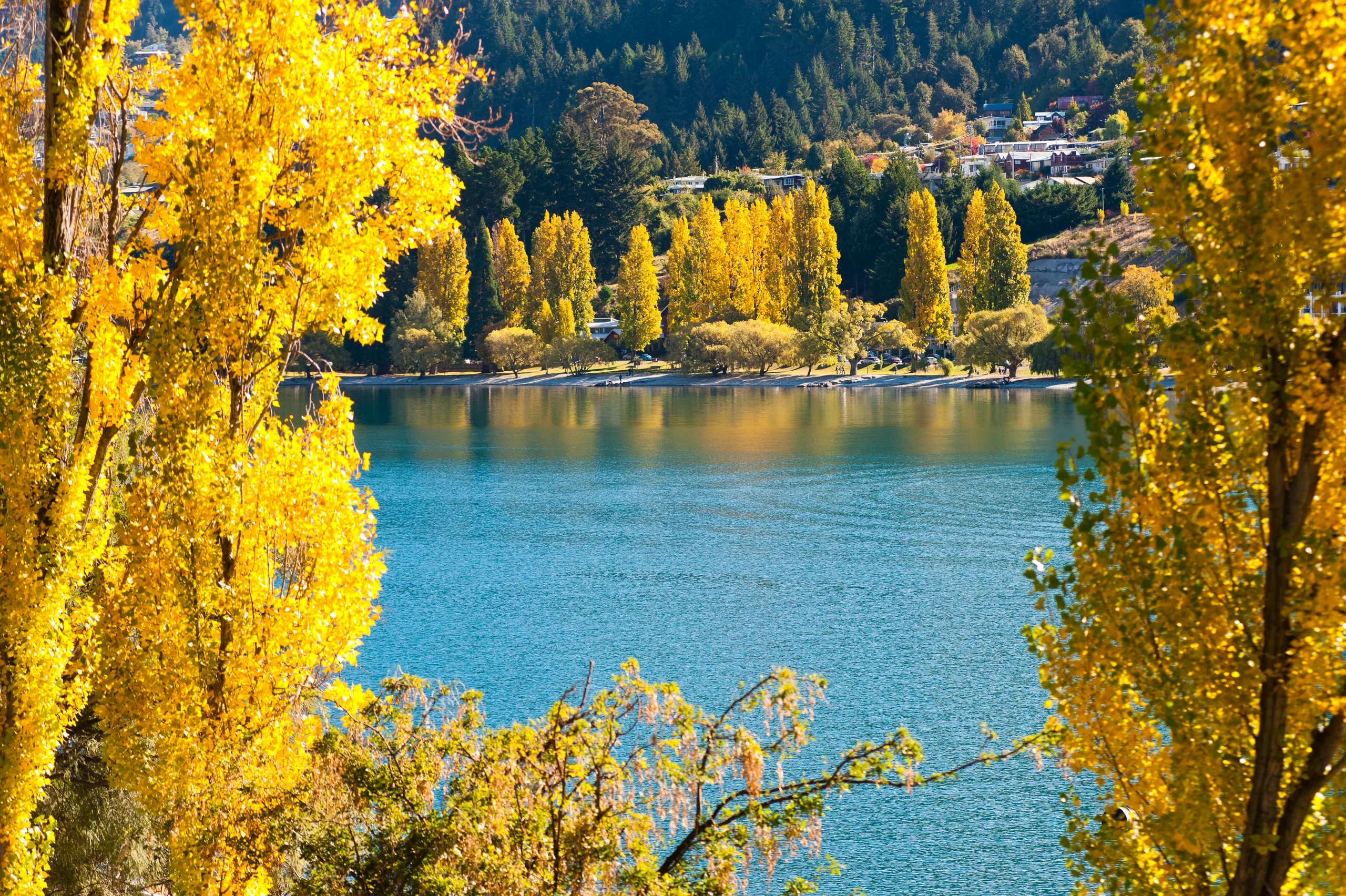
If you want autumn colour, mid-April through Anzac weekend is unbeatable through Wanaka, Arrowtown, and Central Otago. If you ski, late July to mid-August is when Queenstown and Wanaka snow is most reliable. If you’re a hiker, October to early December opens up the alpine tracks (Tongariro, Routeburn, Kepler) without the peak-summer crowds.
The worst time? The fortnight from Boxing Day to mid-January is when crowds peak, prices peak, and the weather isn’t actually any better than February. Avoid it if you can. The other awkward window is late September into early October when spring weather is most volatile and the ski fields are winding down. Everything else is fair game, including winter, which is genuinely beautiful in the South Island if you’re not expecting beach weather.
The single most useful thing to know: New Zealand seasons are flipped from the northern hemisphere. Christmas is summer. Easter is autumn. June is short days and snow. Plan accordingly.
The seasons (reversed from northern hemisphere)
Summer (December to February)
Long days (up to 15+ hours of daylight in the south), warm sea, and the country’s busiest period. Christmas to mid-January is when every Kiwi family is at the beach: campgrounds book out, holiday rentals double their rates, and SH1 is bumper to bumper on December 26. From late January onwards it eases off and February is the sweet spot of the entire calendar: locals are back at work, the weather is most stable, and the long-distance walks are at their best.
Autumn (March to May), the locals’ secret
The most consistently underrated season. March is essentially extended summer with cheaper prices. April brings autumn colour through Wanaka, Arrowtown, and Hawke’s Bay, plus the country’s best wine harvest weather. Easter is a four-day weekend so domestic travel spikes briefly, but otherwise April is quiet, cheap, and beautiful. May is a transitional month: cold mornings, golden afternoons, ski resorts gearing up, and accommodation prices at their lowest before winter ski rates kick in.
Winter (June to August)
Snow on the Southern Alps, ski fields running, and the South Island at its most dramatic. The North Island stays mild (Auckland rarely drops below 8 degrees Celsius overnight) but the South Island gets properly cold and roads in alpine country can ice over. Winter is excellent for skiing, soaking in hot pools, glacier viewing, and Milford Sound on a clear cold day. It’s not the time for swimming, beach drives, or the alpine Great Walks. Prices outside ski towns are at their lowest.
Spring (September to November)
The most volatile season. September can still feel like winter through the lower South Island, while late November feels like summer in Auckland. Lambs in the paddocks, daffodils through the Wakatipu Basin, and the alpine walks reopen. Weather is genuinely four-seasons-in-one-day. November is the underrated sweet spot: warm enough for hiking, cool enough for empty trails, and prices haven’t jumped to summer rates yet.
Month by month
December
Daylight is at its longest (up to 9:30pm sunsets in the south) and the weather is genuinely warm. The first three weeks are quiet on a New Zealand scale, then Boxing Day hits and the country fills up. Best for: shoulder-of-summer feeling without peak prices, if you can travel before December 23. Watch out for: anything booked on or after December 24 will be peak rates.
January
Peak crowds, peak prices, peak weather. School holidays run until late January and every coastal town is at capacity. Beaches, ferries, and Great Walk huts need to be booked months ahead. Auckland and Queenstown are at their busiest. Best for: travellers who genuinely want hot weather and lively beach towns and have booked everything in advance. Watch out for: prices 30 to 50% above shoulder, packed roads, and Mount Cook Village fully booked.
February, peak weather, locals back at work
The best month in the calendar for most travellers. Schools are back, so beaches and campgrounds clear out noticeably. The weather is statistically more settled than January (less rainfall, more sunshine hours in most regions) and the sea is at its warmest. Cicadas everywhere. Best for: pretty much everyone. Best of weather plus most reliable accommodation availability. Watch out for: Waitangi Day (February 6) is a public holiday and a domestic travel weekend.
March
The other sweet-spot month. Warm, settled, often clearer than midsummer (less haze), and prices start to step down from peak. The first signs of autumn appear in Central Otago by month-end. The wine regions are in harvest. Best for: Great Walks, road trips, wineries, and value-conscious travellers. Watch out for: not much. March is excellent.
April
Autumn colour through Wanaka and Arrowtown peaks mid to late April. The Marlborough wine harvest finishes. Days are noticeably shorter and the South Island gets crisp mornings. Easter weekend (date varies, often in April) brings a domestic travel spike for four days. Best for: autumn scenery, wine country, photographers, and travellers who want quiet trails. Watch out for: Easter weekend bookings, and the school holiday fortnight that overlaps Easter.
May
A transitional month most international travellers skip, which is exactly why it’s worth considering. First snow dusts the Alps. The Milford Road can have weather closures. Accommodation is cheap. Daylight is short (5pm sunsets in the south). Best for: photographers, hot pool fans, quiet Fiordland, and serious value. Watch out for: shortening days, cold nights, and some smaller operators winding down.
June
The Matariki public holiday (mid to late June, date varies) marks the Maori new year and is a domestic travel weekend. Otherwise June is quiet across most of the country until ski fields start opening late in the month. Bluff oyster season is in full swing. Best for: ski-trip warmups, foodies, and travellers who want empty North Island walks. Watch out for: ski fields aren’t usually fully open until July. Don’t book a Queenstown ski trip for the first week of June.
July
The depth of winter. Coldest month, shortest days, and the heart of ski season. Queenstown, Wanaka, Ohakune, and Mount Hutt are all running. Milford Sound is at its most cinematic on clear days. The South Island school holidays cause a brief two-week ski-town spike. Best for: skiing, snowboarding, hot pools, glacier viewing, and dramatic Fiordland. Watch out for: alpine driving conditions. Don’t self-drive icy roads without chains experience.
August
Best snow of the season, less volatile weather than July, and the most settled ski conditions. Slightly more daylight than July. Whales offshore from Kaikoura. The North Island feels milder than the South. Best for: serious skiers and snowboarders, Kaikoura whale-watching, and travellers who want winter without the deep darkness. Watch out for: end-of-month ski crowds during late season events.
September
The most volatile month of the year. Can feel like winter or spring depending on the week. Ski fields are still open early in the month, then most close mid-September. Daylight saving starts late September, jumping sunset to 7:30pm. Lambs everywhere. Best for: bargain hunters, ski tail-enders, and travellers comfortable with variable weather. Watch out for: closed alpine huts, unpredictable Great Walks conditions, and that awkward “between seasons” feeling.
October
Spring proper. The alpine tracks officially reopen mid-October (Tongariro, Routeburn, Kepler, Milford Track for the season’s first walkers). Temperatures climb week by week. Cherry blossom through Alexandra and Cromwell. Genuinely quiet on trails and roads. Best for: hikers, value-conscious travellers, and people who want spring scenery without summer crowds. Watch out for: cold snaps. Mountain weather can still be wintry into early October.
November
The shoulder-season pick of the year. Long days returning, warm afternoons, and pre-summer pricing on flights and lodges. The Great Walks are open and quiet. Rivers are running high with snowmelt (good for waterfalls, careful for crossings). Pohutukawa trees start flowering in the north. Best for: hikers, road-trippers, photographers, and travellers who want summer feel without summer pricing. Watch out for: snowmelt-swollen rivers and unpredictable late-spring weather days.
Worst time to visit (and why)
The two weeks of NZ summer school holidays (December 26 to January 15)
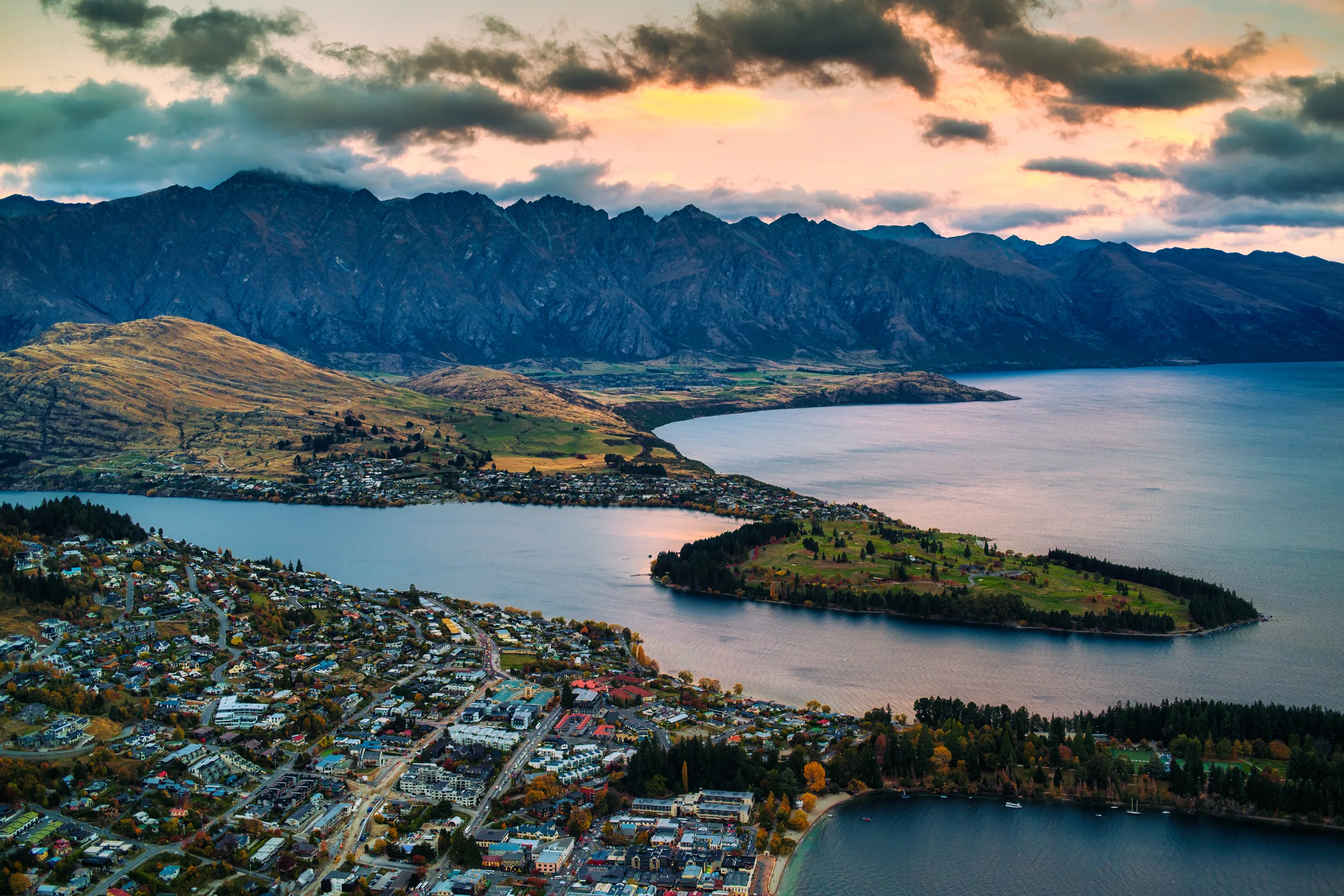
If we had to pick one fortnight to avoid, it’s this one. Every Kiwi family is at the beach, every campground is at capacity, every Great Walk hut was booked in May, and accommodation rates double. SH1 northbound out of Auckland on December 26 and 27 is famous for traffic. The weather is genuinely good, but it’s not better than February. You’re paying peak prices to share the country with everyone who lives here. Skip it unless you’re locked in by school holidays back home.
Late September / Early October (the variable shoulder)
The other awkward window. Ski fields are closing, summer hasn’t arrived, and the weather can do almost anything. Alpine huts are between seasons. Some smaller operators are still closed for the winter. You get value, but you also get more wet days, fewer open trails, and short daylight. Mid-October onwards is much more reliable. If you have flexibility, push to late October or November instead.
Best time by activity
For Milford Sound
Year-round, honestly. Milford is one of the wettest places on earth so “good weather” is a moving target. November to March has the most reliable cruise schedules and the easiest driving conditions on SH94. June to August gives you snow on the cliffs and the most cinematic moody Milford, but with real avalanche risk on the road (take a coach, don’t self-drive in winter). April to May and September to October are the underrated shoulder windows: fewer coaches, often clearer visibility than midsummer haze. See our full Milford Sound guide for cruise timing.
For Tongariro Alpine Crossing
October to April without a guide. The crossing is treated as a serious alpine expedition from May to September: ice axe, crampons, and ideally a guided trip. Even in summer it can close for high winds (above 50 km/h) or volcanic activity. Best months for clear weather and stable conditions: February, March, and early April. Always check the MetService forecast and DOC track status the day before, and the GeoNet volcanic alert level for Mt Tongariro. The track is busy in summer, so an early start (on the trail by 7am) is the difference between a great day and a parade.
For glaciers (Franz Josef and Fox)
Year-round. Heli-hikes onto the ice run nearly every day weather permits. See our Franz Josef Glacier guide for operator detail. Winter (June to August) gives you the most reliable cold for ice activities, but more flight cancellations. March and April often have the most settled weather on the West Coast, which is the wettest region in the country. Walking to the terminal face is year-round (the access tracks change with glacier movement).
For skiing
July to mid-September. Queenstown (Coronet Peak, The Remarkables), Wanaka (Cardrona, Treble Cone), and Mount Hutt run roughly late June or early July through early October. August is the peak month for reliable snow and longer ski days. Ohakune fields (Whakapapa, Turoa) on the central North Island run similar dates but conditions vary year to year.
For wineries and food
Late summer and autumn. March and April are when the harvest happens through Marlborough, Central Otago, and Hawke’s Bay. Vineyards are buzzing, cellar doors are at their best, and the food festivals (Hawke’s Bay, Marlborough) cluster around this window. February is also excellent. Winter is fine for tastings but the vineyards themselves are dormant.
Climate by region
North Island (subtropical to temperate)
The far north (Bay of Islands, Northland) is genuinely subtropical: warm sea into April, mild winters, more humidity than the rest of the country. Auckland and Coromandel are similar with slightly cooler winters. Wellington is windy year-round (it’s not a myth) but mild. The central North Island (Taupo, Tongariro, Ruapehu) gets proper winter with snow on the ski fields. Summer highs through most of the North Island sit around 22 to 26 degrees Celsius.
South Island (alpine and maritime)
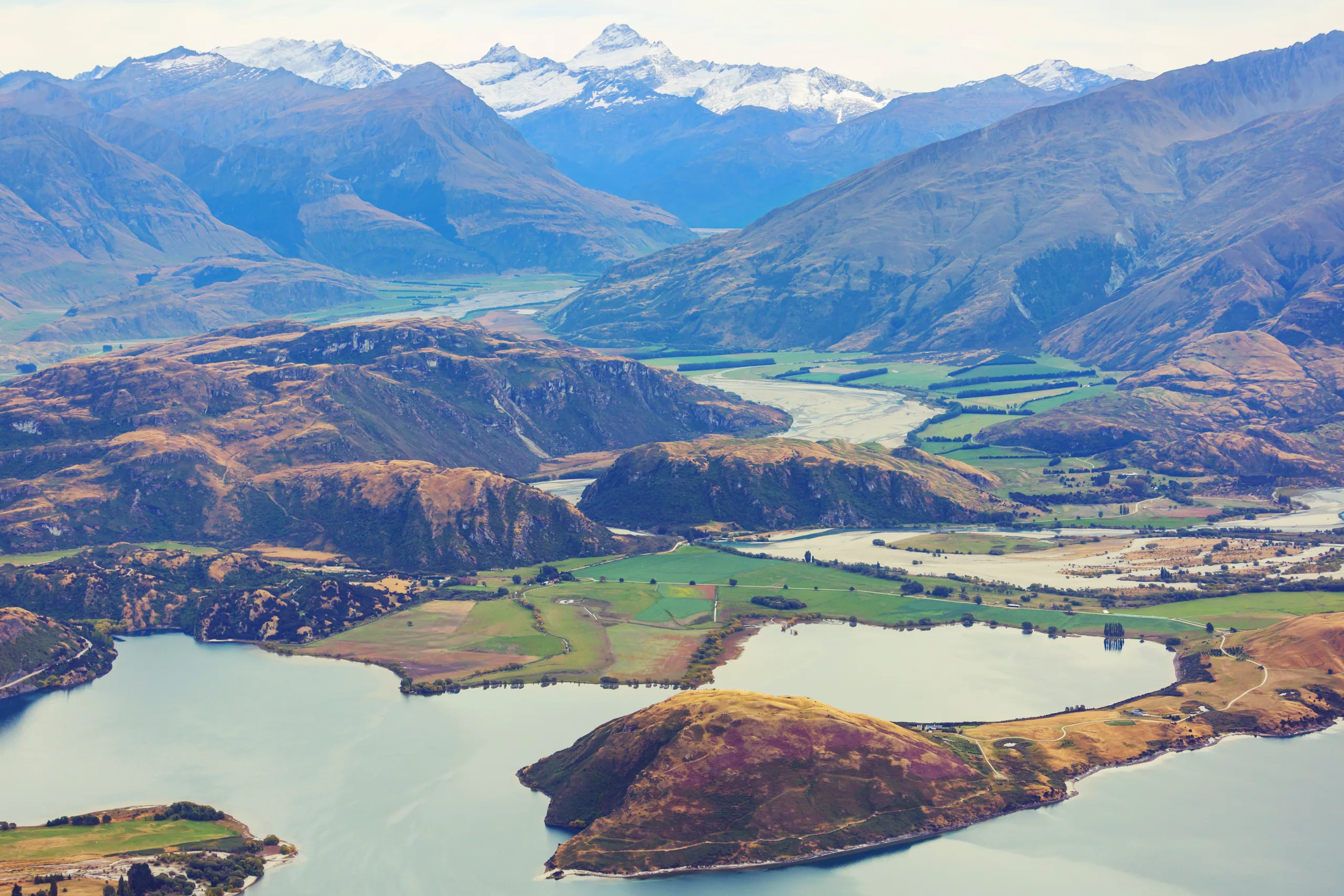
Christchurch and the east coast (Marlborough, Canterbury, Otago coast) are dry, sunny, and can get hot in summer (30 degrees Celsius isn’t unusual in Central Otago). The interior is alpine: hot summer days, cold summer nights, and proper winter snow. Queenstown and Wanaka sit at around 300m elevation and swing 25 degrees in summer to minus 5 in winter overnight. Mount Cook Village and Tekapo are colder again.
West Coast (wet)
The West Coast of the South Island is the wettest part of New Zealand and one of the wettest places on earth. Hokitika, Greymouth, and Westport see 2,500 to 3,000mm of rain annually. Milford gets closer to 6,800mm. There is no “dry season”. Pack for rain in any month. The flip side: when the West Coast is clear, it’s spectacular, and the rainforest is at its best with water moving through it.
East Coast (dry)
The east coast of both islands sits in the rain shadow of the alpine ranges. Hawke’s Bay, Marlborough, Canterbury, and Central Otago are the country’s sunniest, driest regions. Hawke’s Bay gets 2,200+ sunshine hours a year. Central Otago is genuinely arid with vineyards and thyme-covered hills that look more Mediterranean than alpine. If you want reliable sunshine and don’t want to gamble on West Coast weather, plan your time east of the divide.
Honest verdict
If you’re flying halfway around the world to visit New Zealand, come in February. It’s the single most reliable month for weather across both islands, the country has emptied out after school holidays, and you’ll get genuine “best of New Zealand” days more often than any other month. Late March is a close second and gives you the same weather with shoulder pricing. Before you finalise dates, skim our packing list and driving guide so the itinerary matches the season.
If you have flexibility and you’d rather have the country to yourself, come in early November or mid-April. Both are quiet, both are cheap, and both are genuinely beautiful. November gives you spring and the alpine tracks just reopening. April gives you autumn through Central Otago and the West Coast at its driest.
If you ski, you already know: late July to mid-August.
The worst trip is the one booked on autopilot for the last week of December because that’s when school’s out back home. The weather isn’t better than February, the prices are 50% higher, and you’ll share the country with five million Kiwis on summer holiday. If you can possibly shift to a different fortnight, do.
New Zealand is small but slow. The best time to come is whenever you can stay longest. Three weeks in February is the trip most travellers wish they’d booked. Make that trip, ideally.