
GST, tipping & prices in New Zealand
Honest guide to prices in New Zealand: 15% GST is included, tipping isn't expected, and here's what you'll really pay for coffee, dinner and a hotel.
TL;DR (the three things to know)
There are three things about money in NZ that surprise almost every visitor on day one:
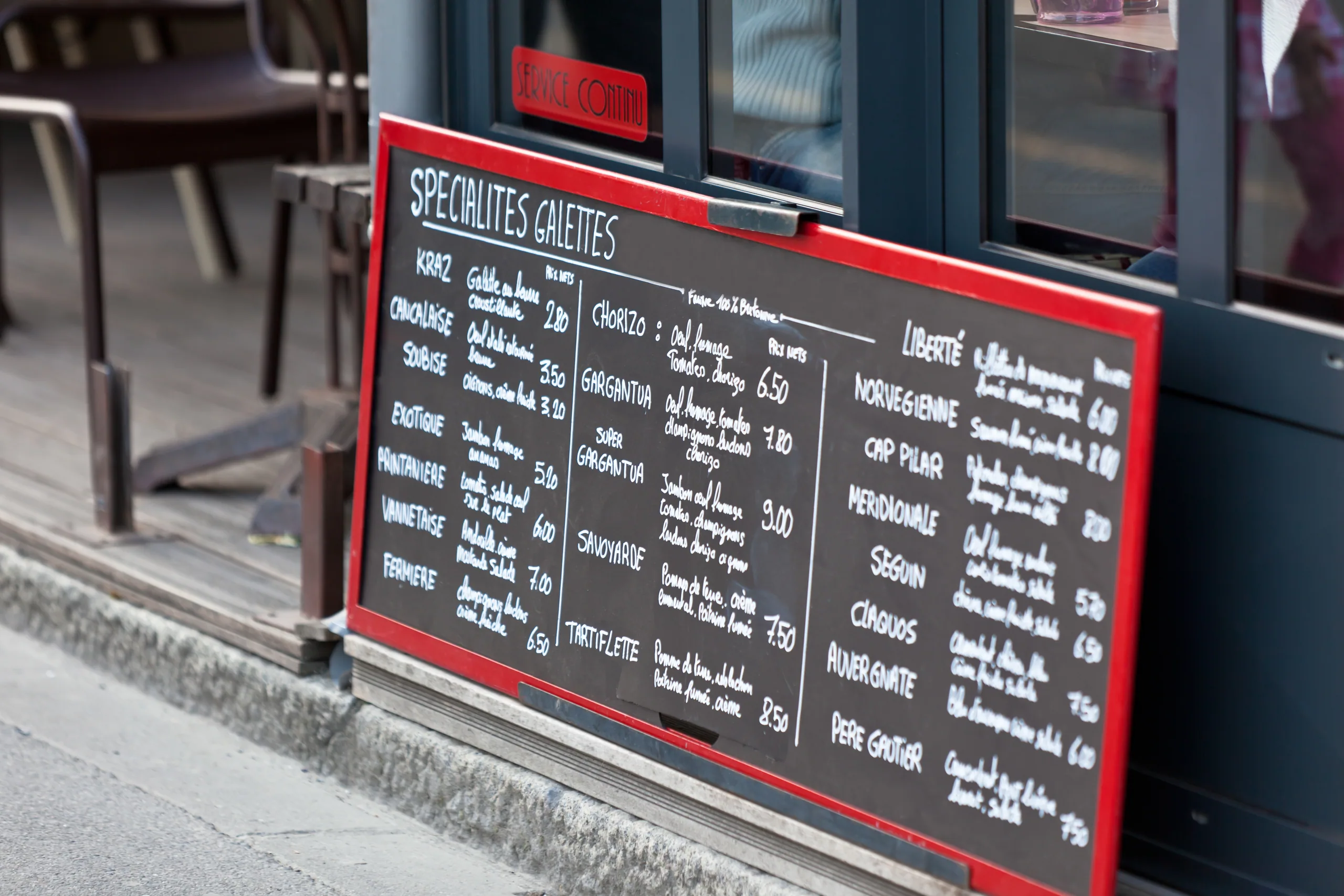
One, GST is always included in the price. The number on the menu, the shelf, or the website is the number you pay. No tax added at checkout. The whole country runs on GST-inclusive pricing.
Two, tipping isn’t a thing. Wait staff, baristas, and taxi drivers are paid proper wages. Tipping at a normal cafe or restaurant is genuinely uncommon and sometimes met with confusion. You can tip for exceptional service in fine dining or for a great multi-day tour guide, but for everyday transactions, just pay the bill.
Three, NZ is moderately expensive but predictable. Coffee is NZD$5 to $7. Pub dinner is NZD$25 to $38. Hotel double is NZD$220 to $400. Rental car is NZD$45 to $90 per day. Petrol is around NZD$2.80 per litre. There are no hidden costs, no surprise tipping, no haggling, no service charges added at the end. What you read is what you pay.
For most short-stay visitors, the right mental model is: NZ costs roughly the same as Australia, slightly more than the US for food and rooms, slightly less than the UK or Western Europe for activities and outdoors.
GST: how it works in NZ
Goods and Services Tax is NZ’s value-added tax, set at a flat 15% since October 2010. It applies to almost everything consumers buy: food, restaurants, hotels, transport, tours, retail goods, online purchases from NZ businesses, services, accommodation, alcohol, and clothing.
The crucial detail for tourists: GST is always built into the displayed price. The Consumer Information Standards regulations require any price shown to consumers to include all taxes. So if the menu says a coffee is NZD$5.50, you pay NZD$5.50 — never NZD$5.50 plus tax. If the hotel website lists a room at NZD$249, you pay NZD$249 — the price already includes the GST component.
This applies to:
- Restaurant menus, cafe boards, takeaway prices
- Supermarket shelf prices
- Hotel and motel rates (on the property’s own website)
- Activity and tour bookings (on the operator’s NZ-facing site)
- Petrol prices at the pump
- Taxi and rideshare fares (built into the meter or app)
- Retail prices in shops
- Online purchases from NZ-registered businesses
It’s also worth knowing what doesn’t include GST in the visible price:
- Business-to-business invoices sometimes show prices as “+GST” because the buying business reclaims the tax. Not relevant to tourists.
- Some hotel international booking sites (Booking.com, Expedia) occasionally display the room rate excluding NZ taxes and then add it at checkout, depending on the listing — always look at the final total.
- International cruise lines and some inbound tour wholesalers quote in USD or AUD with NZ taxes shown separately. The booking process should clarify before payment.
For 95% of in-country purchases, you’ll see one number and pay one number.
Why this is different from the US
US visitors are used to seeing sticker prices that exclude state and local sales tax, then having anywhere from 4% to 12% added at the till. NZ doesn’t do this. The first time you order coffee, you’ll pay exactly what the chalkboard says. This is the default everywhere.
Why this is different from the EU
EU countries also include VAT in displayed prices, similar to NZ, but VAT rates vary by country (19% Germany, 20% France/UK, 22% Italy, 25% Denmark) and by product (reduced rates on food, books, transport in some countries). NZ has one flat rate of 15% on essentially everything, which makes prices simpler if not always cheaper.
GST refund for tourists (there isn’t one)
NZ does not have a tourist GST refund scheme. Unlike Australia (TRS, Tourist Refund Scheme), Singapore (eTRS), the EU (various national schemes), and Japan (tax-free shopping), you cannot claim back the 15% GST on goods you buy in NZ and take home.
This catches Australian visitors out routinely because the AU TRS scheme allows them to claim back GST on goods over AUD$300 on departure. There’s no equivalent in NZ. The price you paid is the final price.
The one exception: if a NZ retailer ships goods overseas directly (you don’t carry them out), the export is GST-free. The retailer can refund or omit the 15% in this case. Some high-end retailers (jewellery, art, audio gear, fine wine, some Maori arts and crafts galleries) will arrange this for you. It’s not common for normal souvenirs and not worth pursuing for anything under a few hundred dollars.
The other exception: if you’re a NZ tourism business buying goods or services for resupply, you can claim input GST. Not relevant to visitors.
For practical purposes, assume the 15% you paid is gone. NZ tourism is taxed and that’s the deal.
Tipping in New Zealand (genuinely not expected)
This is one of the things that takes American visitors longest to internalise. NZ does not have a tipping culture. Service workers earn proper wages (NZD$23.15/hour minimum for adults in 2025, more for skilled hospitality, often topped up by employer-paid bonuses or share of takings in fine dining). Tipping is not part of their income calculation.
What this looks like in practice:
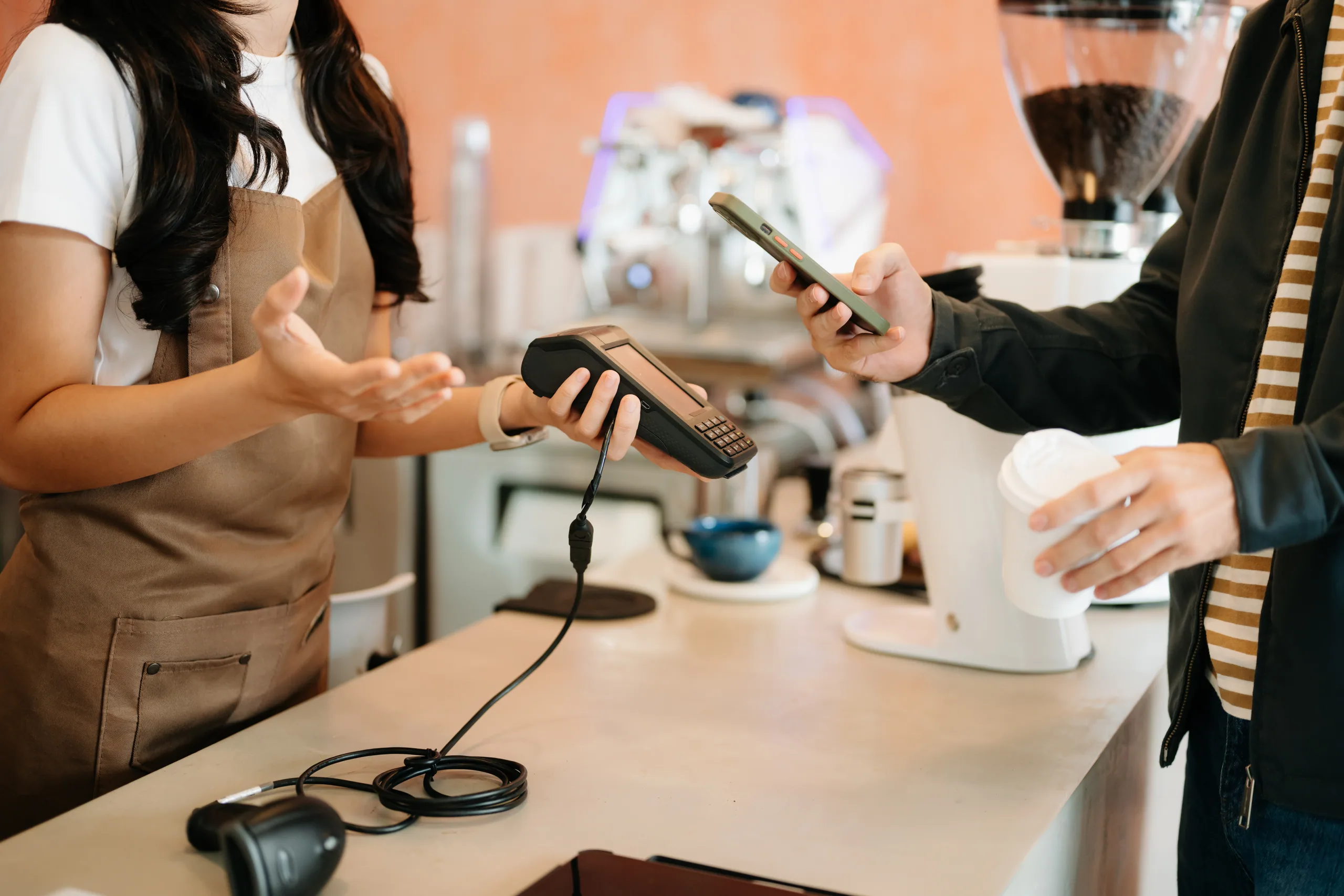
- At a cafe: you order, you’re served, you pay the bill. No tip. No “would you like to tip 18%, 20%, or 25%?” screen on the EFTPOS terminal. The transaction is complete.
- At a restaurant: you eat, the bill comes, you pay. No tip line on the bill. No expectation. No awkwardness about leaving a 10% tip — they’ll genuinely wonder what it’s for.
- In a taxi: you pay the metered fare or the Uber price. No tip. Drivers don’t expect a 10 to 20% addition.
- At a bar: you order, pay, drink. No tipping at the bar. No tipping for table service.
- At a hotel: housekeeping is done. No envelope. Bellhops, when they exist, don’t expect tips for a single bag.
- At a hairdresser: pay the listed price. That’s it.
When tipping is appropriate
There are a few situations where a tip is appreciated but still not expected:
- Exceptional service in fine dining: 5 to 10% on the bill, in cash if possible, given to the waiter directly. They’ll be genuinely pleased and slightly surprised.
- Multi-day tour guides (3+ days): NZD$20 to $50 per day at the end of the trip is the local norm. Hand it in an envelope at the farewell dinner. This is the one situation where tipping is genuinely expected.
- Luxury lodge housekeeping: NZD$5 to $10 per night for high-end stays (Huka Lodge, Wharekauhau, Eichardt’s). Less so for normal hotels.
- Backcountry boat/heli operators who do something heroic for you: a few NZD$ on departure is appreciated.
- Private driver-guides on day tours: NZD$20 to $50 per day at the end, depending on the experience.
When tipping is wrong
- Trying to tip 20% at a normal cafe or restaurant: the staff will sometimes try to give it back, thinking you misread the bill.
- Tipping the chef directly when not asked: comes across as patronising in casual dining.
- Tipping in cash to avoid being asked on the EFTPOS terminal: the terminal won’t ask. There’s no prompt.
Why the difference
NZ wages are tied to the legal minimum, which is currently NZD$23.15/hour for adults — about USD$13 to USD$14 at typical exchange rates. That’s lower than the US minimum-wage-plus-tip income for waiters in many high-tip states, but it’s a fixed reliable wage paid by the employer. Hospitality businesses budget labour costs at that level rather than expecting customers to top it up via tip.
This isn’t a moral statement — it’s just how the local economy is structured. Adopting tipping by visitors won’t change NZ wages, and the people you’re tipping aren’t waiting hopefully for it.
What things actually cost
Here are honest 2025 to 2026 prices for what you’ll spend on a typical NZ trip, sourced from current menus, accommodation listings, and operator pricing.
Food and drink
| Item | Typical price (NZD) |
|---|---|
| Flat white in a city cafe | $5 to $7 |
| Cappuccino, latte, long black | $5 to $7 |
| Mocha or specialty drink | $6 to $8 |
| Tea (loose-leaf) | $4 to $6 |
| Pastry, slice, or muffin in a cafe | $4 to $8 |
| Cooked breakfast (eggs benny / pancakes / big breakfast) | $18 to $28 |
| Sandwich, panini, or wrap (cafe lunch) | $10 to $18 |
| Sushi roll (single, not box) | $4 to $7 |
| Sushi train per plate | $3 to $6 |
| Fish and chips for one (takeaway) | $14 to $22 |
| Pie from a bakery | $6 to $9 |
| Burger and fries at a casual cafe | $20 to $28 |
| Pub dinner main | $25 to $38 |
| Mid-range restaurant main | $32 to $48 |
| Pasta dish at an Italian restaurant | $28 to $38 |
| Steak (200g sirloin, mid-range) | $40 to $55 |
| Fine dining mains | $42 to $65 |
| Fine dining tasting menu (5 to 7 course) | $130 to $260 |
| Pint of beer in a pub (mainstream lager) | $9 to $12 |
| Pint of craft beer | $11 to $14 |
| Glass of house wine (175ml) | $10 to $14 |
| Bottle of wine in a restaurant | $50 to $90 |
| Bottle of wine from a supermarket or wine shop | $15 to $35 |
| Cocktail in a city bar | $18 to $24 |
| Soft drink in a cafe | $4 to $6 |
| Bottle of water (500ml) at a service station | $3 to $5 |
Supermarkets
NZ supermarkets are dominated by Countdown (Woolworths-branded), Pak’nSave (the cheapest), New World (the priciest), and budget chain 4 Square for small-town reach. Typical weekly shop:
| Item | Typical price (NZD) |
|---|---|
| Loaf of bread | $3 to $7 |
| 1L milk | $3.50 to $5 |
| Block of cheese (500g) | $9 to $16 |
| Dozen eggs (free-range) | $9 to $14 |
| Apples (1 kg) | $4 to $7 |
| Bananas (1 kg) | $3.50 to $5 |
| Avocado (each, in season) | $1 to $3 |
| Avocado (each, out of season) | $4 to $7 |
| Chicken breast (1 kg) | $14 to $22 |
| Lamb mince (500g) | $10 to $16 |
| 12-pack of beer | $22 to $35 |
| Bottle of NZ wine | $12 to $25 |
| Coffee beans (250g, supermarket brand) | $14 to $20 |
| Weekly shop for two adults (mixed) | $200 to $300 |
Pak’nSave is genuinely 15 to 25% cheaper than the others for branded goods. If you’re self-catering on a budget, that’s the one to find.
Accommodation
| Type | Typical price (NZD/night) |
|---|---|
| Hostel dorm bed (city) | $35 to $55 |
| Hostel dorm bed (Queenstown peak) | $60 to $95 |
| Hostel private double room | $90 to $150 |
| Budget motel double room (regional) | $140 to $220 |
| Mid-range hotel double (city) | $220 to $400 |
| 4-star hotel double (city) | $280 to $500 |
| 5-star hotel / luxury lodge | $600 to $2,500+ |
| AirBnB whole apartment (1 BR, city) | $150 to $300 |
| AirBnB whole house (2-3 BR, regional) | $200 to $450 |
| Holiday park cabin | $100 to $200 |
| Holiday park powered campsite | $25 to $50 |
| DOC campsite (basic) | $8 to $20 per person |
| DOC campsite (serviced) | $20 to $40 per person |
| DOC backcountry hut | $5 to $40 per person |
| Great Walk hut (peak season) | $95 to $190 per person |
| Freedom camping (certified self-contained vehicle) | $0 |
Peak season pricing (December to February nationally, June to September in Queenstown for ski) adds 20 to 50% to most accommodation. Major events (Lions tour, World Cup matches, ABBA tribute concerts) can double prices in specific cities.
Transport
| Item | Typical price (NZD) |
|---|---|
| Petrol 91 octane | $2.60 to $3.10 per litre |
| Petrol 95 octane | $2.70 to $3.20 per litre |
| Diesel | $2.10 to $2.50 per litre |
| Rental car (compact, per day) | $45 to $90 |
| Rental car (small SUV, per day) | $80 to $140 |
| Rental campervan (2 berth, per day) | $80 to $180 (off-peak) |
| Rental campervan (4 berth, per day) | $140 to $280 |
| InterCity coach Auckland to Wellington | $80 to $160 |
| Domestic flight Auckland to Queenstown | $120 to $400 |
| Ferry Wellington to Picton (passenger) | $55 to $80 |
| Ferry Wellington to Picton (with car) | $200 to $400 |
| Bus zone fare (city, with card) | $2 to $5 |
| Uber from Auckland Airport to CBD | $50 to $105 |
See our airport transfers guide and driving guide for more.
Activities and tours
| Activity | Typical price (NZD) |
|---|---|
| Milford Sound day cruise | $110 to $180 |
| Doubtful Sound day cruise | $250 to $400 |
| AJ Hackett Kawarau Bridge bungy | $235 |
| Skydive over Queenstown (15,000ft) | $479 |
| Glacier heli-hike (Franz Josef or Fox) | $599 to $700 |
| Hobbiton movie set tour | $120 |
| Wellington Te Papa museum | Free |
| Auckland Museum (visitor entry) | $36 |
| Waiheke Island wine tour (full day) | $200 to $350 |
| TranzAlpine scenic train (one way) | $159 to $300 |
| Lord of the Rings location tour (day) | $250 to $400 |
| Queenstown gondola plus luge (5 ride) | $89 |
| Cathedral Cove kayak tour | $130 |
| Tongariro Alpine Crossing shuttle | $50 to $70 |
| Rotorua geothermal park entry | $50 to $90 |
| Whale watch Kaikoura | $165 |
Most major activity operators include a small “service” fee in the displayed price — there’s no surprise add-on at the booking page.
Other
| Item | Typical price (NZD) |
|---|---|
| Cinema ticket | $18 to $24 |
| Streaming subscription (Netflix Standard) | $19.99/month |
| Mobile data plan (Skinny 12GB monthly) | $26 |
| Home fibre 1Gbps unlimited | $77 to $95/month |
| Doctor visit (private GP) | $50 to $90 |
| Pharmacy paracetamol (24 tablets) | $4 to $7 |
| Cinema large popcorn | $8 to $14 |
| Concert ticket (mid-tier touring act) | $80 to $180 |
| Yoga class drop-in | $25 to $35 |
| Gym day pass | $20 to $35 |
| Sunscreen (200ml, NZ brand) | $14 to $22 |
| Hangi or traditional cultural dinner experience | $130 to $200 |
Why NZ feels expensive (or doesn’t)
Travellers’ opinions on NZ pricing vary enormously based on where they’re from.
Americans generally find NZ:
- About the same for groceries (slightly more expensive but with included tax)
- More expensive for restaurants (smaller portions at similar prices, but no tip)
- More expensive for hotels (similar nightly rates but worse perceived value)
- Cheaper for healthcare and pharmacy items
- Cheaper for outdoor activities (national park entry is free, DOC huts are NZD$5 to $40)
Australians find NZ:
- Very similar across the board, with NZ slightly cheaper for accommodation in shoulder season and slightly more expensive for some activities
- Petrol noticeably more expensive than Australia
- Hospitality wages and prices roughly equivalent
UK / Europeans find NZ:
- Slightly cheaper for restaurants and hotels
- More expensive for petrol (about double UK price after tax)
- Cheaper for outdoor activities and national parks
- Wine and craft beer reasonably priced for the quality
East and Southeast Asian visitors generally find NZ:
- More expensive for almost everything, particularly accommodation and food
- Outdoor experiences seen as good value relative to other Western countries
A useful mental anchor: a meal-out-with-drinks for two adults at a mid-range restaurant in NZ runs NZD$110 to $180. A solid hotel night with breakfast runs NZD$280 to $400. Petrol for a 200km drive is NZD$30 to $50. Those three numbers cover most of what most visitors actually spend day-to-day.
Practical tips nobody tells you
Pak’nSave is the cheapest supermarket, by a clear margin. If you’re self-catering, drive past the convenient New World or Countdown to find one. Often saves NZD$30 to $50 on a week’s shop.
The Warehouse is NZ’s equivalent of Target / Kmart. Cheap clothing, kitchenware, beach gear, sunscreen, basic electronics. Useful if you forgot something or need a swimsuit, a beach towel, or a power adapter.
EFTPOS doesn’t surcharge, but it’s not available to tourists. Locals use it because it’s free, but it’s a NZ-bank-only network. Tourists pay via Visa/Mastercard/Amex and occasionally see a 1.5 to 2.5% surcharge at small businesses. Wise and Revolut cards still beat this on net via FX savings.
Service charges are illegal. NZ does not allow restaurants to add automatic service charges to bills. The price you see on the menu plus drinks is what you pay. If a bill shows a service charge, push back.
No GST on offshore digital subscriptions for personal use under NZD$1,000 changed. Since October 2016, GST applies to Netflix, Spotify, iCloud, etc. Most are billed inclusive of GST already, so this is invisible to consumers. Mentioned only because some older travel guides claimed otherwise.
Café BYO is gone in many places. Some restaurants used to allow you to bring your own wine for a small “corkage” fee. This is now uncommon and mostly limited to specific BYO restaurants (search “BYO restaurants Auckland/Wellington”). Most licensed venues won’t allow it.
Tipping after a paid tour: NZD$10 to $20 per person is plenty if you tip at all. For a 3-hour walking tour or a half-day winery tour with a guide who did a great job, this is fine. Larger amounts are not expected.
Children’s menus exist almost everywhere. Most family-friendly restaurants have kids meals for NZD$10 to $18. Free water and bread are usually available without being asked.
Doggie bags are normal. Asking to take leftovers home is fine in NZ — most restaurants will box up unfinished mains without comment. The local term is “doggy bag” or just “can I take this with me”. For more on cards, FX and cash, see our money and banking guide.
Receipts: ask for one if you need it. Many cafes don’t print receipts automatically (paper waste reduction). Just ask “can I get a receipt?” — they’ll print or email one.
Honest verdict
NZ is a moderately expensive country with transparent pricing. The combination of:
- GST always included in displayed prices
- No tipping added on top
- No haggling at retail
- No service charges at restaurants
- Predictable activity and accommodation pricing published openly
…means it’s one of the easier countries in the world to budget for. The number on the website, menu, or shelf is the number you pay. There are no surprises at checkout.
The flip side is that the “real” prices are sometimes higher than what visitors are used to seeing in countries that exclude tax up front. A NZD$5.50 coffee feels different from an USD$3 coffee that becomes USD$3.27 plus a USD$0.75 expected tip. The total is similar; the framing is different.
For most short-stay visitors, NZD$200 to $300 per person per day covers a comfortable mid-range trip (mid-range hotel, two restaurant meals, one activity, transport). NZD$120 to $180 per person per day covers a budget trip (hostel, self-catering, public transport, free activities). NZD$500+ per person per day covers a high-end trip (lodges, fine dining, guided activities).
Don’t tip. Don’t expect a GST refund. Pay the listed price and get on with enjoying the country.